Exporting glass-processing machinery since 2002, with international project support from planning to installation and training.



Water Purification & Filtration Equipment – SKWF Series
SANKEN SKWF equipment serves two water-management requirements in glass factories. SKWF-01 treats water for processes such as Low-E glass washing and waterjet cutting. SKWF-750 uses filter cloths and hydraulic pressing to separate glass powder from wastewater.
- SKWF-01: Automatic reverse osmosis water treatment.
- RO functions: Automatic flushing, water shortage protection and overpressure protection.
- Monitoring: Automatic flow and conductivity display.
- SKWF-750: Pressure filtration of wastewater containing glass powder.
- Glass powder storage volume: 750 L for SKWF-750.
- Filtering capacity: Approximately 8 m³/hour for SKWF-750.
- Water reuse: Separated water can return to a suitable glass edging circuit.
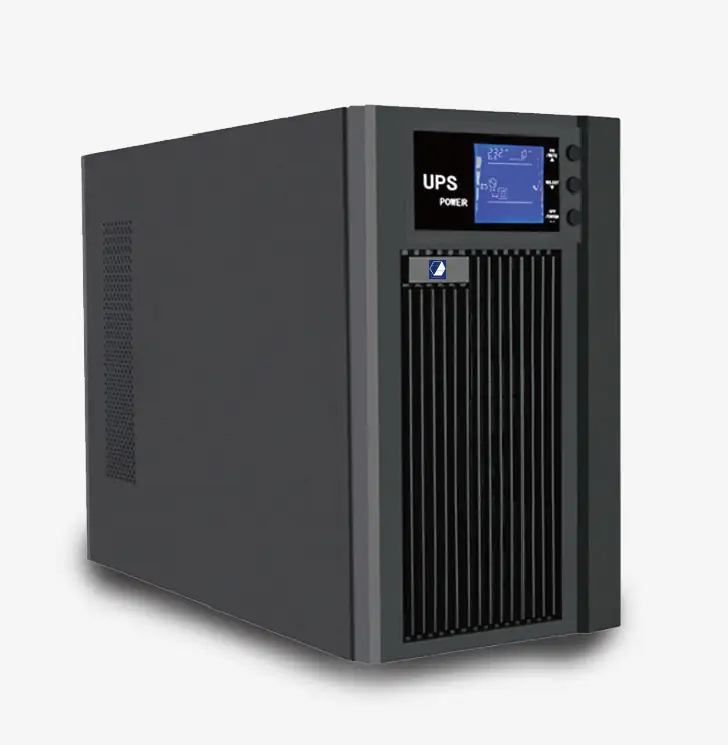
- Related utility options: Generators and UPS equipment selected separately.
Water Purification and Filtration for Glass Processing
SANKEN SKWF equipment covers two water-treatment duties in glass factories: RO treatment for processes requiring higher-quality water, and pressure filtration for wastewater containing glass powder. Select the equipment around the water source, required water quality and production demand.
SKWF-01 is an automatic reverse osmosis water treatment unit. SKWF-750 is a wastewater filter press that separates glass powder from process water. The two machines serve different stages of water management and are configured separately.
Water Treatment and Factory Utility Equipment Views
RO Water Treatment Unit – SKWF-01
SKWF-01 uses reverse osmosis for process-water treatment. It can be selected for Low-E glass washing in insulating glass production, waterjet cutting and other equipment with defined water-quality requirements.
Automatic Operation and Flushing
The unit operates under automatic control and includes an automatic flushing function as part of its treatment arrangement.
Water Shortage and Overpressure Protection
Automatic protection responds to water shortage and overpressure conditions during operation.
Flow and Conductivity Display
Flow and conductivity are displayed automatically, giving operators access to water-system operating information.
| Parameter | SKWF-01 |
|---|---|
| Equipment Type | Reverse osmosis water treatment unit |
| Control | Automatic operation |
| Flushing Function | Automatic flushing |
| Water Shortage Protection | Included |
| Overpressure Protection | Included |
| Flow Monitoring | Automatic display |
| Conductivity Monitoring | Automatic display |
Confirm the required output volume and water quality using the feed-water details and the requirements of the connected machine. The selected RO configuration should match the factory’s process-water demand.
Wastewater Filter Press – SKWF-750
SKWF-750 treats water containing glass powder generated during glass processing. Filter cloths and electrically powered hydraulic pressing separate solids from the wastewater, producing a solid glass-powder cake for collection.
Glass Powder Separation
Pressure filtration retains glass powder in the filter arrangement while separating water from the solids. The collected solid material can then be removed during cleaning.
Process-Water Reuse
Filtered water can be returned to a suitable glass edging water circuit. Match the reuse arrangement to the requirements of the connected process.
| Parameter | SKWF-750 |
|---|---|
| Equipment Type | Glass-processing wastewater filter press |
| Separation Method | Filter cloth and electrically powered hydraulic pressing |
| Glass Powder Storage Volume | 750 L |
| Filtering Capacity | Approx. 8 m³/hour |
| Process Duty | Separation of glass powder from wastewater |
The 750 L storage volume and approximate 8 m³/hour filtering capacity apply to SKWF-750. Actual treatment performance depends on the wastewater characteristics, solids content and operating conditions.
Selecting the Water-Treatment Arrangement
For Process-Water Quality
Select SKWF-01 around the incoming water characteristics, required water quantity and water-quality target of the washer, waterjet system or other connected equipment.
For Glass-Powder Wastewater
Select SKWF-750 around the amount of wastewater, glass-powder concentration, collection arrangement and intended reuse circuit.
For a Factory Water Plan
Plan incoming process-water treatment and wastewater solids separation as separate duties. Choose the required equipment and piping arrangement for each production area.
Water Management Workflows
RO Process-Water Treatment
Feed Water → Selected RO Treatment Arrangement → Treated-Water Supply to the Required Process
Coordinate the treatment unit with incoming water conditions, the required output and the storage or supply arrangement serving the connected equipment.
Wastewater Solids Separation
Glass-Processing Wastewater Collection → Filter Press → Solid Glass-Powder Collection and Separated Water
Plan the filter press with wastewater collection, solid-material removal and the appropriate process-water reuse route. Maintain filter cloths and the pressing system according to the equipment operating procedure.
Related Factory Power Support
Generators and UPS equipment can be selected separately to support factory power requirements. Choose their capacity around the intended loads and the required backup arrangement.
SKG Generator Options
The SKG range includes capacity options from 10 kVA to 1200 kVA. Review the connected loads and the power-support arrangement before selecting the generator.
UPS Options
UPS capacity options range from 1 kVA to 30 kVA. Confirm the equipment to be supported, electrical requirements and required backup duration for the selected configuration.
| Parameter | Generator and UPS Options |
|---|---|
| Generator Range | SKG series |
| Generator Capacity Options | 10, 50, 100, 200, 400, 630, 800 and 1200 kVA |
| UPS Capacity Options | 1, 5, 10, 15, 20 and 30 kVA |
Generator and UPS ratings are expressed in kVA. Select these supporting units separately from the water-treatment equipment.
Factory Layout and Installation Planning
Place the RO unit according to the incoming water supply and the machines receiving treated water. Allow access to the treatment components, instruments and routine maintenance points.
Position the filter press near the wastewater collection arrangement, with access for filter-cloth servicing and removal of the collected glass-powder cake. Coordinate separated-water routing with the selected reuse circuit.
Send the factory drawing, available space, water-system details and utility conditions so we can plan the equipment positions and connections for the selected configuration.
Frequently Asked Questions
What is the difference between SKWF-01 and SKWF-750?
SKWF-01 is an RO process-water treatment unit. SKWF-750 separates glass powder from wastewater using pressure filtration.
Does the 8 m³/hour figure apply to SKWF-01?
The approximate 8 m³/hour filtering capacity applies to SKWF-750. Select the SKWF-01 output around the required process-water demand and feed-water conditions.
What does the 750 L value describe?
It is the glass powder storage volume of SKWF-750.
What processes can use RO water treatment?
Applications include Low-E glass washing, waterjet cutting and other equipment with specified water-quality requirements. Match the treatment configuration to the connected equipment.
What automatic functions does SKWF-01 provide?
Automatic operation, flushing, water shortage protection, overpressure protection, flow display and conductivity display.
Can filtered wastewater be reused?
Water separated by the filter press can be returned to a suitable glass edging circuit. Confirm the reuse requirements for the intended process.
Are the generator and UPS part of the water-treatment unit?
They are separate factory utility options, selected around the loads and power-support requirements of the project.
What information should I send for a quotation?
For RO treatment, send feed-water details, required output and the connected equipment’s water-quality requirements. For pressure filtration, send wastewater volume, solids information and the intended collection and reuse arrangement. Include the factory layout and available utilities.
Plan Your Glass Factory Water Equipment
SANKEN has been exporting glass-processing machinery since 2002. Send us your process-water and wastewater requirements to discuss RO treatment, filter pressing and related factory utility equipment.
SANKEN Glass Machinery is a Guangzhou-based manufacturer and international supplier of glass-processing machinery and complete production-line solutions.
Contact Us
Contact: Dalia Qiu
Tel: +86 15994813914
Landline: +86-20-82347228
Email: sales@sankenglass.com
WhatsApp: +86 15994813914
ADD: No.2, Xinghai Road, Lanhe, Nansha District, Guangzhou City, China. P.C 511480