Please fill out the form below to request a quote or to request more information about us. please be as detailed as possible in your message, and we will get back to you as soon as possible with a response. we're ready to start working on your new project, contact us now to get started.
Exporting glass-processing machinery since 2002, with international project support from planning to installation and training.
The Key Difference Between a Glass Processing Center and a Local Glass Shop
2026-08-20
SANKEN
35
In the ever-evolving world of glass manufacturing and processing, the choice between a high-volume glass processing center and a local glass shop can significantly impact your operations, quality, and efficiency. This article will dissect the key differences, highlighting the advantages of a glass processing center over a traditional local glass shop.
Introduction and Overview
When it comes to glass processing, precision and efficiency are paramount. Modern glass processing centers and local glass shops each have unique attributes that cater to different needs. A glass processing center, equipped with advanced machinery and technology, offers a more robust and flexible solution compared to a local glass shop.
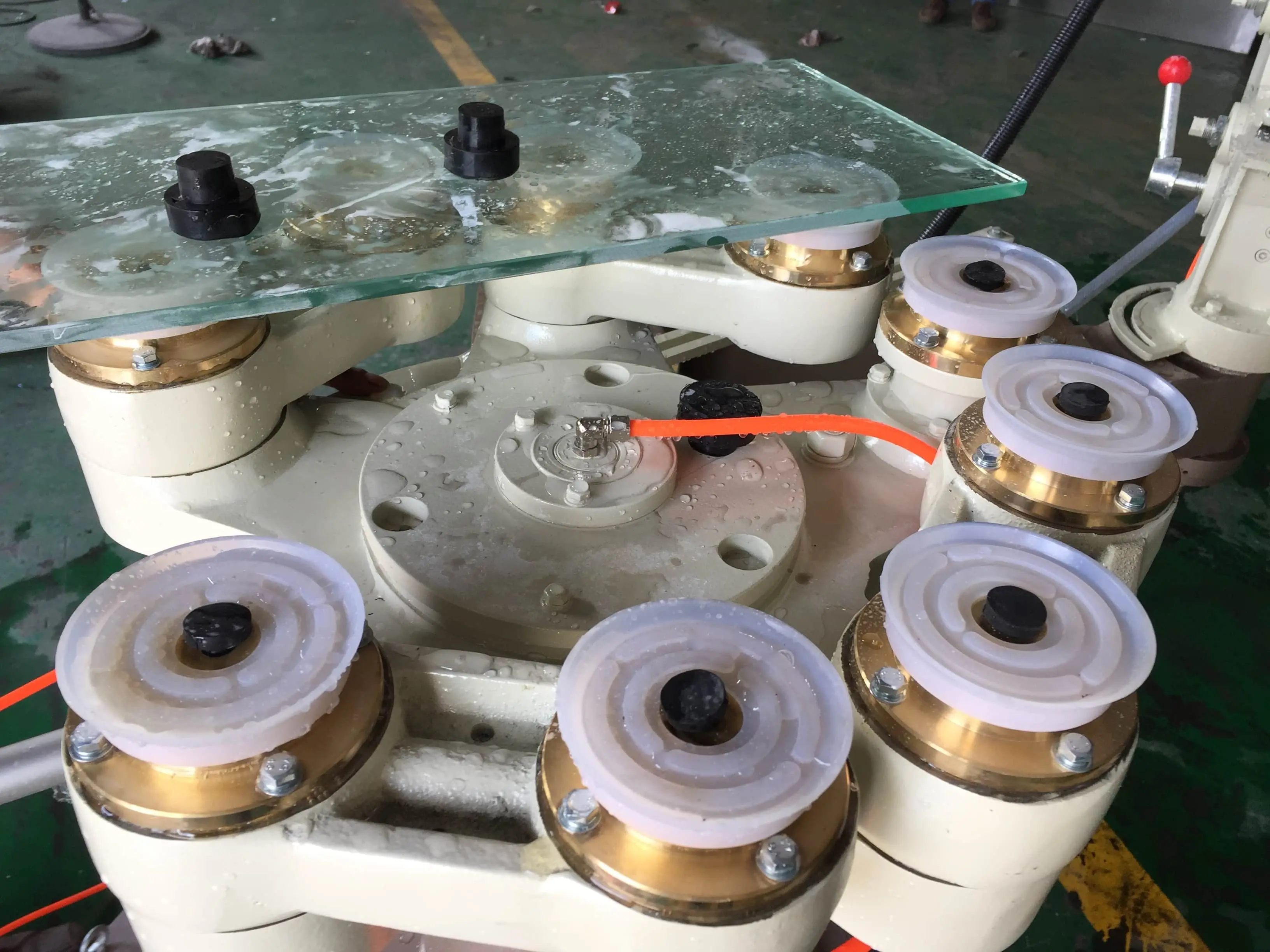
Why Glass Processing is Important
Glass is a versatile material used across numerous industries, from construction and automotive to decorative arts and electronics. It is essential to ensure that glass processing adheres to the highest standards of precision and quality. Glass processing centers are designed to handle large volumes and high accuracy, making them ideal for businesses requiring consistent, high-quality output.
Differences in Equipment and Technology
One of the primary distinctions between a glass processing center and a local glass shop is the type and advanced nature of the machinery used.
Advanced Equipment in Glass Processing Centers
Glass processing centers are equipped with state-of-the-art machines, such as CNC (Computer Numerical Control) systems, which provide unparalleled precision and efficiency. These systems can handle a wide range of tasks seamlessly, including:
- Glass Cutting:
High-volume glass processing centers use advanced CNC systems to cut glass to precise dimensions. Machines such as the SANKEN automated glass cutting machine offer unparalleled accuracy and speed, ensuring that each piece meets the required specifications.
Drilling and Punching:
- Drilling machines can create holes of varying sizes and shapes, essential for manufacturing components that require holes, such as door panels or window frame alignments.
Punching machines are used to create holes in glass for various applications, such as window inserts, furniture parts, or architectural designs.
Edging and Beveling:
Edging and beveling machines are used to grind and polish the edges of glass, enhancing its aesthetic appeal and safety. This process ensures that the edges are smooth, reducing the risk of injury from sharp corners.
Engraving and Sculpting:
- High-end glass processing centers may also offer advanced equipment for engraving and sculpting glass surfaces, adding intricate designs and patterns. These machines can engrave glass surfaces to enhance aesthetics, creating unique and artistic designs.
Basic Equipment in Local Glass Shops
Local glass shops typically rely on manual tools and basic machinery:
- Manual Glass Cutting Tools:
Local shops often use manual glass cutting tools, such as wheeled cutters, which are less precise and require more manual labor. While these tools can be effective for smaller projects, they lack the speed and accuracy of CNC machines.
Basic Drilling and Punching Tools:
Manual drill presses or hand-held drills are commonly used in local shops for hole punching and drilling. These tools provide basic functionality but can be time-consuming and less precise compared to automated systems.
Hand Grinding and Polishing Tools:
- Local shops rely on hand-file tools and manual grinding wheels for edge and surface finishing. These methods are suitable for smaller projects but can be inefficient and inconsistent in larger production volumes.
Advanced Machines and Customization
The advanced machinery in a glass processing center allows for a high degree of customization and flexibility, making it a better choice for high-volume production and complex projects.
SANKEN Automated Glass Cutting Machines
SANKEN's automated glass cutting machines are a prime example of the advanced technology available in glass processing centers. These machines are designed to provide unparalleled precision, speed, and flexibility, making them ideal for various glass cutting applications.
- Precision and Accuracy:
SANKEN machines are equipped with high-precision CNC systems, ensuring that each glass piece is cut to the exact specifications required. The automated nature of these machines reduces the risk of human error, leading to consistent and high-quality output.
Versatility:
SANKEN machines offer a wide range of cutting capabilities, including straight cuts, angle cuts, and complex shapes. This versatility allows for the production of intricate designs and custom pieces, making them suitable for diverse applications in construction, automotive, and decorative arts.
High-Speed Processing:
- The advanced technology in SANKEN machines allows for high-speed processing, ensuring that large volumes of glass can be cut efficiently. This speed
Comprehensive vs. Basic Services
Glass processing centers offer a wide range of services beyond basic cutting and drilling, providing a one-stop solution for all glass-related tasks.
Services Offered by Glass Processing Centers
- Cutting and Drilling:
Glass processing centers provide high-volume cutting and drilling services, equipped with advanced CNC systems for precision and speed.
Polishing and Finishing:
Advanced polishing machines can grind and polish the edges of glass to ensure they are smooth and safe. This process enhances the aesthetic appeal of glass products and reduces the risk of injury.
Engraving and Sculpting:
High-end glass processing centers offer advanced engraving and sculpting capabilities, allowing for intricate designs and patterns. These features make glass processing centers ideal for creating custom and artistic pieces.
Customization and Flexibility:
- The flexibility of advanced glass processing centers allows for customization and adjustment based on specific project requirements. This versatility ensures that each piece meets the desired specifications.
Basic Services Offered by Local Glass Shops
- Manual Cutting and Drilling:
Local shops typically use manual cutting tools and basic drill presses, which are less precise and require more manual labor. While these tools can be effective for smaller projects, they lack the efficiency and accuracy of advanced machinery.
Basic Polishing Tools:
Local shops may have manual grinding and polishing tools, but these methods can be time-consuming and less consistent in large volumes. The manual nature of these processes can lead to inefficiencies and inconsistent quality.
Limited Customization:
- Local glass shops have limited custom capabilities compared to glass processing centers. While they can meet basic cutting and drilling needs, they are often unable to handle complex designs and custom pieces.
Cost and Operational Efficiency
Understanding the cost and operational efficiency of a glass processing center compared to a local glass shop is crucial in making an informed decision.
Operational Efficiency
- High-Volume Processing:
Glass processing centers are optimized for high-volume production, allowing them to process large quantities of glass efficiently. This efficiency reduces processing time and lowers labor costs, making them more cost-effective for large-scale projects.
Automation and Reduced Manual Labor:
The use of advanced machinery and automated systems reduces the need for manual labor, leading to lower labor costs. Additionally, automation ensures consistent and high-quality output, reducing the likelihood of rework and waste.
Precision and Consistency:
- Advanced machines in glass processing centers provide consistent precision, reducing the risk of rework and waste. This consistency ensures that each piece meets the required specifications, leading to higher productivity and efficiency.
Long-Term Cost Savings
- Return on Investment (ROI):
While the initial investment in advanced machinery may be higher, the long-term cost savings and efficiency gains make it a more cost-effective option. High-volume processing centers can significantly reduce labor costs, material waste, and processing time, leading to a better ROI over time.
Sustainability:
- Advanced machinery in glass processing centers often incorporates sustainable practices, such as energy-efficient systems and waste management solutions. These sustainable practices not only reduce operational costs but also align with broader environmental goals.
Conclusion
In summary, a glass processing center offers significant advantages over a local glass shop in terms of equipment, technology, and operational efficiency. Advanced machinery, high-volume processing capabilities, and a wide range of services make glass processing centers the preferred choice for businesses requiring precise, high-quality glass products. Whether for construction, automotive, or decorative arts, a glass processing center provides the flexibility, precision, and efficiency needed to meet diverse production needs.
By understanding the key differences, businesses can make an informed decision that aligns with their specific requirements and long-term goals.
Table of Contents
GET IN TOUCH WITH Us
recommended articles
SANKEN Glass Machinery is a Guangzhou-based manufacturer and international supplier of glass-processing machinery and complete production-line solutions.
Useful Links
Products
Contact Us
Contact: Dalia Qiu
Tel: +86 15994813914
Landline: +86-20-82347228
Email: sales@sankenglass.com
WhatsApp: +86 15994813914
ADD: No.2, Xinghai Road, Lanhe, Nansha District, Guangzhou City, China. P.C 511480
Copyright © 2026 Guangzhou Sanken Glass Machinery Co., Ltd.| Sitemap