Please fill out the form below to request a quote or to request more information about us. please be as detailed as possible in your message, and we will get back to you as soon as possible with a response. we're ready to start working on your new project, contact us now to get started.
Exporting glass-processing machinery since 2002, with international project support from planning to installation and training.
How Quality Control is Maintained in a Top Glass Processing Center
2026-08-02
SANKEN
36
Maintaining quality in glass processing requires meticulous attention to detail and advanced technological solutions. In the industry, top-tier centers like SANKEN stand out for their impeccable standards and innovative approaches to quality control. This article delves into the best practices employed by SANKEN to ensure top-tier accuracy and reliability in their glass processing operations.
Introduction to Quality Control in Glass Processing
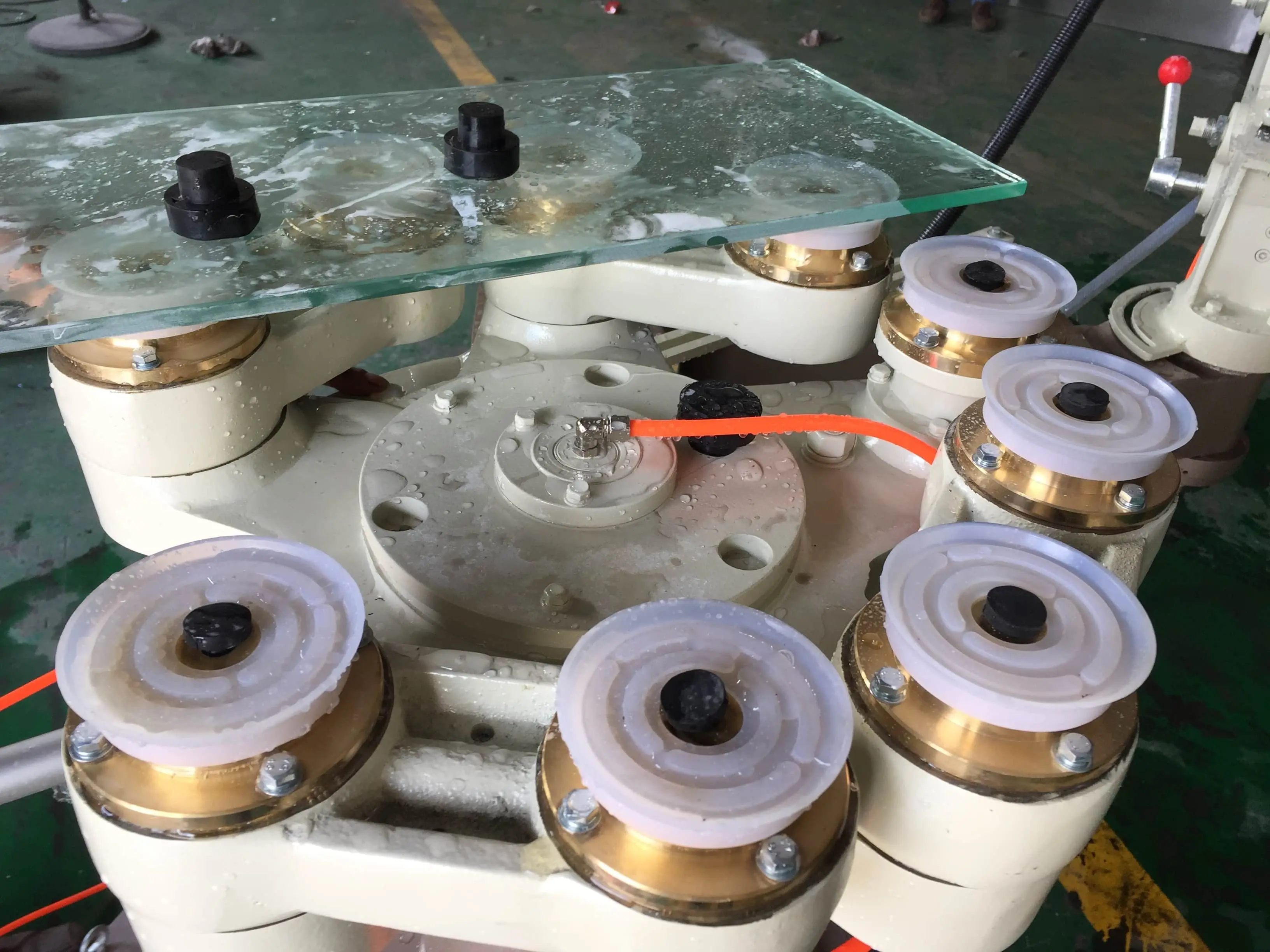
Quality control in glass processing is fundamental to ensuring that final products meet stringent safety and aesthetic requirements. Each component of the glassfrom cutting and grinding to drilling and finishingmust be precise and consistent. For professionals in the industry, high-quality standards are not merely a preference but a necessity. Establishments such as SANKEN commit themselves to providing the highest level of quality assurance to meet or exceed customer expectations.
Importance of Consistent Quality Control Standards
A consistent approach to quality control is crucial because even minor deviations can lead to significant issues in products. For example, if a piece of glass is not properly cut or drilled, it can cause structural instability, impact safety, or reduce aesthetic appeal. Thus, every step of the manufacturing process must be closely monitored for adherence to strict quality control measures.
Key Components of Quality Control in Glass Processing
- Precision Cutting: Ensuring each piece is cut to exact dimensions.
- Advanced Machinery: Utilizing state-of-the-art glass processing machines for high precision.
- Continuous Monitoring: Employing real-time monitoring systems to track operations.
Best Quality Control Practices for Glass Processing Centers
Effective quality control practices are the backbone of reliable and consistent glass production. Here are some best practices adopted by top glass processing centers:
Operator Training and Expertise
- Trained Professionals: Staff are regularly trained on current technologies and operational methods to ensure they are equipped with the knowledge required to perform tasks accurately.
- Certifications: Many centers require operators to have certifications in glass processing techniques and quality control protocols.
Equipment Calibration and Maintenance
- Regular Inspections: All machinery undergoes regular inspections to ensure equipment is in optimal condition. This includes checking that all tools are correctly calibrated and in excellent working order.
- Wear Part Replacement: Timely replacement of worn-out parts to maintain the integrity of the equipment.
Comprehensive Testing and Verification
- Quality Checks: Implementing multiple checkpoints across the production line to test each individual piece for compliance with standards.
- Automated Verification Systems: Employing automated systems to verify dimensions, optical clarity, and edge sharpness.
Data Logging and Analysis
- Digital Record Keeping: Utilizing digital systems to record every aspect of the production process, enabling effective tracking and analysis.
- Real-Time Monitoring: Using software to monitor machine performance and feed data back into the system for continuous improvement.
How SANKEN Maintains Precision Standards in Glass Machine Operations
SANKEN, known as a leader in glass processing machinery, leverages a range of innovative methods to maintain precision standards:
Innovative Technologies and Systems
- Vertical Glass Processing Centers: SANKEN's vertical glass processing centers integrate cutting, drilling, and edging functions efficiently. This reduces the need for manual intervention and ensures multi-functional integration.
- High-Precision CNC Systems: Utilizing CNC (Computer Numerical Control) technology to coordinate movements with extreme accuracy, reducing the risk of human error.
- Automated Control Systems: SANKEN's systems are designed to perform a series of operations simultaneously, increasing efficiency and reducing downtime.
Specific Case Studies
- SANKEN's Vertical Glass Cutting Center: This center is engineered to handle a variety of processing tasks, from precise cutting and drilling to smoothing edges and engraving. It is equipped with a vertical structure, offering enhanced space utilization and operational efficiency.
- Integrated Cleaning Solutions: Advanced vertical glass processing centers often come with cleaning systems that clean the glass during processing, ensuring that the finished product is clean and free of debris.
- Monitoring and Feedback Loops: Real-time monitoring systems track each process, feeding data back into the system to fine-tune operations further.
Case Study Example: SANKEN's Vertical Glass Cutting Center
At SANKEN, the vertical glass cutting center exemplifies precision and consistency. This machine can handle a wide variety of cutting, drilling, and edging tasks. It includes an integrated cleaning system to keep the glass surface pristine during processing. Real-time monitoring enables continuous optimization of machine performance.
Advanced Technologies for Ensuring High Quality in Glass Processing
SANKEN leverages cutting-edge technologies to enhance quality control across all operations:
Use of CNC Technology
- CNC Mechanical Cutting Tables: Score and break systems utilizing CNC technology to achieve precise cuts through automated processes.
- Laser Cutting Technology: Non-contact thermal processes that produce precise and intricate cuts.
High-Precision Industrial Machines
- Industrial Glass Polishing Machines: Advanced and automated systems designed for efficient production, ensuring all glass edges are finely ground and polished.
- Multi-Functional CNC Glass Working Centers: Versatile machines that can drill, mill, and perform various tasks, offering a blend of precision and flexibility.
Automation and Robotics
- Robotic Loading and Handling Systems: These systems reduce manual handling, lowering the risk of human error. Robotic systems equipped with CNC technology can handle tasks like loading glass slabs into machines and unloading finished products, ensuring consistency.
- Intelligent Software Integration: Centralized software solutions like Manufacturing Execution Systems (MES) and Enterprise Resource Planning (ERP) manage the overall production process, coordinating multiple machines for seamless operation.
- Automated Verification Systems: These systems are embedded throughout the production line to automatically verify the dimensions and quality of each piece at various stages, ensuring products meet required specifications.
Quality Control on Every Step
- Pre-Processing Inspections: Initial checks to ensure raw materials meet standards before processing.
- Interim and Final Quality Checks: Multiple checkpoints throughout production to catch deviations early.
Waste Management and Sustainability
Waste Collection Systems: Advanced vertical glass processing centers often feature waste collection systems that efficiently gather glass fragments and dust, promoting effective waste management.
Water Filtration Systems: Water is reused in cooling and cleaning by advanced filtration techniques, reducing consumption and ensuring high-quality cooling.
Conclusion and Future Outlook
Ensuring the highest quality in glass processing is not just about precision; it's a strategic commitment to excellence that has far-reaching benefits. SANKEN stands out as a leader in this field, employing a robust set of best practices and innovative technologies to maintain the highest standards of quality control.
Looking ahead, the industry will likely see further advancements in automation, integration of real-time monitoring, and enhanced data analysis tools. As the market for architectural glass continues to grow, companies will need to stay ahead with cutting-edge solutions that can keep up with evolving demands and standards.
In summary, quality control in glass processing is a critical component of successful operations. SANKEN's commitment to innovation and precision sets the standard for others to follow. By staying at the forefront of technology and adopting advanced quality control measures, SANKEN not only ensures product excellence but also drives forward the industry as a whole.
Table of Contents
GET IN TOUCH WITH Us
recommended articles
SANKEN Glass Machinery is a Guangzhou-based manufacturer and international supplier of glass-processing machinery and complete production-line solutions.
Useful Links
Products
Contact Us
Contact: Dalia Qiu
Tel: +86 15994813914
Landline: +86-20-82347228
Email: sales@sankenglass.com
WhatsApp: +86 15994813914
ADD: No.2, Xinghai Road, Lanhe, Nansha District, Guangzhou City, China. P.C 511480
Copyright © 2026 Guangzhou Sanken Glass Machinery Co., Ltd.| Sitemap