Please fill out the form below to request a quote or to request more information about us. please be as detailed as possible in your message, and we will get back to you as soon as possible with a response. we're ready to start working on your new project, contact us now to get started.
Exporting glass-processing machinery since 2002, with international project support from planning to installation and training.
cnc glass processing center
2026-07-15
SANKEN
33
In today's fast-paced and highly competitive glass processing industry, optimizing workflows can make a significant difference in a company's productivity, efficiency, and profitability. CNC (Computer Numerical Control) glass processing centers are at the forefront of this technological revolution, offering precision and automation that traditional methods simply cannot match. This article will delve into the world of CNC glass processing centers and provide strategies for designing optimal workflows that maximize efficiency, minimize waste, and enhance product quality.
Understanding CNC Glass Processing Centers
What Are CNC Glass Processing Centers?
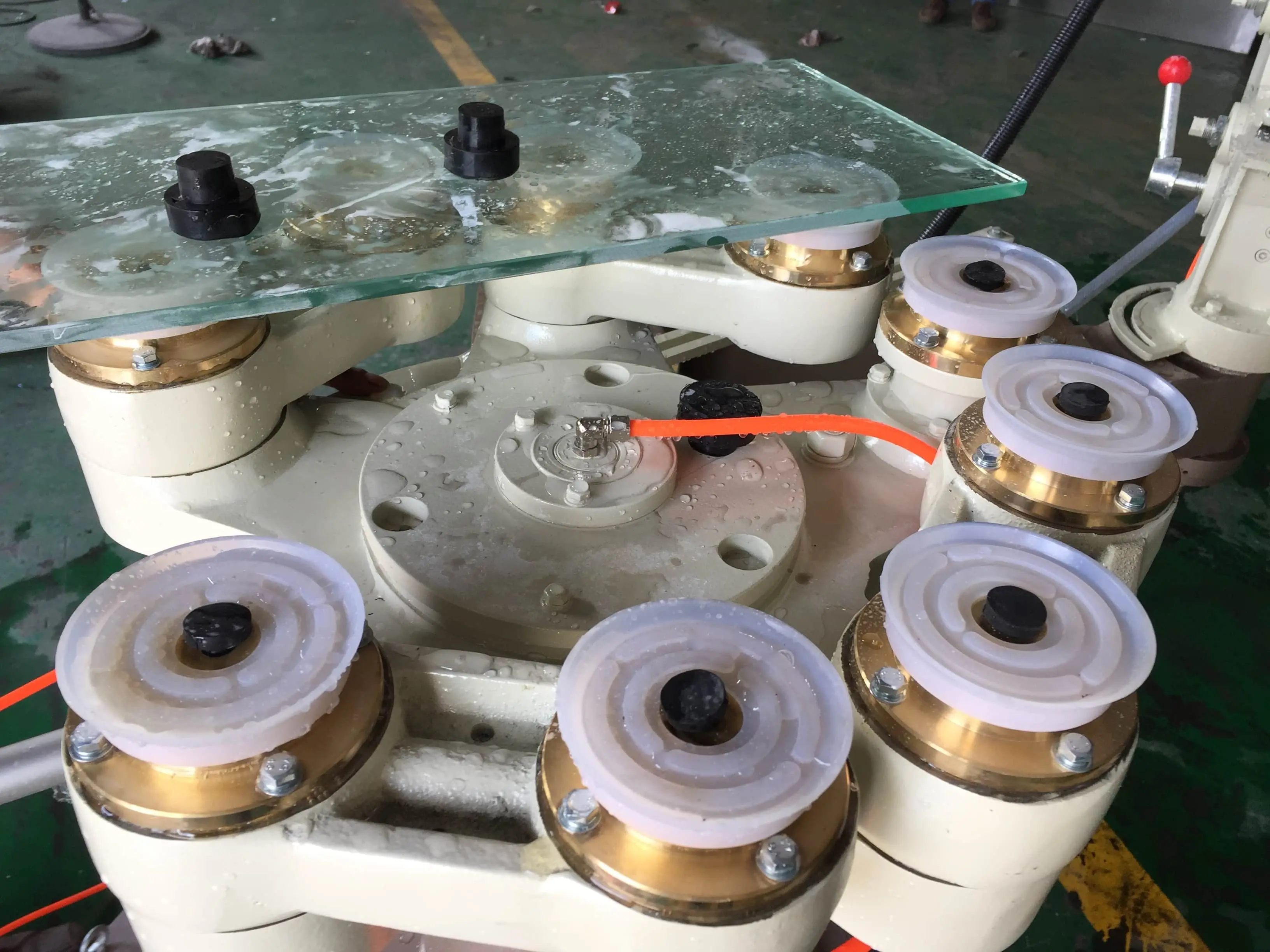
CNC glass processing centers are high-tech devices that revolutionize the manufacturing and processing of glass. These machines combine drilling, milling, engraving, polishing, and beveling into one automated system, significantly enhancing precision and consistency. They are widely used in architectural glass, furniture glass, shower enclosures, appliances, mirrors, and decorative glass projects.
Key Components and Functionalities
Key components of a CNC glass processing center include:
- Machine Bed and Table:
The bed is where the glass is placed for processing, and modern CNC machines often feature precision-controlled tables that can handle a variety of glass types and thicknesses.
Spindles:
Advanced spindles are designed for high-speed, high-precision operations. These spindles can be customized to handle different types of cutting, drilling, or engraving tools.
Software and Control System:
The integrated software and control system allow operators to program and automate complex processes. This includes CAD/CAM programs, which enable users to design and simulate cutting paths before actual processing.
Automation and Robotics:
Advanced systems often include robotic arms, which can handle the loading, unloading, and transportation of glass pieces, reducing manual handling and enhancing process efficiency.
Safety and Downtime Reduction:
- Many CNC glass processing centers include safety features such as emergency stop buttons, laser guidance, and other proprietary safety measures to ensure user safety. These machines also incorporate redundancy systems that can improve uptime and reduce downtime.
History and Evolution
The evolution of CNC glass processing centers has been driven by advancements in precision engineering, innovative software, and increased automation. Early CNC glass machines were primarily focused on drilling and cutting, but modern systems now integrate multiple functionalities, making them more versatile and efficient.
Benefits of CNC Glass Processing Centers
Precision in Cutting and Processing
One of the most significant benefits of CNC glass processing centers is the precision they offer. With precision-controlled movements and advanced software, these machines can achieve cut lines that are straight, clean, and consistent, reducing waste and improving aesthetic appeal.
Time Savings and Cost-Efficiency
Traditional methods of glass cutting, drilling, and polishing often require a skilled workforce and can be time-consuming and labor-intensive. CNC glass processing centers automate these processes, reducing labor costs and increasing throughput times.
Flexibility in Handling Different Glass Types
CNC glass processing centers can handle a wide variety of glass types and thicknesses, making them versatile tools for different applications. This flexibility allows businesses to adapt to changing market demands and customer requirements.
Enhanced Design Capabilities
CNC machines can handle complex designs with ease. The ability to program sophisticated cutting paths and patterns means that designers can create intricate and innovative glass pieces with ease.
Quality Control
The precision and consistency of CNC glass processing centers result in higher quality products. Automated inspection systems can also detect and eliminate defective pieces, enhancing overall product quality.
Optimizing Workflows
Identifying Current Workflows
The first step in optimizing workflows is to identify the current processes in place. This involves documenting every step in the manufacturing or processing workflow, from raw material input to finished product output.
Common Challenges in Glass Processing
Common challenges in glass processing include:
- Manual Handling:
Excessive manual handling can lead to inconsistencies, damage, and inefficiencies. Automating these processes can significantly improve workflow efficiency.
Machine Downtime:
Unexpected downtime can halt production and lead to significant losses. Regular maintenance and proactive troubleshooting can reduce downtime and improve machine efficiency.
Material Waste:
- Inefficient cutting and processing can result in significant material waste. Optimized workflows can reduce waste and improve material utilization.
Steps to Optimize Workflows
- Process Mapping and Analysis:
Create a visual map of the current workflow, identifying bottlenecks and areas for improvement. Use tools like Six Sigma, Lean manufacturing, and Kaizen to analyze and streamline processes.
Technology Integration:
Integrate advanced technology and automation to speed up processes. This can include robotics, machine vision systems, and software applications.
Process Simulation:
Use software tools to simulate potential workflow changes before implementing them. This can help identify potential issues and optimize the implementation.
Data-Driven Decision Making:
- Collect and analyze data to inform decisions. This can include production data, machine utilization rates, and quality control metrics.
Technological Integration
Overview of CNC Machine Technology
Modern CNC glass processing centers utilize advanced technology, including:
- High-Precision Spindles:
High-speed spindles with precision control allow for detailed and intricate designs. These spindles can also be equipped with different tooling to handle various cutting, drilling, and engraving operations.
Automated Systems:
Robotic arms and other automated systems can handle loading, unloading, and transportation of glass pieces, reducing manual handling and increasing efficiency.
Software and Control Systems:
- Integrated CAD/CAM software allows operators to design and simulate cutting paths before processing. Advanced control systems ensure smooth and precise operations.
Benefits of Automation
Automation can bring several benefits, including:
- Increased Efficiency:
Automated systems can work continuously without breaks, increasing overall production capacity.
Reduced Human Error:
Automated systems can minimize human error, ensuring greater consistency and precision in glass processing.
Improved Quality Control:
- Automated inspection systems can detect and eliminate defective pieces, enhancing overall product quality.
Role of Data Analysis in Workflow Optimization
Data analysis can provide valuable insights into workflow efficiency. By monitoring key metrics such as machine utilization, production rates, and quality control metrics, businesses can identify areas for improvement and optimize their workflows.
Case Studies of Successful Technology Integration
Several companies have successfully integrated advanced technology into their workflows, achieving significant improvements in efficiency and quality. For example, a large glass fabrication company in Europe utilized a CNC glass processing center with integrated robotic arms to automate loading and unloading processes. This resulted in a 30% increase in production capacity and reduced labor costs.
Customizing Workflows for Efficiency
Custom Workflow Design
Customized workflow designs can take into account specific process requirements and challenges unique to individual manufacturing environments. This involves:
- Understanding Requirements:
Tailor the workflow to meet specific production needs, such as handling different glass types, thicknesses, and sizes.
Flexibility and Adaptability:
Design workflows that can adapt to changes in production requirements and market demands.
Integration of Diverse Components:
- Ensure seamless integration of different machine systems and tools within the workflow to enhance process efficiency.
Tools and Techniques for Workflow Customization
- Tooling and Fixtures:
Customizable tooling and fixtures can handle various glass types and sizes, providing flexibility and versatility.
Software Customization:
Customize software to fit specific workflow needs, including programming and simulation software for accurate and complex designs.
Training and Support:
- Ensure operators and staff are trained on the custom workflows to maximize efficiency and productivity.
Best Practices in Workflow Optimization
Key Principles of Effective Workflow Optimization
- Standardization:
Establish standardized processes to ensure consistency and efficiency across all operations.
Continuous Improvement:
Implement a culture of continuous improvement, regularly reviewing and updating workflows to adapt to changing needs.
Employee Involvement:
Involve employees in the process of workflow optimization to gain their insights and support.
Regular Maintenance:
- Regular maintenance and servicing of CNC machines ensure they operate at peak efficiency.
Role of Training and Support
Training and support are essential for achieving effective workflow optimization. This includes:
- Operator Training:
Provide comprehensive training for operators to understand and utilize the full capabilities of CNC machines.
Technical Support:
Maintenance and Care for CNC Machines
Proper maintenance and care can significantly extend the life of CNC machines and improve their performance. This includes:
- Routine Servicing:
Schedule regular servicing intervals for key components, such as spindles, motors, and control systems.
Safety Checks:
Conduct regular safety checks to ensure the machine remains safe and reliable.
Preventive Maintenance:
Regular Reviews and Updates
Regular reviews and updates are crucial for continuous improvement. This involves:
- Data Analysis:
Regularly monitor and analyze production data to identify trends and areas for improvement.
Process Audits:
Conduct periodic process audits to assess the effectiveness of existing workflows and identify opportunities for optimization.
Feedback Loops:
- Establish feedback loops with operators and management to ensure the workflow remains aligned with business goals and objectives.
Conclusion
In conclusion, CNC glass processing centers offer unparalleled precision and automation, making them indispensable tools for optimizing workflows in the glass processing industry. By understanding the key components, functionalities, and benefits of CNC machines, businesses can design and implement workflows that maximize efficiency, reduce waste, and enhance product quality.
Implementing these strategies can lead to a more streamlined and effective production process, allowing businesses to meet the demands of a fast-paced and competitive market. With the right approach and continuous improvement, CNC glass processing centers can help businesses achieve their goals and remain at the forefront of the industry.
Table of Contents
GET IN TOUCH WITH Us
recommended articles
SANKEN Glass Machinery is a Guangzhou-based manufacturer and international supplier of glass-processing machinery and complete production-line solutions.
Useful Links
Products
Contact Us
Contact: Dalia Qiu
Tel: +86 15994813914
Landline: +86-20-82347228
Email: sales@sankenglass.com
WhatsApp: +86 15994813914
ADD: No.2, Xinghai Road, Lanhe, Nansha District, Guangzhou City, China. P.C 511480
Copyright © 2026 Guangzhou Sanken Glass Machinery Co., Ltd.| Sitemap