Please fill out the form below to request a quote or to request more information about us. please be as detailed as possible in your message, and we will get back to you as soon as possible with a response. we're ready to start working on your new project, contact us now to get started.
Exporting glass-processing machinery since 2002, with international project support from planning to installation and training.
Optimal Safety Protocols and Best Practices for CNC Glass Processing Centers
2026-07-20
SANKEN
28
CNC glass processing centers play a crucial role in modern manufacturing, providing precision and efficiency in the production of glass components. However, the precision and efficiency of CNC machines also bring unique challenges, particularly in ensuring the safety of the operators and maintaining product quality. This article focuses on optimal safety protocols and best practices for CNC glass processing centers, with a specific emphasis on preventing glass breakage and ensuring comprehensive safety during operation.
Introduction to CNC Glass Processing Centers
Importance of Safety in CNC Glass Processing
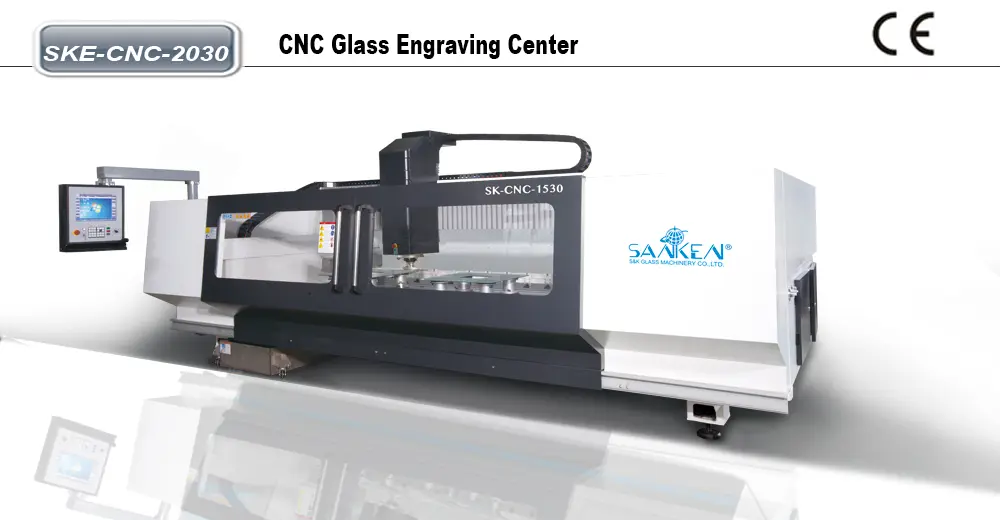
CNC glass processing centers are highly automated and require strict adherence to safety protocols to ensure the safety of the operators and the integrity of the glass components. Any compromise in safety can lead to significant loss of efficiency and potential damage to the machines. Therefore, maintaining high safety standards is essential to ensure safe and efficient operation.
Common Issues with Glass Breakage
Common issues with glass breakage during CNC processing include improper setup of the machine, inadequate clamping, and unexpected impacts. Understanding these issues is crucial for preventing glass breakage and ensuring the longevity of the CNC glass processing center.
Prevention of Glass Breakage During CNC Processing
Causes of Glass Breakage
Several factors contribute to glass breakage during CNC processing:
- Improper Setup: Incorrect calibration or alignment of the machine can lead to imprecise cuts, resulting in fractures and breakage.
- Inadequate Clamping: Loose or improperly clamped glass pieces can shift during processing, leading to unintended movements and breakage.
- Unexpected Impacts: Collisions with other objects or improper handling can cause sudden stresses on the glass, leading to fractures.
Prevention Techniques
To prevent glass breakage during CNC processing, follow these key techniques:
- Thorough Setup Checks: Ensure the machine is properly calibrated and aligned before starting any operation.
- Proper Clamping: Use appropriate clamping devices and apply the necessary force to ensure the glass is securely held in place.
- Regular Inspections: Conduct regular inspections to identify any potential issues with the setup or clamping.
Advanced Safety Measures
Implement advanced safety measures to further reduce the risk of glass breakage:
- Force-Limiting Sensors: Incorporate sensors that monitor the force applied to the glass during processing.
- Accumulator Systems: Use accumulator systems to absorb sudden impacts and reduce the risk of fractures.
- Precision Tools: Utilize precision tools designed specifically for glass processing to minimize the risk of unintended movements.
Safety Training Requirements for SANKEN Glass Machines
Importance of Proper Training
Proper training is essential to ensure that operators are well-versed in the safety protocols and best practices for operating SANKEN glass machines. Training not only enhances the safety of the operators but also improves the longevity of the machines.
Key Training Topics
Key training topics for operators of SANKEN glass machines include:
- Machine Operation: Detailed training on how to operate the machine safely and efficiently.
- Emergency Procedures: Training on emergency shutdown procedures and first aid measures.
- Maintenance and Servicing: Understanding the importance of regular maintenance and servicing to prevent breakdowns.
- Safety Protocols: Learning about the various safety protocols and their importance in preventing accidents and breakage.
Compliance and Certifications
Operators must receive certifications to prove their competency in operating SANKEN glass machines. Certifications should cover machine operation, emergency procedures, and safety protocols. Regular recertification ensures that operators are up-to-date with the latest safety measures and best practices.
Best Practices for Operating CNC Glass Processing Centers
Pre-Processing Checks
Before starting any CNC glass processing operation, ensure a thorough inspection of the machine and the glass components:
- Machine Calibration: Verify that the machine is properly calibrated and aligned.
- Glass Inspection: Inspect the glass components for any cracks or imperfections that could lead to breakage.
- Safety Gear: Ensure all operators are wearing the necessary safety gear, such as safety goggles and gloves.
Machine Maintenance
Regular maintenance of the CNC glass processing machine is essential to ensure its longevity and efficiency:
- Scheduled Servicing: Schedule regular servicing to check and replace worn-out components.
- Component Replacement: Replace worn-out components promptly to prevent unexpected breakdowns.
- Cleanliness: Keep the machine clean and free of debris to prevent any unexpected movements or impacts.
Regular Inspections
Regular inspections are crucial to identify any potential issues before they lead to accidents or machine breakdowns:
- Daily Inspections: Conduct daily inspections to ensure the machine is in good condition.
- Weekly Checklists: Follow a weekly checklist to verify the overall condition of the machine and glass components.
Ensuring Comprehensive Safety in CNC Glass Processing
Ensuring the safety of CNC glass processing centers involves a combination of proper training, regular inspections, and advanced safety measures. By adhering to these best practices, operators of SANKEN glass machines can prevent glass breakage and ensure a safe and efficient working environment. Comprehensive safety protocols not only protect the operators but also enhance the longevity and reliability of the CNC glass processing machines.
Key Takeaways
- Preventative Measures: Regular setup checks, proper clamping, and regular inspections are critical to prevent glass breakage.
- Comprehensive Training: Ensure operators are trained and certified in operating SANKEN glass machines.
- : Regular maintenance and servicing are essential to keep the machine in optimal condition.
Table of Contents
GET IN TOUCH WITH Us
recommended articles
SANKEN Glass Machinery is a Guangzhou-based manufacturer and international supplier of glass-processing machinery and complete production-line solutions.
Useful Links
Products
Contact Us
Contact: Dalia Qiu
Tel: +86 15994813914
Landline: +86-20-82347228
Email: sales@sankenglass.com
WhatsApp: +86 15994813914
ADD: No.2, Xinghai Road, Lanhe, Nansha District, Guangzhou City, China. P.C 511480
Copyright © 2026 Guangzhou Sanken Glass Machinery Co., Ltd.| Sitemap