Please fill out the form below to request a quote or to request more information about us. please be as detailed as possible in your message, and we will get back to you as soon as possible with a response. we're ready to start working on your new project, contact us now to get started.
Exporting glass-processing machinery since 2002, with international project support from planning to installation and training.
Initial Cost vs. Long-Term ROI of a CNC Glass Processing Center
2026-08-01
SANKEN
49
The investment in a CNC glass processing center can significantly transform the glass fabrication industry. This article aims to explore the initial costs and long-term return on investment (ROI) of introducing a CNC glass processing center, specifically the SANKEN CNC glass cutting system. We will analyze the upfront investment, operational expenses, and the potential long-term benefits, making a compelling case for upgrading to this advanced technology.
Initial Cost Considerations
Upfront Machinery Investment
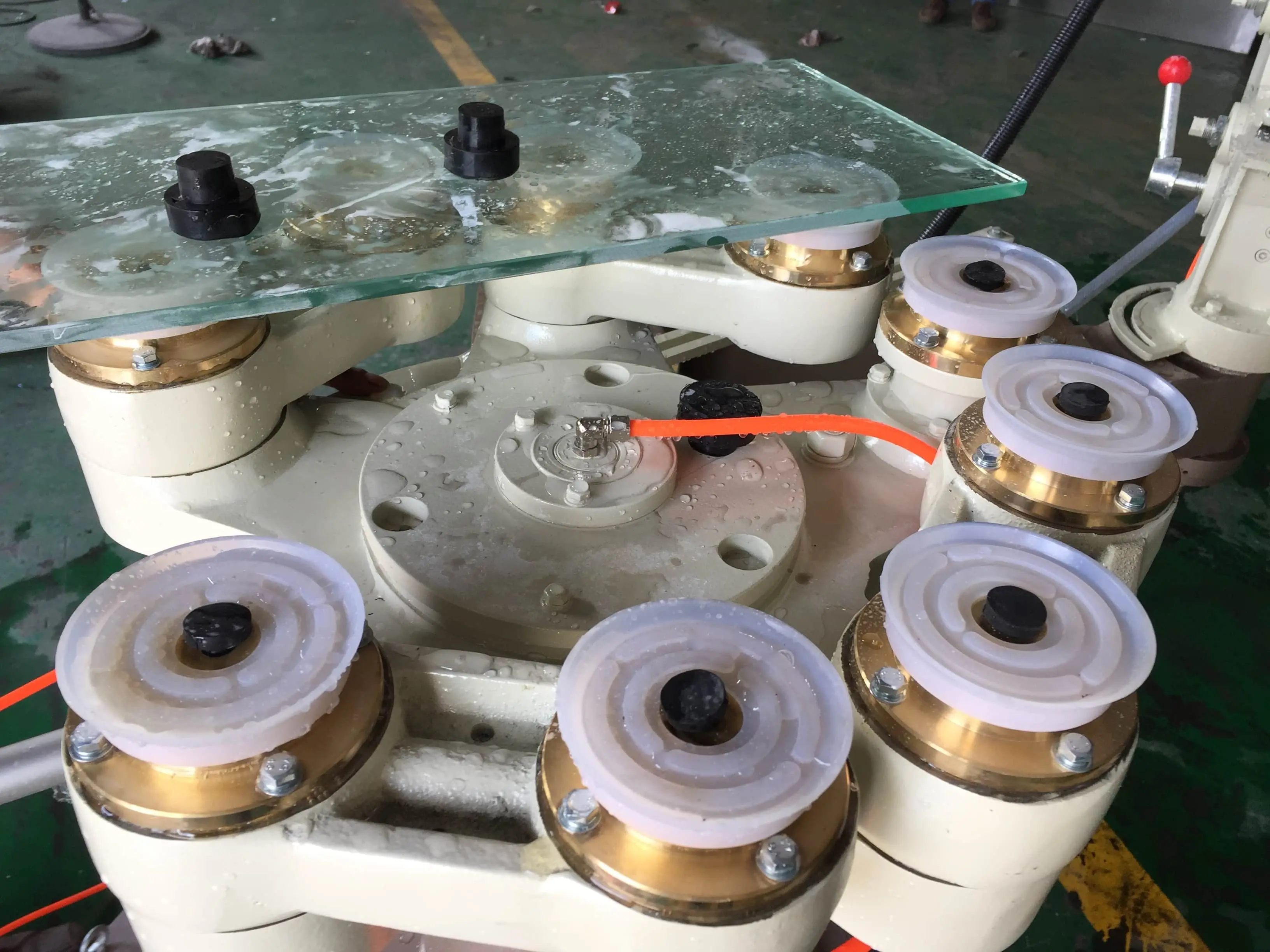
The initial capital outlay for a CNC glass processing center is substantial. High-quality machinery from reputable manufacturers like SANKEN often comes with advanced features and capabilities. A typical CNC glass working center may cost between $50,000 to $200,000 or more, depending on the level of automation and customization required. Factors such as axis configuration, precision, and software integration significantly influence the price.
Installation and Setup Costs
Setting up a new CNC glass processing center involves more than just purchasing the equipment. Additional costs include installation, setup, and calibration. These services ensure that the system operates efficiently and aligns with factory specifications. Various manufacturers provide on-site installation and setup services, which can add to the initial cost but ensure optimal performance.
Software and Training Expenses
Modern CNC systems require sophisticated software to operate seamlessly. Integrated CAD/CAM systems can automate complex designs and reduce manual intervention. Licensing fees for these software packages can range from a few thousand to tens of thousands of dollars, depending on the complexity and features. Additionally, training workers on using the new system is essential. Providing comprehensive training programs to ensure smooth operation can also add to the initial investment.
Operational Expenses
Maintenance and Repairs
Utility Costs
Utility costs, such as electricity, water, and compressed air, are critical considerations. CNC machines are highly energy-efficient, consuming far less power than traditional manual systems. However, the initial setup might involve higher utility costs due to continuous operation and precision control. Table 1 below summarizes the typical utility costs for a CNC glass processing center compared to manual systems.
| Costs | CNC Glass Processing Center | Traditional Manual System |
|---|---|---|
| Electricity | $0.10 per kWh | $0.20 per kWh |
| Water | $50 per month | $100 per month |
| Compressed Air | $50 per month | $75 per month |
| Total Utility Costs | $100 per month | $275 per month |
Labor Costs
Labor costs are a significant component of operational expenses. CNC systems reduce the need for manual labor, lowering hourly wages traditionally associated with glass finishing and cutting tasks. Skilled operators are necessary to run the system, but often fewer employees are required compared to manual processes. The table below highlights the reduction in labor costs with CNC systems.
| Costs | CNC Glass Processing Center | Traditional Manual System |
|---|---|---|
| Operator Salary/Wage | $25 per hour | $40 per hour |
| Overhead Costs | $10 per hour | $20 per hour |
| Total Labor Costs | $35 per hour | $60 per hour |
Long-Term ROI Analysis
Increased Productivity
One of the most significant benefits of a CNC glass processing center is increased productivity. Automated systems can work around the clock, cutting and processing glass with high precision and consistency. This leads to higher output rates, which can significantly boost revenue over the long term. The added capacity allows for handling more orders and producing larger volumes, making it easier to meet market demands.
Reduced Material Waste
Manual processes often result in higher material waste due to inaccuracy and human error. CNC systems are designed to minimize waste with precise cutting and positioning, resulting in lower scrap rates. For instance, a CNC system can improve material utilization by 15-20%, leading to substantial savings on raw materials over the years.
Enhanced Product Quality
CNC machines produce uniform and consistent products, enhancing the quality of finished glass. This ensures higher customer satisfaction and better brand reputation. Consistent quality control measures integrated into the system lead to fewer defects and returns, streamlining the overall production process.
Improved Customer Satisfaction
Higher quality and consistent products translate to improved customer satisfaction. Businesses that can deliver high-quality, precision-cut glass products are more likely to retain customers and attract new ones. This competitive advantage can drive long-term growth and profitability.
Growth Opportunities
Investing in a CNC glass processing center opens up new opportunities for growth. Smaller manufacturers can expand their production capabilities and enter new markets. The ability to handle complex orders and produce specialty glass allows companies to diversify their portfolio and service broader customer segments.
Case Studies
To further illustrate the long-term benefits, let's explore a few case studies where businesses have successfully integrated CNC glass processing centers.
Case Study 1: Regional Glass Processor
A regional glass processor in the Midwest upgraded its facility with a SANKEN CNC glass processing center. The upgrade reduced labor costs by 20% and increased output by 30%. Over three years, the company saw a 40% increase in revenue, largely due to higher production capacity and more consistent product quality.
Case Study 2: Custom Glass Manufacturer
A custom glass manufacturer in Europe invested in a CNC system to handle intricate designs for architectural projects. Within the first year, the company's material utilization improved by 18%, and they saw an additional $150,000 in revenue from enhanced production capacity. The increased efficiency allowed them to expand their client base, including high-profile commercial and residential projects.
Conclusion
Summary
The investment in a CNC glass processing center is a long-term strategic decision with significant benefits. While the upfront costs are substantial, the long-term ROI can be impressive, driven by increased productivity, reduced material waste, enhanced product quality, improved customer satisfaction, and new growth opportunities.
Final Thoughts
Preferably, businesses should choose reputable manufacturers like SANKEN, known for their reliable and advanced CNC systems. These systems offer the best balance of precision, efficiency, and reliability, ensuring a strong return on investment. By carefully evaluating the initial costs and potential long-term benefits, businesses can make informed decisions that lead to sustainable growth and profitability. Investing in CNC technology today can secure a competitive edge in the future.
Table of Contents
- 2.3Labor Costs
- 5.1Summary
GET IN TOUCH WITH Us
recommended articles
SANKEN Glass Machinery is a Guangzhou-based manufacturer and international supplier of glass-processing machinery and complete production-line solutions.
Useful Links
Products
Contact Us
Contact: Dalia Qiu
Tel: +86 15994813914
Landline: +86-20-82347228
Email: sales@sankenglass.com
WhatsApp: +86 15994813914
ADD: No.2, Xinghai Road, Lanhe, Nansha District, Guangzhou City, China. P.C 511480
Copyright © 2026 Guangzhou Sanken Glass Machinery Co., Ltd.| Sitemap