Please fill out the form below to request a quote or to request more information about us. please be as detailed as possible in your message, and we will get back to you as soon as possible with a response. we're ready to start working on your new project, contact us now to get started.
Exporting glass-processing machinery since 2002, with international project support from planning to installation and training.
Why You Need to Understand Tempered Glass Making Machine Cost Before Buying
2026-08-25
SANKEN
48
When it comes to purchasing a tempered glass making machine, costs can vary widely depending on several critical factors. Understanding these cost drivers can help you make an informed decision, optimize your investment, and ensure long-term profitability. This article delves into the intricacies of tempered glass making machines and provides insights into what influences their pricing.
Importance of Understanding the Cost of Tempered Glass Making Machines
Purchasing a glass tempering machine is a significant investment with far-reaching implications. High-quality machines guarantee long-term operational efficiency and consistent glass quality, which are crucial for maintaining a competitive edge in the market. Therefore, it's essential to understand the key factors that determine the cost of a tempered glass making machine.
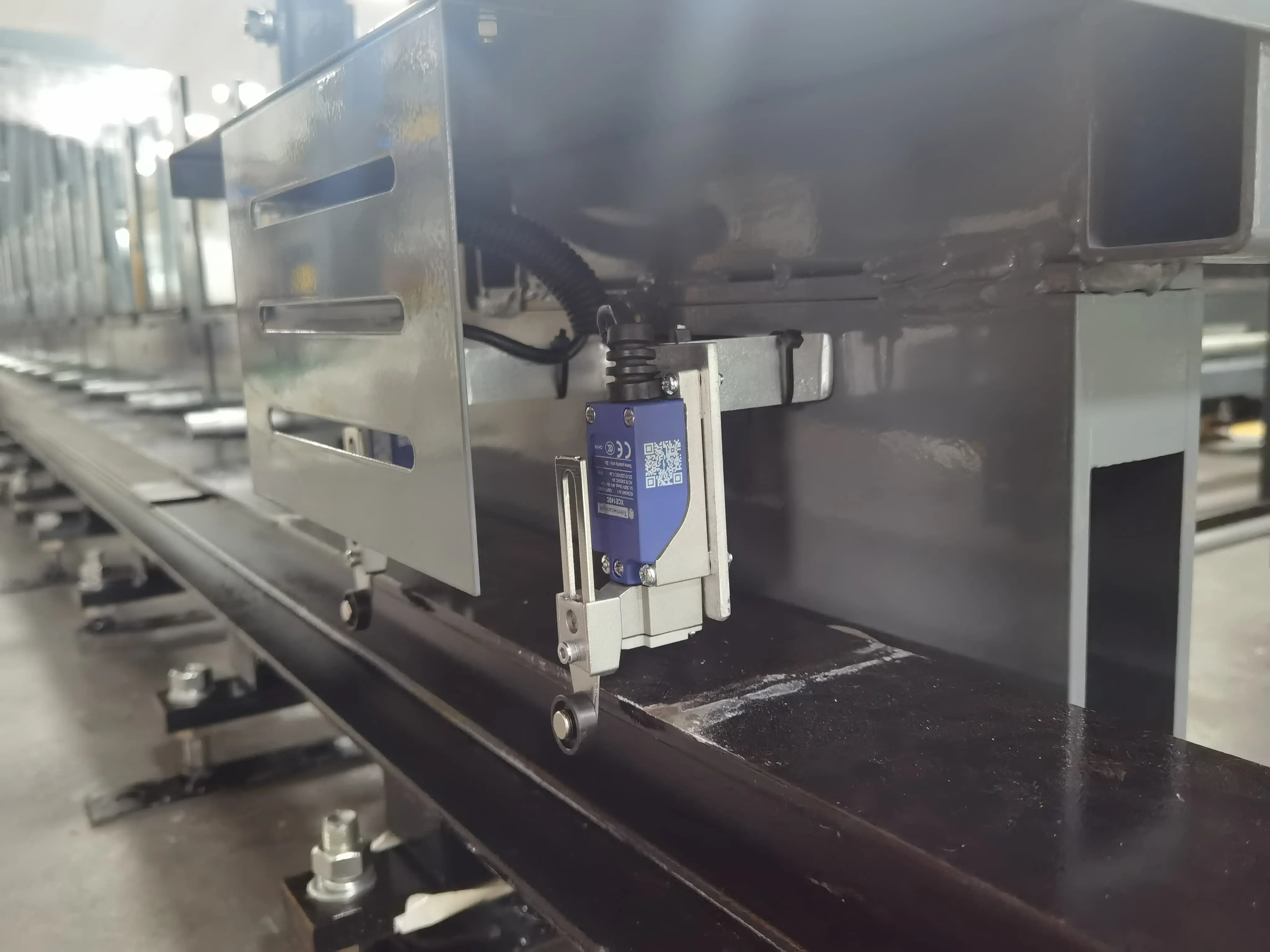
High Standards in Design and Manufacturing
Tempering furnaces must meet rigorous design and manufacturing standards to function effectively and safely. These machines are subject to extremely high temperatures and intense physical stress during operation, necessitating robust structural integrity, heat resistance, and meticulous assembly.
Material Quality and Heat Resistance
High-temperature-resistant structures, specialized insulation materials, and precision-engineered components are integral to a tempering furnace's design. These materials ensure that the machine can withstand prolonged exposure to high temperatures and mechanical stress without degrading in quality. This level of robustness is critical for long-term operation and reliability.
Compliance with International Standards
Tempering furnaces are subject to stringent safety and quality standards set by international regulatory bodies. These standards dictate the materials used, manufacturing procedures, and testing protocols to ensure consistent performance and safety. Meeting these standards increases the complexity of the production process and drives up costs.
Advanced Software and Automation
Operational precision is achieved through advanced software and automated control systems that manage temperature and airflow in real-time. These systems monitor and regulate the heating and cooling processes, ensuring consistent quality throughout the tempering process. The integration of these advanced technological components adds significantly to the machine's overall cost.
Operational Complexity and Technological Integration
Tempered glass making machines are complex systems that integrate multiple subsystems for optimal performance. This intricate design adds further layers of complexity to the manufacturing process, affecting both assembly time and resource requirements.
Large-Scale and Complex Systems
Compared to general industrial equipment, glass tempering furnaces are more elaborate in design and operation. They involve heating elements, cooling systems, conveying mechanisms, and control systems that must work in tandem for consistent quality and reliable performance. The mechanical design and assembly processes are intricate, resulting in longer production cycles and higher resource inputs.
Integrated Heating, Cooling, Conveying, and Control Systems
The integrated systems within a tempering furnace are crucial for maintaining optimal heat profiles and cooling conditions. The heating and cooling systems must deliver precise temperature control to ensure consistent quality, while the conveying systems must manage the glass movement without damaging it. These systems require advanced technology and engineering, contributing to their high costs.
Technological Advancements and Resource Inputs
Technological advancements in glass tempering machines include innovations like convection heating and advanced control systems. These technologies offer improved efficiency and temperature management but come with higher costs due to sophisticated design and manufacturing requirements. The longer production cycles and greater resource inputs associated with these advanced systems further drive up costs.
Key Cost Drivers: What Determines the Price?
Several key factors determine the cost of a tempered glass making machine. Understanding these factors can help you make better purchasing decisions and optimize your investment.
Furnace Type
Different types of furnaces cater to specific applications and have varying costs based on design, capacity, and technological features. For example:
- Flat Glass Tempering Furnace: Ideal for standard flat glass tempering applications like windows and tabletops. These furnaces are optimized for consistent heat control and uniform cooling.
- Bent Glass Tempering Furnace: Specialized for producing bent tempered glass, commonly found in automotive windshields and curved architectural applications. These furnaces integrate the bending and tempering process in a single operation.
- Convection Glass Tempering Furnace: Utilizes advanced convection heating for precise and efficient heat distribution, especially useful for low-emissivity (Low-E) coated glass, which requires uniform temperature control.
Application Field
The intended application of the machinewhether it's for automotive, architectural, or industrial usedetermines its features and capabilities. For instance:
- Automotive Applications: Require precise and consistent quality control, with features like high-speed tempering and specialized software for optimal performance.
- Architectural Applications: Involve a range of sizes and configurations, necessitating adaptable machines with robust cooling systems and precise control over heat profiles.
- Industrial Applications: Need greater capacity and throughput, often with features like advanced automation and energy management to ensure efficiency and productivity.
Furnace Size
The size and capacity of the furnace affect its cost significantly. Larger machines with greater production capacity are more expensive due to the increased materials and integration complexity. Smaller machines may be more cost-effective but might not meet the production demands of larger operations.
Energy Consumption and Efficiency
Energy efficiency is a critical factor in the cost of a tempered glass making machine. Advanced furnaces with high-efficiency systems consume less energy, reducing operating costs over time. Factors like the furnace's insulation quality, heating technology, and cooling system efficiency all play a role in determining energy consumption and cost.
Machine Examples and Pricing (SANKEN Machines)
To provide a clearer understanding, let's look at some specific examples of SANKEN's tempered glass making machines and their cost considerations:
SANKEN Flat Glass Tempering Furnace
- Description: Designed for standard flat glass tempering applications, such as windows and tabletops.
- Size: Available in various sizes to accommodate different production needs.
- Features:
- Precise heat control for consistent temperature profiles.
- Advanced cooling systems for uniform cooling.
- Automated control systems for precise temperature regulation.
- Price Range: Starting at $50,000 to $150,000, depending on capacity and features.
- Advantages:
- Ensures consistent quality and high production efficiency.
- High compatibility with various glass types and thicknesses.
- Advanced automation reduces labor requirements.
SANKEN Bent Glass Tempering Furnace
- Description: Specialized for producing bent tempered glass, ideal for automotive windshields and curved architectural applications.
- Size: Available in various sizes to accommodate different production needs.
- Features:
- Integrated bending and tempering process.
- High-precision bending systems for accurate shaping.
- Advanced cooling systems for uniform cooling.
- Automated control systems for precise temperature regulation.
- Price Range: Starting at $100,000 to $200,000, depending on capacity and features.
- Advantages:
- Flexible bending capabilities for complex shapes.
- Consistent quality control for bent glass production.
- High durability and reliability in demanding applications.
SANKEN Convection Glass Tempering Furnace
- Description: Utilizes advanced convection heating for precise and efficient heat distribution, ideal for low-emissivity (Low-E) coated glass.
- Size: Available in various sizes to accommodate different production needs.
- Features:
- Convection heating for uniform temperature control.
- Advanced cooling systems for uniform cooling.
- Automated control systems for precise temperature regulation.
- Price Range: Starting at $60,000 to $120,000, depending on capacity and features.
- Advantages:
- Ensures uniform temperature control for coated glass.
- High efficiency and precision for consistent quality.
- Advanced automation for streamlined production.
Conclusion
Understanding the cost factors of a tempered glass making machine is crucial for making a well-informed purchasing decision. The combination of high standards in design and manufacturing, operational complexity, and technological integration all contribute to the pricing structure of these machines. Each factorfrom furnace type, application field, size, to energy consumption and efficiencyplays a significant role in determining the overall cost.
By considering these factors, businesses can make a more informed decision that aligns with their production needs and budget, ensuring a better return on investment and long-term operational efficiency.
In summary, the cost of a tempered glass making machine reflects the advanced engineering, technological integration, and robust manufacturing standards that are essential for optimal performance and quality. By understanding these cost drivers, you can choose the right machine that meets your production requirements while maximizing your investment.
Note: The provided pricing ranges are indicative and subject to change based on specific requirements, customization, and market conditions.
Table of Contents
- 4.1Furnace Type
- 4.3Furnace Size
GET IN TOUCH WITH Us
recommended articles
SANKEN Glass Machinery is a Guangzhou-based manufacturer and international supplier of glass-processing machinery and complete production-line solutions.
Useful Links
Products
Contact Us
Contact: Dalia Qiu
Tel: +86 15994813914
Landline: +86-20-82347228
Email: sales@sankenglass.com
WhatsApp: +86 15994813914
ADD: No.2, Xinghai Road, Lanhe, Nansha District, Guangzhou City, China. P.C 511480
Copyright © 2026 Guangzhou Sanken Glass Machinery Co., Ltd.| Sitemap