Please fill out the form below to request a quote or to request more information about us. please be as detailed as possible in your message, and we will get back to you as soon as possible with a response. we're ready to start working on your new project, contact us now to get started.
Exporting glass-processing machinery since 2002, with international project support from planning to installation and training.
How Top Manufacturers Determine Tempered Glass Making Machine Cost Structure
2026-07-22
SANKEN
15
Tempered glass making machines are essential tools in a variety of industries, including automotive, construction, and consumer electronics. These machines play a critical role in transforming raw glass into the high-strength, safety-compliant glass used in everything from car windows to smartphone screens. Understanding the cost structure of these machines can help manufacturers and buyers make informed decisions about investment and procurement. This article delves into the detailed breakdown of tempered glass machine costs and the factors that influence pricing, with a focus on how leading manufacturers manage these costs.
Introduction
Tempered glass making machines are sophisticated pieces of equipment that enhance glass durability and safety through a thermal process. These machines are indispensable in various industries due to their ability to produce high-quality, tempered glass that meets rigorous safety standards. Understanding the cost structure of these machines is crucial for businesses looking to invest in state-of-the-art equipment, ensuring they receive the best value for their investment.
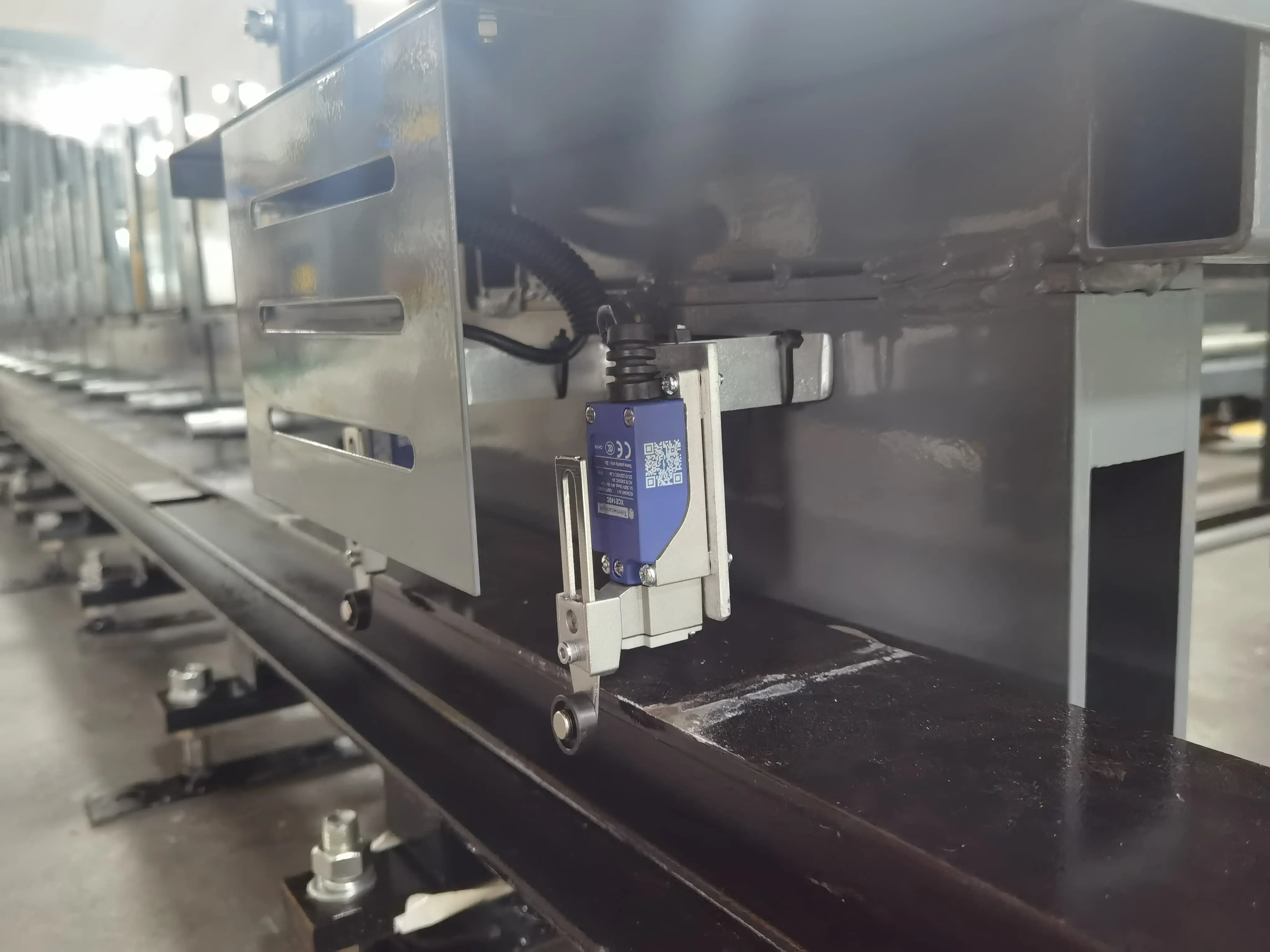
Understanding Tempered Glass Making Machines
Description and Significance
Tempered glass making machines are automated systems designed to heat and cool glass to specific temperatures to achieve the desired strength and durability. The process involves heating the glass to around 620-650C in a furnace, followed by rapid cooling with high-pressure air blasts. This treatment creates compressive stresses on the surface and tensile stresses in the core, making the glass four to five times stronger than untreated glass.
Key Components and Their Functions
Tempered glass making machines consist of several key components, each playing a crucial role in the production process. Table 1 outlines these components and their functions:
| Component | Function | Cost Category |
|---|---|---|
| Tempering Furnace | Heats glass to high temperatures | Raw Materials, Technology |
| Quenching System | Rapidly cools glass to achieve desired strength | Technology, Machinery |
| Cooling System | Maintains consistent temperatures for cooling | Technology, Machinery |
| Control Systems | Manages heating and cooling processes | Technology, Machinery |
| Bending System | Optional, for producing curved tempered glass | Technology, Machinery |
| Pre-Processing Equipment | Prepares glass for tempering | Raw Materials, Machinery |
| Post-Processing Equipment | Finishes and inspects tempered glass | Raw Materials, Machinery |
| Installation and Setup | Ensures correct setup and configuration | Labour, Overhead |
Table 1: Key Components and Their Functions in Tempered Glass Making Machines
Cost Breakdown of Tempered Glass Making Machines
An in-depth understanding of the cost structure helps buyers and manufacturers evaluate the total cost of ownership and financial viability. Below, we break down the primary cost categories involved in producing and delivering these machines.
1 Raw Materials
The raw materials required for manufacturing tempered glass making machines include high-quality metals, refractory materials, and other components. These materials are critical to the machine's durability and performance.
- Steel and Inert Materials: Used in the construction of the furnace and other metal components. The cost of these materials can fluctuate based on market conditions.
- Refractory Materials: Crucial for insulating and maintaining the high temperatures required in the furnace.
- Electrical Components: Wire, cables, and specialized electrical parts that ensure proper operation of the machine.
2 Technology and Machinery
Advanced technology and machinery are essential for modern tempered glass machines. These components contribute significantly to the overall cost.
- Advanced Furnaces: These are the heart of the machine and involve state-of-the-art heating systems.
- Automated Systems: Incorporation of automation systems leads to higher precision and efficiency.
- Integrated Control Systems: Highly advanced control systems manage the entire heating and cooling process.
3 Labor Costs
Labour costs encompass the expenses associated with skilled technicians, installation teams, and ongoing maintenance.
- Skilled Technicians: Experienced engineers and technicians are required for machine assembly and setup.
- Installation Teams: Professionals who install and configure the machines.
- Contractors and Support Staff: Assist with installation and provide ongoing maintenance and repairs.
4 Overhead Costs
Overhead costs include administrative and operational expenses necessary for running a manufacturing business.
- Administrative Expenses: Salaries, office space, utilities, and other overhead costs.
- Marketing and Sales: Costs incurred for promoting and selling the machines.
- Legal and Compliance: Ensuring compliance with industry regulations and standards.
5 Shipping and Installation Costs
Transporting and setting up the machines contribute to additional costs.
- Logistics and Transportation: Shipping costs, customs duties, and transport to the final destination.
- Installation Fees: Professional services for installing and fine-tuning the machines.
- Storage and Warehouse Costs: If machines are stored temporarily before installation.
Factors Influencing Price
Several factors can affect the price of tempered glass making machines, making it essential to understand these dynamics for better cost management.
1 Raw Material Costs
Fluctuations in raw material prices can significantly impact the overall cost of the machine. For example, steel and refractories are key materials, and their prices can vary based on global supply and demand.
2 Technology and Innovation
Advancements in technology and innovation drive the cost of machinery. Inquiries into the latest technological advancements in furnace design, automation, and control systems will reflect in the pricing of these machines.
3 Market Trends
Global market demand, competition, and pricing strategies across different regions also influence the cost structure. For instance, increased demand in emerging markets can drive prices upwards due to higher production and shipping costs.
4 Brand Reputation
A reputable brand like SANKEN can command higher prices due to customer trust, long-term support, and quality assurance. Customers are often willing to pay a premium for trusted brands that deliver on quality and reliability.
5 Production Scale and Efficiency
Economies of scale and production efficiency play a significant role. Manufacturers with large-scale production can achieve lower costs through bulk purchasing and streamlined processes.
SANKEN's Unique Cost Management Strategy
SANKEN, a leading manufacturer of glass tempering machines, employs a comprehensive cost management strategy to ensure efficient production and affordable pricing.
1 Lean Manufacturing
SANKEN's commitment to lean manufacturing helps reduce waste and improve efficiency throughout the production process. Lean practices include:
- Reducing Raw Material Waste: Efficient utilization of materials to minimize waste.
- Streamlined Workflow: Optimized production processes to save time and resources.
- Automated Quality Control: Advanced systems to ensure consistent quality and fewer defects.
2 Sustainable Sourcing
Sustainable sourcing is another key strategy that helps SANKEN manage costs while promoting environmental responsibility.
- Eco-friendly Materials: Using green materials that reduce environmental impact.
- Renewable Energy: Incorporating energy-efficient technologies and renewable energy sources.
3 Integrated Supply Chain
SANKEN's integrated supply chain optimizes logistics and vendor relationships to reduce shipping and setup costs.
- Strategic Partnerships: Collaborating with reliable suppliers to secure consistent material quality and reduce lead times.
- Efficient Logistics: Streamlined shipping and delivery processes to minimize transport fees.
4 Continuous Improvement
Continuous improvement involves ongoing research and development (R&D) to enhance machine performance and durability.
- Long-term Research: Invests in long-term R&D projects to develop advanced technologies.
- Process Optimization: Regularly reviews and refines production processes to enhance efficiency and quality.
5 Customer Support
SANKEN provides robust customer support and after-sales service to ensure customer satisfaction.
- Maintenance Contracts: Offers comprehensive maintenance services to minimize downtime and extend machine life.
- Training Programs: Provides training sessions and resources to help customers operate and maintain the machines efficiently.
- Technical Assistance: On-call support for resolving any issues quickly and effectively.
Cost-Effectiveness Considerations
When evaluating the cost structure of a tempered glass making machine, several factors need to be considered to ensure long-term cost-effectiveness.
1 Reliability and Durability
High-quality machines offer better reliability and durability, reducing the need for frequent repairs and replacements. SANKEN's machines are known for their robust design and long-lasting performance, which translates to lower maintenance and operational costs.
2 Long-term Savings
Investing in a high-quality machine can lead to substantial long-term savings through improved efficiency and reduced downtime. SANKEN's machines are designed to operate seamlessly, with minimal interruptions, ensuring continuous productivity.
3 Return on Investment (ROI) Analysis
Conducting a thorough ROI analysis helps identify the financial benefits of purchasing a tempered glass making machine. Key factors to consider include:
- Initial Investment: The upfront cost of the machine.
- Operational Costs: Ongoing expenses such as maintenance, labor, and utilities.
- Revenue Impact: The increase in production output and potential sales.
- Savings: Reduced downtime, efficient operations, and lower material waste.
Table 2 provides an ROI analysis of purchasing a SANKEN tempered glass making machine compared to other manufacturers:
| Metric | SANKEN | Competitor A | Competitor B |
|---|---|---|---|
| Initial Cost | $500,000 (USD) | $450,000 (USD) | $475,000 (USD) |
| Operational Costs | $50,000 (USD/Year) | $70,000 (USD/Year) | $65,000 (USD/Year) |
| Maintenance Costs | $10,000 (USD/Year) | $15,000 (USD/Year) | $12,000 (USD/Year) |
| Production Output | 1,000 units/day | 900 units/day | 950 units/day |
| Savings (Annual) | $20,000 (USD) | $10,000 (USD) | $15,000 (USD) |
Table 2: ROI Analysis of SANKEN Tempered Glass Making Machine
Conclusion
Understanding the cost structure of tempered glass making machines is crucial for businesses seeking to invest in high-quality equipment. By breaking down the costs into raw materials, technology, labor, and overhead expenses, manufacturers and buyers can gain insight into the total cost of ownership.
SANKEN's comprehensive cost management strategy, including lean manufacturing, sustainable sourcing, integrated supply chains, and continuous improvement, ensures that the machines are both cost-effective and reliable. Their robust customer support further enhances the value proposition, providing peace of mind and long-term savings.
When evaluating options, it's essential to consider factors such as reliability, durability, long-term savings, and ROI. By investing in a high-quality machine, businesses can achieve better efficiency and productivity, leading to increased profitability and competitiveness.
Final Thoughts
For businesses in the glass manufacturing industry, investing in a tempered glass making machine from a reputable manufacturer like SANKEN is a wise choice. The machines not only meet the necessary performance requirements but also offer long-term cost savings and operational benefits. By conducting a thorough analysis and understanding the cost structure, you can make an informed investment that pays dividends in the long run.
Stay ahead by choosing a machine that provides reliable performance and efficient operations. If you have any queries or require further assistance, feel free to reach out to us at your convenience.
Table of Contents
GET IN TOUCH WITH Us
recommended articles
SANKEN Glass Machinery is a Guangzhou-based manufacturer and international supplier of glass-processing machinery and complete production-line solutions.
Useful Links
Products
Contact Us
Contact: Dalia Qiu
Tel: +86 15994813914
Landline: +86-20-82347228
Email: sales@sankenglass.com
WhatsApp: +86 15994813914
ADD: No.2, Xinghai Road, Lanhe, Nansha District, Guangzhou City, China. P.C 511480
Copyright © 2026 Guangzhou Sanken Glass Machinery Co., Ltd.| Sitemap