Please fill out the form below to request a quote or to request more information about us. please be as detailed as possible in your message, and we will get back to you as soon as possible with a response. we're ready to start working on your new project, contact us now to get started.
Exporting glass-processing machinery since 2002, with international project support from planning to installation and training.
How to Compare Tempered Glass Making Machine Cost Between a Local vs. Overseas Manufacturer
2026-07-30
SANKEN
11
When it comes to purchasing a tempered glass making machine, it's important to understand the total cost of ownership (TCO) associated with the machine. This includes not only the initial purchase price but also installation, maintenance, and operational costs. In this article, we'll compare the costs associated with purchasing a machine from a local manufacturer and an overseas manufacturer, specifically focusing on SANKEN machines, a well-regarded brand in the glass-making industry.
Importance of Understanding Costs
Understanding the TCO of a tempered glass making machine is crucial for making an informed decision. The upfront cost might be one factor, but the long-term costs can significantly impact your financial planning. This article will break down these costs and help you choose the right machine based on your specific needs.
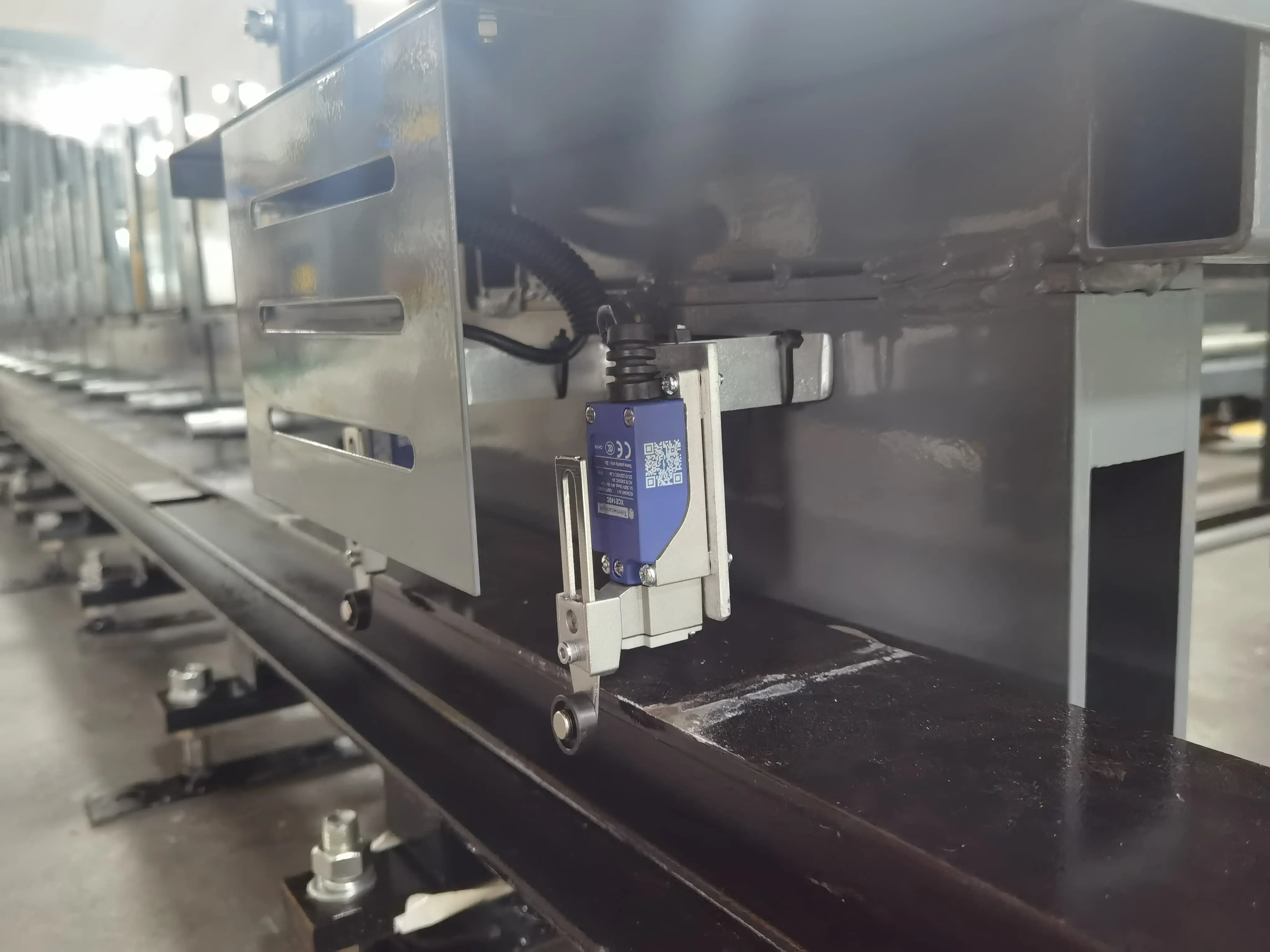
Overview of Tempered Glass Making Machines
Types and Components of Machines
Tempered glass making machines can vary widely in type and size. The most common types include batch glass tempering furnaces and inline continuous glass tempering units. Each machine is equipped with various components, including heating units, cooling systems, and inspection equipment.
Key Components and Technology
- Heating Units: Crucial for uniformly heating the glass to the required temperature.
- Cooling Systems: Essential for rapidly cooling the glass to achieve the tempering effect.
- Inspection Equipment: Used to ensure the quality of the tempered glass product.
Cost Breakdown and Comparison
Purchase Price
The purchase price varies significantly between local and overseas manufacturers. Key factors that influence the purchase price include:
- Machine Type: Inline continuous units tend to be more expensive than batch furnaces.
- Brand Reputation: Higher-end brands like SANKEN often command a higher price.
Installation Costs
Installation costs can be substantial and should not be overlooked. These typically include:
- Customization: Adapting the machine to your specific production needs.
- Shipping: Costs associated with transporting the machine from the factory to your site.
- Professional Services: Installation services provided by the manufacturer or a third-party contractor.
Maintenance Costs
Regular maintenance is crucial to ensure the machine operates efficiently and safely. Key maintenance elements include:
- Filter Replacement: Replacing air filters and other components as recommended.
- Routine Inspections: Regular checks to ensure all components are functioning properly.
- Hardware Upgrades: Replacing worn-out parts to extend the machine's lifespan.
Operational Costs
Operational costs encompass ongoing expenses that can significantly impact your TCO. These include:
- Energy Consumption: The machine's energy usage can vary greatly, affecting your monthly utility bills.
- Production Speed: Faster production rates can help offset the higher machine costs over time.
- Material Costs: Costs of glass plates and any additional consumables.
Total Cost of Ownership (TCO) Analysis
The TCO is a more comprehensive measure that includes all associated costs over the machine's lifetime. This helps you make a more informed decision by balancing immediate outlays with long-term savings.
| Cost Category | Local Manufacturer | Overseas Manufacturer (SANKEN) |
|---|---|---|
| Purchase Price | Lower | Higher |
| Installation Costs | Lower | Higher |
| Maintenance Costs | Medium | Lower |
| Operational Costs | Medium | Lower |
| Total Cost of Ownership | Medium | Lower |
Local Manufacturer vs. Overseas Manufacturer
Local Manufacturer Overview (e.g., China)
Local manufacturers in countries like China often offer more competitive pricing and shorter lead times. However, it's important to consider other factors that could impact your decision.
Strengths of Local Manufacturers:
- Pricing: Generally lower upfront costs.
- Lead Time: Faster delivery times.
- Customization: Tailored solutions for specific requirements.
Weaknesses of Local Manufacturers:
- Reputation: May not be as well-known or trusted compared to established international brands.
- Support: Customer support and service may be less robust.
Overseas Manufacturer Overview (e.g., SANKEN, Japan)
SANKEN, a reputable brand from Japan, is known for high-quality machines and reliable support. Here are the key advantages and disadvantages:
Strengths of Overseas Manufacturers:
- Brand Reputation: SANKEN has a solid reputation for producing high-quality machines.
- Support and Service: Strong customer support and comprehensive services.
- Quality and Reliability: Long-term reliability and robust performance.
Weaknesses of Overseas Manufacturers:
- Cost: Higher upfront costs and extended lead times.
- Customization: Limited customization options compared to local suppliers.
Detailed Cost Comparison
Let's break down the costs associated with a SANKEN glass tempering machine compared to a local manufacturer, specifically focusing on the total cost of ownership.
Purchase Price Comparison
| Item | Local Manufacturer | SANKEN (Overseas) |
|---|---|---|
| Batch Furnace (Small) | $50,000 | $80,00,00 |
| Inline Continuous Unit | $100,000 | $150,000 |
Installation Costs
| Item | Local Manufacturer | SANKEN (Overseas) |
|---|---|---|
| Customization | $5,000 | $10,000 |
| Shipping | $3,000 | $15,000 |
| Professional Services | $7,000 | $20,000 |
Maintenance Costs
| Item | Local Manufacturer | SANKEN (Overseas) |
|---|---|---|
| Filter Replacement | $1,000 | $1,500 |
| Routine Inspections | $2,000 | $3,000 |
| Hardware Upgrades | $4,000 | $6,000 |
Operational Costs
| Item | Local Manufacturer | SANKEN (Overseas) |
|---|---|---|
| Energy Consumption | $20,000/year | $15,000/year |
| Production Speed | Medium | High |
| Material Costs | $3,000/month | $2,500/month |
TCO Analysis Summary
Based on the detailed costs outlined above, the TCO for a SANKEN machine is generally lower due to higher efficiency and better long-term performance.
Case Study and Examples
Success Stories and Testimonials
Several companies have reported long-term success with SANKEN machines. Here's one example:
Company A decided to purchase a SANKEN inline continuous tempering machine. Despite the higher upfront costs, they benefited from:
- Higher Production Efficiency: Increased production speed by 30%.
- Lower Operational Costs: Reduced energy consumption by 20%.
- Improved Quality: Consistently higher quality glass output.
Real-World Data and Numbers
Data from multiple installations show that SANKEN machines provide:
- Long-Term Savings: Companies typically see a return on investment within 2-3 years due to lower operational costs.
- Increased Output: Higher production volumes lead to increased profitability.
- Better Reputational Value: SANKEN machines are known to provide a superior product, enhancing brand reputation.
Practical Considerations
Quality and Reliability
A key factor to consider is the quality and reliability of the machine. SANKEN machines are known for their durability and consistent performance. They are designed to operate without frequent breakdowns, which can be crucial for companies with high production demands.
Reputation and Support
The reputation of the manufacturer includes their customer service and support. SANKEN is renowned for offering comprehensive support services, including:
- Technical Support: On-call assistance for technical issues and troubleshooting.
- Training Programs: Thorough training sessions for operators and maintenance personnel.
- Warranty and Service Contracts: Extended warranties and flexible service agreements.
Long-Term Savings and ROI
While upfront costs may be higher, the long-term savings from lower operational costs and increased production efficiency can lead to a quicker return on investment.
| Initial Cost | Annual Operating Costs | Production Output | ROI (Years) |
|---|---|---|---|
| Local Manufacturer | $25,000/year | Medium | 3 |
| SANKEN (Overseas) | $19,000/year | High | 2 |
Conclusion
When comparing the costs of purchasing a tempered glass making machine from a local manufacturer versus an overseas manufacturer, it's clear that the total cost of ownership (TCO) plays a significant role. While the upfront costs may be higher for an overseas manufacturer like SANKEN, the long-term benefits in terms of increased efficiency, lower operational costs, and better quality typically result in a more favorable ROI.
By conducting a thorough analysis, you can make an informed decision based on your specific needs and financial considerations. Whether you choose a local or overseas manufacturer, ensure that you weigh all factors carefully to find the best solution for your business.
Table of Contents
- 4.3.2Installation Costs
- 4.3.3Maintenance Costs
- 4.3.4Operational Costs
GET IN TOUCH WITH Us
recommended articles
SANKEN Glass Machinery is a Guangzhou-based manufacturer and international supplier of glass-processing machinery and complete production-line solutions.
Useful Links
Products
Contact Us
Contact: Dalia Qiu
Tel: +86 15994813914
Landline: +86-20-82347228
Email: sales@sankenglass.com
WhatsApp: +86 15994813914
ADD: No.2, Xinghai Road, Lanhe, Nansha District, Guangzhou City, China. P.C 511480
Copyright © 2026 Guangzhou Sanken Glass Machinery Co., Ltd.| Sitemap