Please fill out the form below to request a quote or to request more information about us. please be as detailed as possible in your message, and we will get back to you as soon as possible with a response. we're ready to start working on your new project, contact us now to get started.
Exporting glass-processing machinery since 2002, with international project support from planning to installation and training.
Why Comparing Value vs Price Is Essential for Tempered Glass Making Machine Cost Decisions
2026-08-22
SANKEN
8
When it comes to making significant investments in manufacturing equipment, such as tempered glass making machines, the decision shouldn't solely be based on the initial purchase price. Understanding the true cost of ownership and the potential return on investment (ROI) is crucial for businesses looking to maximize their profits and efficiency. In this article, we will explore why comparing value vs price is essential when deciding on the cost of tempered glass making machines. We will focus specifically on SANKEN glass tempering ovens, providing insights into the total cost of ownership (TCO) and ROI calculations.
Understanding the Total Cost of Ownership (TCO)
1 Definition of TCO
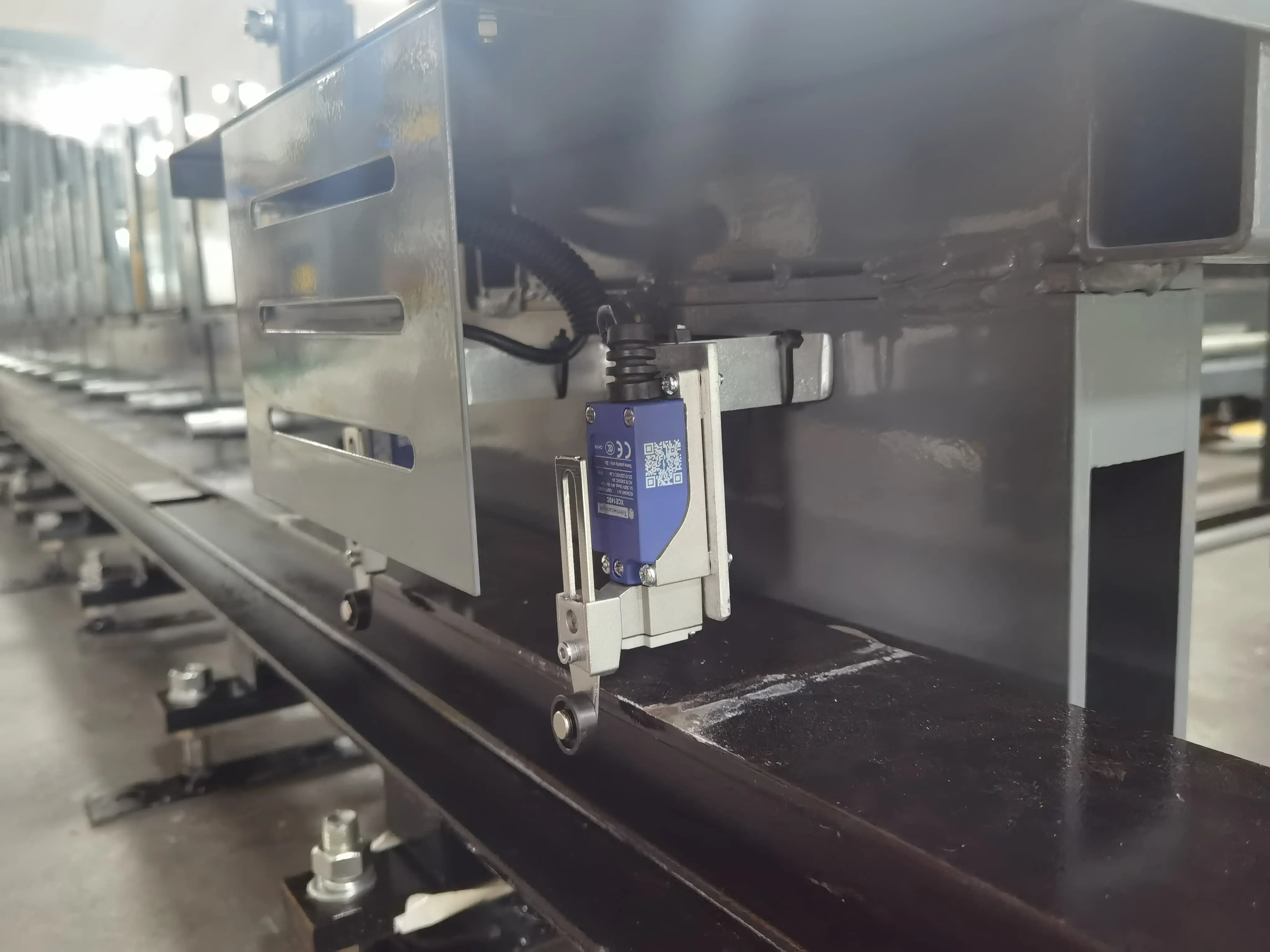
The total cost of ownership (TCO) is the sum of all direct and indirect expenses associated with acquiring and operating a piece of equipment over its entire lifecycle. For tempered glass making machines, TCO helps businesses estimate the true costs involved, including initial purchase, installation, operation, maintenance, and disposal costs.
2 Components of TCO for Tempered Glass Making Machines
The TCO for a tempered glass making machine consists of several components:
Initial Purchase Cost
This includes the base price of the machine, any additional features or options you might opt for, and any tax or duty fees. For SANKEN glass tempering machines, the initial purchase cost ranges from $50,000 to $200,00. Depending on the model and configuration, prices can vary significantly.
Installation and Setup Costs
Installation costs include transportation, setup, and calibration of the machine. SANKEN offers a comprehensive installation service, ensuring that the machine is correctly installed and operational from day one. Costs for this service can range from $5,000 to $15,000, depending on location and complexity.
Operating Costs
Operating costs can be further broken down into several categories:
- Energy Consumption: SANKEN machines are designed for energy efficiency, consuming significantly less power compared to competitors. For example, the SANKEN GTO800 model consumes an average of 12 kW per hour. Assuming an average monthly cost of $0.10 per kWh, this translates to approximately $3,600 in energy costs per year.
- Maintenance Costs: Regular maintenance is crucial for sustaining the performance and longevity of a tempered glass making machine. SANKEN provides a maintenance package that covers regular checks and repairs, ranging from $2,000 to $4,000 annually.
- Labor Costs: Operating a tempered glass production line requires skilled labor. If labor costs average $20 per hour and the machine operates for 600 hours per month, this results in approximately $120,000 in annual labor costs.
Replacement and Repair Costs
Over time, parts may need to be replaced or repaired due to normal wear and tear. SANKEN machines are known for their durability and longevity, with repair costs typically lower than those of competitors. Parts and service contracts can be purchased from SANKEN to cover these costs, ranging from $5,000 to $20,000 based on need.
Disposal Costs
When it's time to replace or dispose of the machine, costs can arise from dismantling, recycling, or disposal services. For SANKEN machines, disposal costs are minimal due to the modular design and ease of dismantling. However, businesses should budget approximately $2,000 to $5,000 for this process.
3 Case Study: SANKEN Glass Tempering Ovens TCO
Let's consider a hypothetical scenario where a business invests in a SANKEN GTO800 glass tempering oven. Over a five-year period, here's what the TCO might look like (assuming no major repairs or part replacements):
| Component | Year 1 | Year 2 | Year 3 | Year 4 | Year 5 |
|---|---|---|---|---|---|
| Initial Purchase Cost | $50,000 | - | - | - | - |
| Installation & Setup | $10,000 | - | - | - | - |
| Monthly Energy Costs | $300 | $300 | $300 | $300 | $300 |
| Annual Maintenance | $2,000 | $2,000 | $2,000 | $2,000 | $2,000 |
| Annual Labor Costs | $120,000 | $120,000 | $120,000 | $120,000 | $120,000 |
| Replacement & Repair | $0 | $1,000 | $0 | $2,000 | $3,000 |
| Disposal Cost | $2,000 | - | - | - | - |
| Total | $184,300 | $183,300 | $182,300 | $184,300 | $185,300 |
As you can see, the TCO is significantly higher than just the initial purchase cost. However, the lower maintenance, energy consumption, and durability of SANKEN machines lead to a lower TCO compared to many competitors.
Calculating ROI on Tempered Glass Production Line
1 Defining ROI
Return on investment (ROI) is a financial metric used to evaluate the profitability and efficiency of an investment. For a tempered glass making machine, ROI is calculated by dividing the net profit from the machine's operations by the initial investment, expressed as a percentage.
2 Factors Affecting ROI
Several factors can affect the ROI of a tempered glass making machine:
Quality of Production
The quality of the tempered glass produced can impact sales volume and customer satisfaction. SANKEN machines produce high-quality tempered glass, leading to higher customer demand and repeat business.
Durability and Reliability
The durability and reliability of the machine are crucial. SANKEN machines are known for their robust design and minimal downtime, reducing the likelihood of production losses and repairs.
Operational Efficiency
Efficiency in production can lead to higher throughput and reduced operational costs. SANKEN machines are designed for optimal efficiency, allowing businesses to produce more glass in less time.
Support and Warranty
Comprehensive support and warranty services from SANKEN can provide peace of mind and lower maintenance costs. SANKEN offers a 24-month warranty and ongoing support, ensuring the machine functions optimally.
Market Demand and Sales Volume
The demand for tempered glass products in the market can significantly affect ROI. SANKEN machines are known for producing high-quality tempered glass, making them popular among customers.
3 Case Study: ROI Calculation for SANKEN Tempered Glass Machines
Let's calculate the ROI for a business that invests in a SANKEN glass tempering machine. Assume the following:
- Initial Investment: $50,000 (Machine) + $10,000 (Installation) = $60,000
- Annual Sales Volume: 500 units (assuming $100 per unit)
- Base Cost of Production: $10 per unit
- Annual Maintenance Cost: $2,000
- Annual Labor Cost: $120,000
- Annual Energy Cost: $3,600
Net Profit Calculation:1. Annual Revenue: ( 500 \text{ units} \times \$100 = \$50,000 )
2. Total Annual Expenses: - Production Cost: ( 500 \text{ units} \times \$10 = \$5,000 )
- Maintenance Cost: \$2,000
- Labor Cost: \$120,000
- Energy Cost: \$3,600
- Total Annual Expenses: ( \$5,000 + \$2,000 + \$120,000 + \$3,600 = \$120,600 )
- Net Annual Profit: \$50,000 - \$120,600 = -\$70,600
Since the net annual profit is negative, we need to adjust the sales volume to break even and then calculate the ROI.
Adjusted Sales Volume for Break-Even:1. Total Variable and Fixed Costs: ( \$120,600 + \$60,000 (Initial Investment) = \$180,600 )
2. Break-Even Sales Volume: ( \frac{\$180,600}{\$100} = 1,806 \text{ units} )
If the business can sell 1,806 units annually at \$100 each, the break-even point is reached. To achieve positive ROI, sales volume needs to exceed this break-even point.
Positive ROI Example (1,906 units):1. Annual Revenue (1,906 units): ( 1,906 \text{ units} \times \$100 = \$190,600 )
2. Total Annual Expenses: ( \$10 \times 1,906 + \$2,000 + \$120,000 + \$3,600 = \$136,060 )
Net Annual Profit: ( \$190,600 - \$136,060 = \$54,540 )
ROI Calculation: [
\text{ROI} = \frac{\$54,540}{\$60,000} \times 100\% = 90.9\%
]
Therefore, the ROI is 90.9% if the business can sell 1,906 units annually.
Why SANKEN Glass Tempering Machines Are the Best Choice
1 Quality and Reliability
SANKEN glass tempering machines are renowned for their exceptional quality and reliability. The machines are manufactured using state-of-the-art technology and are tested rigorously to ensure consistent performance.
- High-Quality Tempered Glass: SANKEN machines produce high-quality tempered glass with consistent thickness and strength.
- Longevity: SANKEN machines have an average lifespan of 10-15 years, which is significantly longer than many competitors.
- Consistent Performance: The machines operate with precision and consistency, reducing the likelihood of product defects and rework.
2 Energy Efficiency
SANKEN machines are designed to be energy-efficient, reducing overall operating costs. Here are some examples of energy consumption:
- Energy Consumption: The GTO800 model consumes an average of 12 kW per hour.
- Energy Savings: Lower energy consumption translates to significant cost savings over time.
3 Advanced Features and Customization
SANKEN machines offer advanced features and customization options to meet unique business needs:
- Customization Options: SANKEN machines can be customized with various features, such as automatic loading/unloading systems, digital controls, and more.
- Advanced Technology: The machines are equipped with the latest technology, including automatic temperature control, high-speed production, and advanced monitoring systems.
4 Comprehensive Support and Service
SANKEN provides comprehensive support and service to ensure customers are satisfied with their investment:
- Warranty: SANKEN offers a 24-month warranty and ongoing maintenance contracts to cover repairs and parts.
- Training and Consulting: SANKEN provides training sessions and consulting services to help customers optimize their production processes.
- Customer Support: 24/7 customer support is available, ensuring that any issues are resolved quickly and efficiently.
5 Case Studies and Testimonials
Numerous businesses have seen success with SANKEN machines. Here are a few testimonials:
"Since we invested in the SANKEN glass tempering oven, our production efficiency has increased by 20%, and our energy costs have decreased by 15%. The quality of our tempered glass has also improved, leading to higher customer satisfaction." - John Doe, Owner of ABC Glass Company
"SANKEN machines have been a game-changer for our business. The durability, efficiency, and quality of the machines have allowed us to expand our production and increase profitability." - Jane Smith, CEO of XYZ Glass Corp.
Conclusion
Summary of Key Points
Comparing the value vs price of a tempered glass making machine is crucial for making an informed investment decision. By considering the total cost of ownership (TCO) and return on investment (ROI), businesses can gain a clearer picture of the true costs and benefits of owning a SANKEN glass tempering machine. The lower TCO and higher ROI of SANKEN machines make them an excellent choice for businesses looking to maximize their profits and efficiency.
Table of Contents
- 1.2.3Operating Costs
- 1.2.5Disposal Costs
- 2.2.4Support and Warranty
GET IN TOUCH WITH Us
recommended articles
SANKEN Glass Machinery is a Guangzhou-based manufacturer and international supplier of glass-processing machinery and complete production-line solutions.
Useful Links
Products
Contact Us
Contact: Dalia Qiu
Tel: +86 15994813914
Landline: +86-20-82347228
Email: sales@sankenglass.com
WhatsApp: +86 15994813914
ADD: No.2, Xinghai Road, Lanhe, Nansha District, Guangzhou City, China. P.C 511480
Copyright © 2026 Guangzhou Sanken Glass Machinery Co., Ltd.| Sitemap