Please fill out the form below to request a quote or to request more information about us. please be as detailed as possible in your message, and we will get back to you as soon as possible with a response. we're ready to start working on your new project, contact us now to get started.
Exporting glass-processing machinery since 2002, with international project support from planning to installation and training.
Industry 4.0 vs. Traditional Control Systems in Glass Making Machinery
2026-09-12
SANKEN
7
Glass making machinery is a critical component in numerous industries, from bottle manufacturing to architectural glass production. The advancement of technology has led to the introduction of Industry 4.0, which aims to enhance the efficiency, quality, and sustainability of manufacturing processes. In this article, we will explore the differences between traditional control systems and Industry 4.0 control systems in glass making machinery, focusing on the benefits and advancements provided by Industry 4.0.
Traditional control systems in glass making machinery have served the industry well for decades, but they come with certain limitations that can hinder productivity and require frequent maintenance. In contrast, Industry 4.0 control systems leverage advanced technologies to provide greater efficiency, automation, and data-driven insights.
Overview of Traditional Control Systems
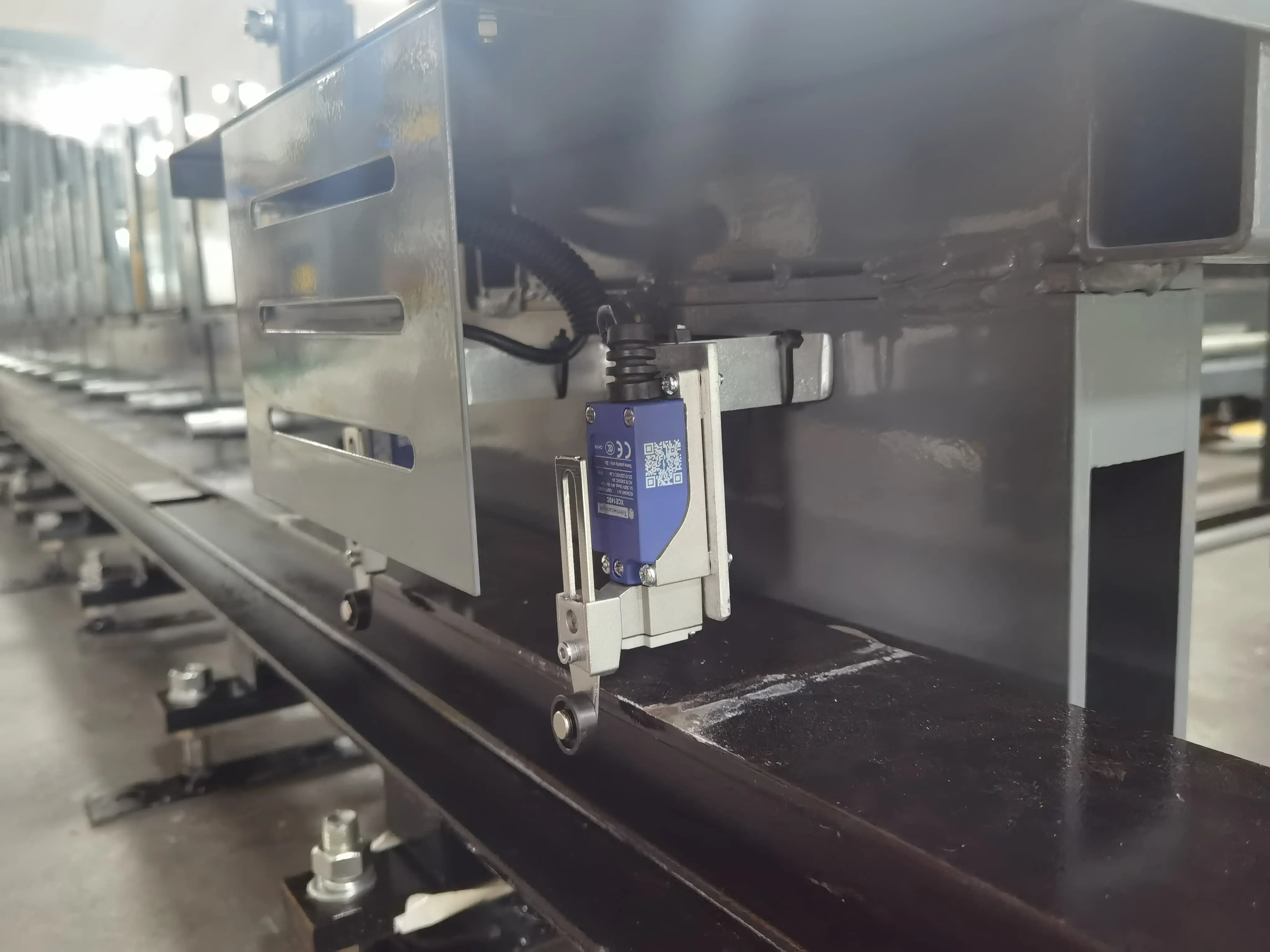
Traditional control systems in glass making machinery are built on tried-and-true technologies that have been in use for many years. These systems typically rely on basic hardware and software components to manage the manufacturing processes. Here are some key aspects and limitations of traditional control systems:
Common Features and Limitations
| Feature | Limitation |
|---|---|
| Basic PLC (Programmable Logic Controller) | Less flexible and adaptable to changes |
| Simple SCADA (Supervisory Control and Data Acquisition) systems | Basic data collection and monitoring capabilities |
| Manual input and control | Higher risk of errors and inefficiencies |
| Local control systems | Restricted to on-site operations |
| Fixed programming | Challenging to modify or upgrade |
While traditional control systems are reliable and have served the industry well, they lack the advanced capabilities offered by Industry .0 systems. In the next section, we will explore what Industry 4.0 brings to the table.
Introduction to Industry 4.0
Industry 4.0, also known as the Fourth Industrial Revolution, leverages advanced technologies such as the Internet of Things (IoT), machine learning, and artificial intelligence to transform manufacturing processes. These technologies enable glass making machinery to be more efficient, adaptive, and data-driven.
Key Technologies and Benefits
| Technology | Benefit |
|---|---|
| IoT and Sensor Networks | Real-time monitoring and predictive maintenance |
| AI and Machine Learning | Automated decision-making and process optimization |
| Data Analytics | Improved production visibility and anomaly detection |
| Cloud Computing | Scalable and remote access to data and systems |
| Augmented Reality (AR) | Enhanced operator assistance and training |
Industry 4.0 technologies provide numerous benefits for the glass making industry, including increased efficiency, improved quality control, and better maintenance practices.
SANKEN Automated Glass Tempering Furnace Control System
SANKEN's automated glass tempering furnace control system exemplifies the advanced capabilities of Industry 4.0 in glass making machinery. This system integrates various technologies to provide superior performance and reliability.
Key Features and Benefits
| Feature | Benefit |
|---|---|
| IoT Integration | Real-time data collection and analytics |
| Cloud Connectivity | Remote monitoring and control |
| Machine Learning Algorithms | Predictive maintenance and automated process optimization |
| Augmented Reality Interfaces | Enhanced operator training and assistance |
| Scalable Design | Easy expansion and integration with other systems |
SANKEN's system offers several advantages over traditional control systems, making it a leading choice for modern glass making operations.
Benefits of Industry 4.0 in Glass Making Machinery
Industry 4.0 technologies have numerous benefits for glass making machinery. These technologies can significantly improve efficiency, quality control, and overall production processes.
Improving Efficiency
Industry 4.0 systems reduce downtime and improve productivity through real-time monitoring, predictive maintenance, and automated process optimization. This ensures that glass making machinery operates at optimal levels, reducing wasted time and resources.
Enhancing Quality Control
With advanced sensors and analytics, Industry 4.0 systems can detect deviations from set standards in real-time. This enables immediate adjustments and ensures consistent quality throughout the production process.
Detailed Data Analytics
Industry 4.0 technologies provide comprehensive data analytics, allowing operators to gain deep insights into production processes. This data can be used to identify inefficiencies, optimize workflows, and improve overall performance.
Comparison Table and Analysis
To better understand the differences between traditional and Industry 4.0 control systems, let's create a comparison table highlighting key features and their impact on production efficiency.
Comparison Table
| Aspect | Traditional Control Systems | Industry 4.0 Control Systems |
|---|---|---|
| Data Collection | Basic data collection and monitoring | Real-time data collection through IoT and sensors |
| Automation | Manual control with limited automation | High levels of automation and AI-driven decision-making |
| Scalability | Fixed configurations, limited scalability | Scalable design and easy integration with other systems |
| Remote Access | Local control systems with limited remote capabilities | Cloud-connected systems allowing remote monitoring and control |
| Maintenance | Predictive maintenance with limited capabilities | Predictive maintenance using advanced analytics and machine learning |
The comparison table clearly shows the advantages of Industry 4.0 control systems in terms of data collection, automation, scalability, remote access, and maintenance. These features collectively enhance efficiency and reduce downtime.
SANKEN's Advantages
SANKEN's automated glass tempering furnace control system stands out due to its advanced integration of IoT, machine learning, and cloud computing. Here's a comparative analysis with traditional systems:
| Aspect | Traditional Control Systems | SANKEN Automated Glass Tempering Furnace Control System |
|---|---|---|
| Data Collection | Limited by basic sensors and SCADA systems | Real-time data collection through IoT and advanced sensors |
| Automation | Manual controls with limited automation | High levels of automation with AI-driven decision-making |
| Maintenance | Predictive maintenance with limited capabilities | Advanced predictive maintenance using machine learning algorithms |
| Scalability | Fixed configurations, limited scalability | Scalable design and easy integration with other systems |
| Remote Access | Local control systems with limited remote capabilities | Cloud-connected systems allowing remote monitoring and control |
SANKEN's system provides superior capabilities in data collection, automation, and predictive maintenance, making it a more advanced and efficient choice.
Conclusion
In conclusion, Industry 4.0 brings numerous advantages over traditional control systems in the glass making industry. Advanced technologies such as IoT, AI, and machine learning have transformed the way glass making machinery operates, leading to increased efficiency, better quality control, and improved maintenance practices.
As the industry continues to evolve, the adoption of Industry 4.0 technologies will likely become increasingly prevalent. SANKEN's automated glass tempering furnace control system represents a cutting-edge solution that leverages these advanced technologies to provide optimal performance and reliability.
In the future, we can expect to see further integration of Industry 4.0 technologies in glass making machinery, leading to even greater improvements in efficiency, quality, and sustainability.
By understanding the key differences and benefits between traditional and Industry 4.0 control systems, glass manufacturers can make informed decisions to enhance their operations and stay competitive in an evolving market.
Table of Contents
GET IN TOUCH WITH Us
recommended articles
SANKEN Glass Machinery is a Guangzhou-based manufacturer and international supplier of glass-processing machinery and complete production-line solutions.
Useful Links
Products
Contact Us
Contact: Dalia Qiu
Tel: +86 15994813914
Landline: +86-20-82347228
Email: sales@sankenglass.com
WhatsApp: +86 15994813914
ADD: No.2, Xinghai Road, Lanhe, Nansha District, Guangzhou City, China. P.C 511480
Copyright © 2026 Guangzhou Sanken Glass Machinery Co., Ltd.| Sitemap