Please fill out the form below to request a quote or to request more information about us. please be as detailed as possible in your message, and we will get back to you as soon as possible with a response. we're ready to start working on your new project, contact us now to get started.
Exporting glass-processing machinery since 2002, with international project support from planning to installation and training.
High-Capacity vs. Compact Glass Making Machinery for Small Businesses
2026-07-23
SANKEN
37
When it comes to glass manufacturing in small businesses, the choice between high-capacity and compact machinery can be a significant decision. Both types of machinery offer distinct advantages, and choosing the right one can determine your production efficiency, cost-effectiveness, and overall business success. This guide will help you understand the key differences between high-capacity and compact glass making machinery and provide insights to make an informed decision.
Introduction
The Choice Dilemma
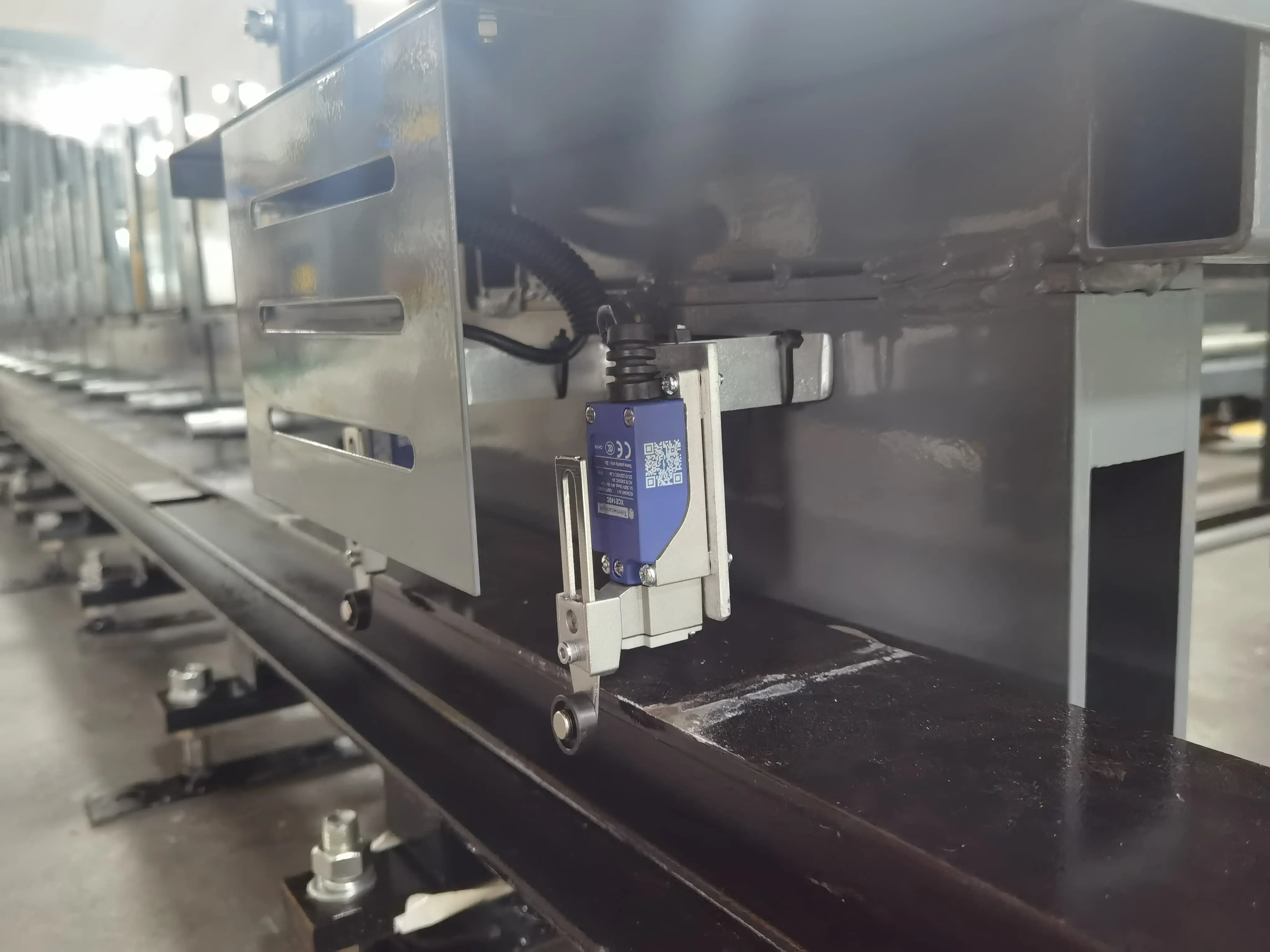
Choosing between high-capacity and compact glass making machinery is a common challenge for small businesses engaged in glass manufacturing. High-capacity machines are designed to handle large-scale production, while compact machines are ideal for smaller operations that require flexibility and precision. Understanding the features and benefits of each can help your business make an informed choice that aligns with your production needs and budget constraints.
Importance in Small Businesses
In small businesses, production efficiency and cost-effectiveness are paramount. High-capacity machines offer rapid production and higher output, while compact machines provide versatility and ease of use. Both types of machinery can significantly impact your business's productivity and profitability. By knowing the technical specifications, costs, and operational considerations, you can choose the right equipment that fits your business needs.
High-Capacity Glass Making Machinery
Definition and Key Features
High-capacity glass making machinery is designed for large-scale production. These machines are engineered to handle high volumes of glass processing tasks such as cutting, grinding, and polishing. SANKEN's high-capacity machines are equipped with advanced technologies and precise controls to optimize production efficiency.
Production Capacity and Efficiency
SANKEN's high-capacity glass making machinery can process a large number of glass sheets in a single pass, making it ideal for businesses requiring significant output. The high-speed processing capabilities ensure rapid production cycles, enabling small businesses to meet high-volume orders efficiently. Additionally, these machines often feature advanced CNC (Computer Numerical Control) systems that allow for precision and consistency in glass processing.
Technical Specifications for SANKEN High-Capacity Machines
SANKEN's high-capacity machines boast several advanced features that enhance production capabilities:
- Cutting Technology: Utilizes precise CNC controls to cut large sheets of glass into specific sizes and shapes.
- Grinding and Polishing: Equipped with diamond abrasives and automated grinding/polishing systems for intricate finishing.
- Drilling and Milling: Capable of precise drilling and milling operations using specialized diamond tools for complex designs.
- Automated Systems: Integrated with software for process management, ensuring high-quality production and minimal manual intervention.
- Safety Features: Robust safety systems, including machine guarding and automated systems, to ensure operator safety.
- Maintenance Requirements: Routine maintenance checks and timely upgrades to ensure optimal performance.
Compact Glass Making Machinery
Definition and Key Features
Compact glass making machinery is designed for small-scale production and flexibility. These machines are ideal for businesses that require precision, versatility, and ease of use. SANKEN's compact machines are built for small workshops but provide robust performance and reliability.
Affordability and Ease of Use
One of the primary advantages of compact machinery is its affordability, making it an attractive option for startups and small businesses with limited capital. SANKEN's compact machines are user-friendly, requiring minimal setup and operation training.
Technical Specifications for SANKEN Compact Machines
SANKEN's compact glass making machinery offers several key features:
- Cutting System: Manual or semi-automatic cutting systems that allow for precise cutting of smaller sheets.
- Polishing and Finishing: Hand-held or benchtop polishers designed for detailed finishing work.
- Drilling Capabilities: Basic drilling machines for small-scale production needs.
- Safety Measures: Built-in safety features such as emergency stops and guardrails.
- Compact Design: Space-saving design to fit small workshops.
- Maintenance Requirements: Routine cleaning and maintenance to ensure consistent performance.
Use Cases for Small Businesses
High-Capacity Use Cases
- Large Volume Orders: Businesses that receive large orders and need high-speed production capabilities.
- Factory Production Lines: Businesses with dedicated production lines for continuous output.
- Custom Manufacturing: Companies that offer custom glass solutions to multiple clients simultaneously.
Compact Use Cases
- Craftsmanship Workshops: Small workshops that focus on custom glass products, such as stained glass, custom frameless shower doors, or furniture.
- Local Glass Shops: Small businesses that cater to local market needs and require precision and flexibility.
- Startups: New businesses that need cost-effective solutions during initial setup phases.
Comparative Analysis
Production Volume
High-capacity machines excel in handling large production volumes. They are designed to process multiple sheets of glass simultaneously, ensuring high-speed production cycles. Compact machines, on the other hand, are suited for smaller volumes but offer higher precision and flexibility.
Cost-Effectiveness
High-capacity machines may have higher upfront costs but offer long-term savings due to their efficiency and high output. Compact machines are more affordable with lower initial investment and maintenance costs, making them suitable for small businesses with limited budgets.
Operational Flexibility
Compact machines are highly versatile and can be easily reconfigured for different tasks. High-capacity machines are designed for continuous production and require more robust setup and maintenance.
Maintenance Considerations
Routine Maintenance for High-Capacity Machines
- Regular Inspections: Conduct routine inspections to ensure all parts are functioning correctly.
- Calibration Checks: Periodic calibration to maintain cutting accuracy and quality.
- Cleaning: Regular cleaning of cutting and polishing systems to prevent buildup and maintain performance.
- Software Updates: Regularly update software to optimize production and machine performance.
Routine Maintenance for Compact Machines
- Manual Inspections: Regular manual checks to identify any wear and tear.
- Cleaning: Routine cleaning to remove dust and debris from the machine parts.
- Tool Replacement: Periodic replacement of cutting tools and blades.
- Safety Checks: Regular reviews of safety features to ensure they are functioning correctly.
Choosing the Right Machinery for Your Small Business
Decision-Making Guide
When selecting the appropriate machinery for your small business, consider the following criteria:
- Budget Constraints: Determine your available budget for new machinery.
- Production Volume: Assess your business's current and projected production requirements.
- Space Availability: Evaluate the available space in your workshop to accommodate different machinery types.
- Skill Levels: Consider the skill levels and training needs of your existing workforce.
- Technical Support: Ensure that the supplier provides ongoing maintenance and technical support.
SANKEN Strengths
SANKEN's glass making machinery offers several advantages:
- Advanced Technology: SANKEN machines are equipped with the latest technologies to ensure precision and high-quality production.
- Comprehensive Support: SANKEN provides extensive technical support, including training, maintenance services, and software updates.
- Competitive Pricing: SANKEN machines are competitively priced and offer excellent value for money.
- Proven Track Record: SANKEN has a proven track record of reliable and durable machinery.
Conclusion
Choosing between high-capacity and compact glass making machinery depends on the specific needs of your small business. High-capacity machines are ideal for large-volume production and require higher initial investments, while compact machines offer flexibility, precision, and lower costs. By understanding the key features and technical specifications of both types of machinery, and considering factors such as budget, production volume, and maintenance requirements, you can make an informed decision that aligns with your business goals.
SANKEN's glass making machinery, whether high-capacity or compact, offers robust performance, advanced technology, and comprehensive support to meet the diverse needs of small businesses. With the right machinery, you can enhance your production capabilities, improve efficiency, and achieve long-term success in the glass manufacturing industry.
Table of Contents
GET IN TOUCH WITH Us
recommended articles
SANKEN Glass Machinery is a Guangzhou-based manufacturer and international supplier of glass-processing machinery and complete production-line solutions.
Useful Links
Products
Contact Us
Contact: Dalia Qiu
Tel: +86 15994813914
Landline: +86-20-82347228
Email: sales@sankenglass.com
WhatsApp: +86 15994813914
ADD: No.2, Xinghai Road, Lanhe, Nansha District, Guangzhou City, China. P.C 511480
Copyright © 2026 Guangzhou Sanken Glass Machinery Co., Ltd.| Sitemap