Please fill out the form below to request a quote or to request more information about us. please be as detailed as possible in your message, and we will get back to you as soon as possible with a response. we're ready to start working on your new project, contact us now to get started.
Exporting glass-processing machinery since 2002, with international project support from planning to installation and training.
How Glass Making Machinery Differs for Bottles vs. Tableware Production
2026-08-26
SANKEN
23
The process of glass production is a complex and intricate one, involving various stages and specialized machinery to create products ranging from glass bottles to tableware. The machinery used to produce these items plays a critical role in determining the quality, efficiency, and cost-effectiveness of the production process. In this article, we will explore the differences between glass making machinery for bottles and tableware production, emphasizing the unique characteristics and applications of each type of machinery.
Introduction
Glass making machinery encompasses a wide range of specialized tools and equipment designed to transform molten glass into finished products. Depending on the end product, whether it's a glass bottle or a piece of tableware, the machinery used can vary significantly in terms of design, function, and performance. By understanding the differences between these machines, manufacturers can optimize their production processes, enhance product quality, and improve overall efficiency.
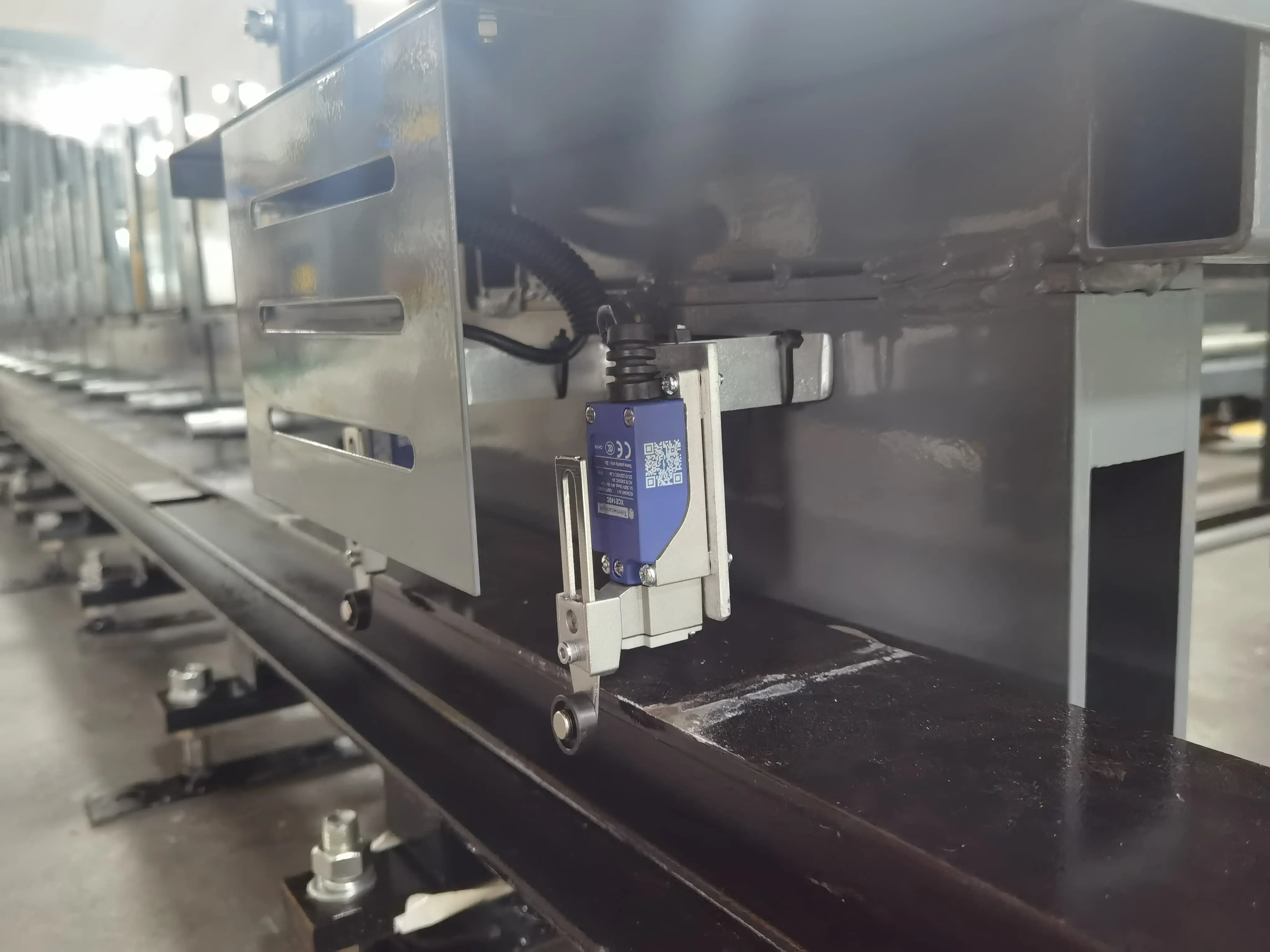
The core of this article is to provide a comprehensive guide on how glass making machinery differs for bottles vs. tableware production, highlighting the unique features and advantages of each. Let's delve into the specifics.
Glass Bottle Production Machinery
Types of Machines Used for Glass Bottle Production
Bottle production involves various stages, including melting, forming, annealing, and finishing. Each stage requires specialized machinery designed to handle the specific tasks involved. The key types of machinery used for glass bottle production include:
Glass Melting Furnace
The process begins with the glass melting furnace, where raw materials such as sand, soda ash, and limestone are melted at temperatures between 1500C and 1800C. The furnace operates continuously, maintaining a constant flow of molten glass to ensure a steady production line. Common types of glass melting furnaces include:
- Regenerative Furnaces: These furnaces use a heat recovery system to improve energy efficiency and reduce operating costs.
- Electric Furnaces: Smaller-scale operations often use electric furnaces, which are more energy-efficient and easier to control.
- Oxygen-Fired Furnaces: These furnaces reduce emissions by burning oxygen instead of air, making them more environmentally friendly.
Forming Machines
Once the molten glass is ready, it must be formed into its final shape. Forming machines are key in this stage, and several types are commonly used:
- High-Speed IS Machine for Glass Bottle Production: This is one of the most advanced forming machines in the industry, designed specifically for high-speed production of glass bottles. The IS (Individual Section) machine works by dividing the molten glass into individual sections, which are then blown into molds individually. This results in consistent bottle sizes and shapes, making the IS machine ideal for large-scale production.
Advantages of High-Speed IS Machines
- High Production Rates: These machines can produce thousands of bottles per hour, making them highly efficient for mass production.
- Consistent Quality: The individual sectioning and blowing process ensures uniformity in bottle sizes and shapes.
- Low Energy Consumption: The efficiency of the IS machine reduces energy consumption, making it a cost-effective option for manufacturers.
- Customizable Designs: The IS machine can be customized to produce a wide range of bottle designs, from simple soda bottles to intricate shapes like perfume bottles.
Glass Tableware Production Machinery
Types of Machines Used for Glass Tableware Production
Tableware production, such as glasses, bowls, and vases, requires machinery that can handle the delicate and precise forming of intricate shapes. The machines used for tableware production are often more sophisticated and operate at slower speeds to ensure precision.
Precision Press-and-Blow Equipment
Precision press-and-blow equipment is one of the most common types of machinery used in tableware production. This process involves pressing molten glass into a mold using a plunger, then blowing the glass to the final shape. These machines are designed to produce high-quality, uniform pieces with intricate designs.
Advantages of Precision Press-and-Blow Equipment
- High Precision: The precision press-and-blow equipment ensures that each piece is uniform and meets the specified design requirements.
- Versatility: These machines can produce a wide range of shapes and sizes, from simple glasses to complex decorative pieces.
- Reliability: The use of molds and precise control over the blowing process results in consistent quality throughout production.
- Customization: The equipment can be adjusted to produce unique designs, making it ideal for custom orders and special requests.
Comparison Table
To better understand the differences between machinery used for bottles and tableware production, let's compare the key features and advantages of each type of machine.
| Feature | Glass Bottle Production Machinery | Glass Tableware Production Machinery |
|---|---|---|
| Primary Machine Type | High-Speed IS Machine | Precision Press-and-Blow Equipment |
| Primary Task | Forming and shaping bottles | Forming and shaping tableware |
| Production Speed | High-speed production | Slower, more precise production |
| Precision | Lower precision, uniformity | High precision, custom designs |
| Energy Consumption | Low energy consumption, cost-effective | Moderate energy consumption, but customizable |
| Design Customization | Limited customization | High customization options |
Challenges and Solutions
In glass making, various challenges arise during production that can affect efficiency, quality, and cost. Understanding these challenges and the solutions provided by specific machinery can help manufacturers optimize their processes.
Challenges in Glass Bottle Production
- Wear and Tear on Machines: High-speed IS machines endure significant wear and tear, requiring regular maintenance and replacement of parts.
- Energy Consumption: Maintaining high production rates can lead to high energy consumption.
- Quality Control: Ensuring consistent bottle quality can be challenging with high-speed production.
Solutions:
- Regular Maintenance: Scheduled maintenance can extend the life of IS machines and reduce downtime.
- Energy-Efficient Technologies: Upgrading to newer, more energy-efficient models can reduce operating costs.
- Advanced Quality Control: Incorporating advanced quality control systems can help maintain consistent quality.
Challenges in Glass Tableware Production
- Maintaining Consistency: Precision press-and-blow equipment requires careful control to maintain consistency in each piece.
- Customization Needs: Adapting to custom designs and specifications can be time-consuming and costly.
- High Precisions: Ensuring the highest level of precision in every piece can be challenging.
Solutions:
- Advanced Molding Technologies: Utilizing advanced molding technologies can improve consistency and reduce errors.
- Automation and Robotics: Implementing automation and robotics can streamline the customization process, reducing labor costs and improving accuracy.
- Regular Equipment Calibration: Regular calibration and adjustments of the press-and-blow equipment ensure precision and maintain high-quality standards.
Conclusion
In the world of glass production, the machinery used for bottle and tableware production plays a crucial role in determining the quality, efficiency, and cost-effectiveness of the finished products. High-speed IS machines are ideal for the volume and consistency required in bottle production, while precision press-and-blow equipment is necessary for the detailed and intricate designs of tableware.
Understanding the differences between these machines and their specific applications can help manufacturers make informed decisions about their production processes. By choosing the right machinery, manufacturers can optimize their operations, enhance product quality, and increase overall efficiency.
At SANKEN, we specialize in providing high-quality glass making machinery that meets the needs of various production processes. Our machines not only meet industry standards but also offer advanced features and technologies to ensure consistency, precision, and efficiency. Whether you're producing glass bottles or tableware, SANKEN's machinery can provide the solution you need.
Table of Contents
- 2.1.2Forming Machines
GET IN TOUCH WITH Us
recommended articles
SANKEN Glass Machinery is a Guangzhou-based manufacturer and international supplier of glass-processing machinery and complete production-line solutions.
Useful Links
Products
Contact Us
Contact: Dalia Qiu
Tel: +86 15994813914
Landline: +86-20-82347228
Email: sales@sankenglass.com
WhatsApp: +86 15994813914
ADD: No.2, Xinghai Road, Lanhe, Nansha District, Guangzhou City, China. P.C 511480
Copyright © 2026 Guangzhou Sanken Glass Machinery Co., Ltd.| Sitemap