Please fill out the form below to request a quote or to request more information about us. please be as detailed as possible in your message, and we will get back to you as soon as possible with a response. we're ready to start working on your new project, contact us now to get started.
Exporting glass-processing machinery since 2002, with international project support from planning to installation and training.
Batch vs. Continuous Melting Furnaces in Glass Making Machinery
2026-08-22
SANKEN
31
Glass making machinery is a vital part of the manufacturing process for various applications, from consumer goods to industrial components. Choosing the right type of melting furnace can significantly impact the efficiency, cost, and quality of glass production. This article compares batch and continuous melting furnaces to help you make an informed decision.
Understanding the Basics of Glass Melting Furnaces
Glass melting furnaces are used to produce molten glass from raw materials. These furnaces provide the necessary heat to convert solid materials into glass in a controlled environment. The two primary types of glass melting furnaces are batch and continuous furnaces. Understanding the differences between these types is crucial for selecting the right equipment for your glass making needs.
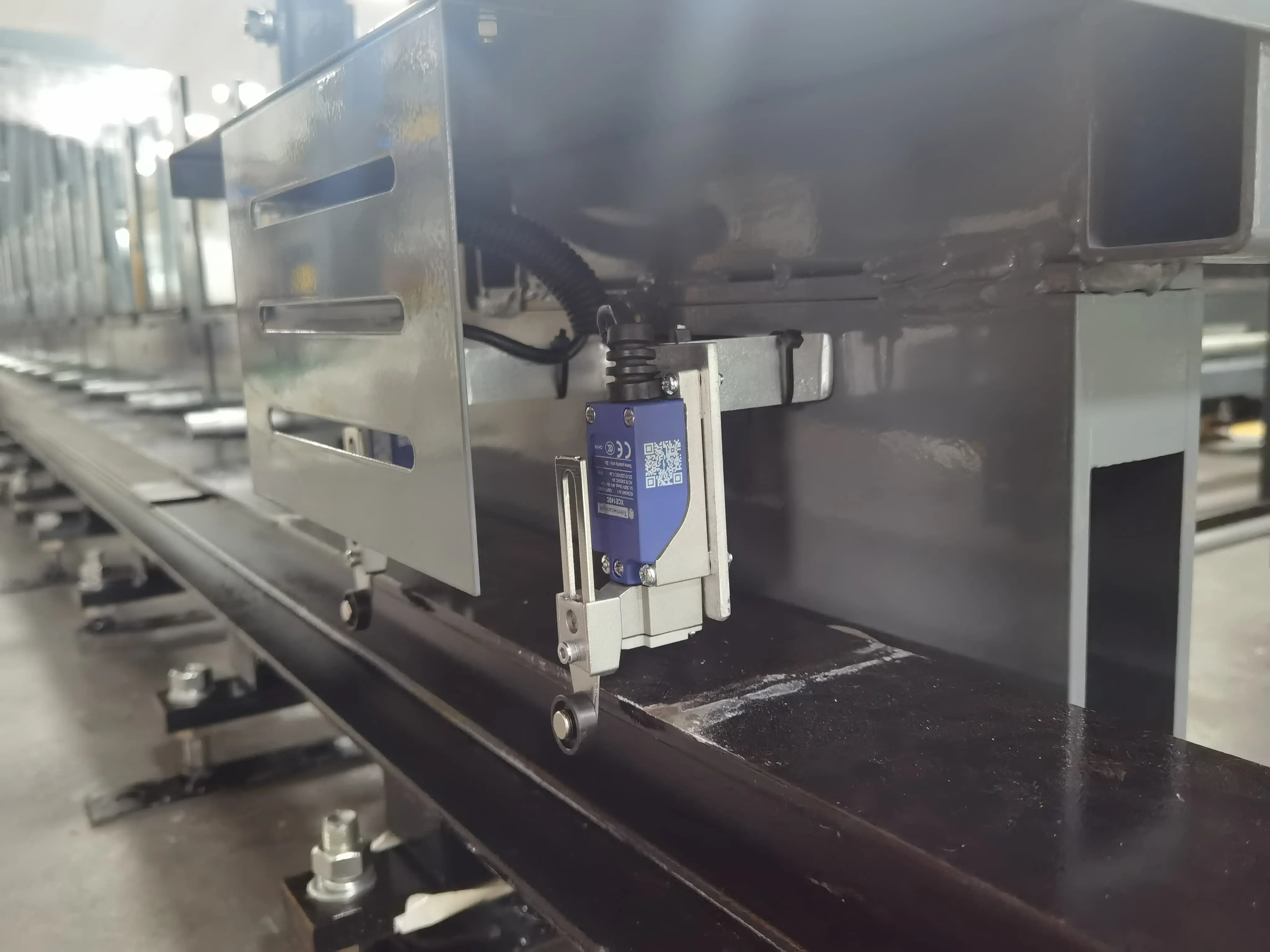
Traditional Batch Furnaces
Batch furnaces heat a largely stationary "batch" of materials and then release the molten glass. These furnaces are typically used for smaller-scale production and can be found in various industries, including architectural glass, container glass, and specialty glass production.
Continuous Furnaces
Continuous furnaces, on the other hand, feed raw materials continuously into the furnace, which maintains a steady flow of materials through the melting process. Continuous furnaces are ideal for large-scale production, providing consistent and reliable output.
Key Features of Batch Furnaces
Advantages and Disadvantages
- Advantages:
- Flexibility: Batch furnaces can be easily adapted to produce different types of glass by adjusting the batch composition.
- Lower Initial Investment: Generally, batch furnaces require a lower initial capital investment compared to continuous furnaces.
Smaller Footprint: Batch furnaces take up less floor space, making them suitable for smaller facilities.
Disadvantages:
- Lower Throughput: Batch furnaces typically have a lower production capacity compared to continuous furnaces.
- Higher Energy Consumption: Due to their design, batch furnaces can be less energy-efficient, leading to higher operational costs.
Typical Applications
Batch furnaces are ideal for small-scale glass production, such as specialized glass types and custom orders. They are often found in artisanal glassmaking, small glass factories, and laboratory settings.
Key Features of Continuous Furnaces
Advantages and Disadvantages
- Advantages:
- Higher Throughput: Continuous furnaces can produce large quantities of glass consistently, making them ideal for mass production.
- Lower Energy Consumption: Continuous furnaces are designed for energy efficiency, reducing operational costs over time.
Consistent Quality: The constant flow of materials ensures consistent product quality, which is crucial for large-scale production.
Disadvantages:
- Higher Initial Investment: Continuous furnaces require a significant upfront investment.
- Larger Footprint: These furnaces take up more space, which might be a constraint for smaller facilities.
Typical Applications
Continuous furnaces are commonly used in large-scale glass manufacturing, such as in the production of float glass, container glass, and specialty glass products. They are ideal for industries that require high-volume, consistent production of glass.
Applications of Batch vs. Continuous Furnaces
Batch Furnaces
Batch furnaces are suitable for smaller production runs and specialized glass products. They are commonly used in:
- Architectural Glass: For windows, mirrors, and other architectural components.
- Container Glass: For small-scale glass container production.
- Specialty Glass: For custom orders and specialized glass products.
Continuous Furnaces
Continuous furnaces are ideal for large-scale production and mass manufacturing. They are commonly used in:
- Float Glass: Large-scale production of flat glass for windows and construction.
- Container Glass: Mass production of glass bottles and containers.
- Specialty Glass: High-volume production of specialized glass products.
Cost Analysis and Economic Considerations
Initial Investment
- Batch Furnaces: Require lower initial capital investment, making them more accessible for smaller operations.
- Continuous Furnaces: Involve a higher initial investment, but offer long-term benefits for large-scale production.
Operational Costs
- Batch Furnaces: Typically have higher energy costs due to less efficient energy consumption.
- Continuous Furnaces: Are more energy-efficient, leading to lower operational costs over time.
Production Rates
- Batch Furnaces: Offering lower throughput, batch furnaces are suitable for smaller production runs.
- Continuous Furnaces: Provide higher throughput, making them ideal for large-scale production.
Pricing Chart for SANKEN 100 Ton Per Day Continuous Glass Melting Furnace
| Feature | Details |
|---|---|
| Capacity | 100 tons per day |
| Energy Efficiency | High |
| Throughput | Up to 100 tons per day |
| Footprint | Medium to large |
| Price Range | Contact SANKEN for a quote |
Automated Batch Furnaces for Borosilicate Glass Production
Automated batch furnaces offer advanced features for borosilicate glass production, including:
- Energy Efficiency: Advanced burners and optimized combustion systems reduce fuel consumption.
- Reproducibility: Ensures consistent glass quality with precise batch feeding and control systems.
- Maintenance: Designed for easy maintenance to minimize downtime.
SANKEN 100 Ton Per Day Continuous Glass Melting Furnace
SANKEN's 100 ton per day continuous glass melting furnace offers several advantages:
- High Throughput: Designed for large-scale production.
- Energy Efficiency: Optimized for lower energy consumption.
- Consistent Quality: Ensures a steady output of high-quality glass.
Case Studies
Example 1: Manufacturing Company A
Company Profile:- Industry: Architectural Glass
- Current Furnace: Batch Furnace
- Decision: Upgrade to SANKEN's Continuous Furnace
Impact:- Increased Throughput: Up to 50% more production capacity.
- Reduced Operational Costs: Lower energy consumption and decreased downtime.
Example 2: Glass Container Manufacturer
Company Profile:- Industry: Glass Containers
- Current Furnace: Continuous Furnace
- Decision: Upgrade to SANKEN's Advanced Continuous Furnace
Impact:- High Production Efficiency: Increased production rates and consistent glass quality.
- Lower Maintenance Costs: Optimized maintenance features reduce downtime and maintenance expenses.
Conclusion
Batch and continuous melting furnaces offer distinct advantages and disadvantages depending on your production needs. Batch furnaces are ideal for smaller-scale, flexible production, while continuous furnaces provide the necessary throughput and efficiency for large-scale manufacturing.
SANKEN's continuous furnace, such as the 100 ton per day model, offers a robust solution for high-volume, consistent glass production. For smaller, more specialized applications, automated batch furnaces can provide reliable and efficient glass melting solutions.
When selecting a glass melting furnace, consider factors such as production volume, energy efficiency, and operational costs. With SANKEN's expertise, you can find the right solution to meet your specific needs.
Table of Contents
- 5.7Case Studies
GET IN TOUCH WITH Us
recommended articles
SANKEN Glass Machinery is a Guangzhou-based manufacturer and international supplier of glass-processing machinery and complete production-line solutions.
Useful Links
Products
Contact Us
Contact: Dalia Qiu
Tel: +86 15994813914
Landline: +86-20-82347228
Email: sales@sankenglass.com
WhatsApp: +86 15994813914
ADD: No.2, Xinghai Road, Lanhe, Nansha District, Guangzhou City, China. P.C 511480
Copyright © 2026 Guangzhou Sanken Glass Machinery Co., Ltd.| Sitemap