Please fill out the form below to request a quote or to request more information about us. please be as detailed as possible in your message, and we will get back to you as soon as possible with a response. we're ready to start working on your new project, contact us now to get started.
Exporting glass-processing machinery since 2002, with international project support from planning to installation and training.
Future Trends in CNC Glass Cutting from an Industry Manufacturer
2026-07-20
SANKEN
13
CNC (Computer Numerical Control) glass cutting is an innovative technology transforming traditional glass manufacturing processes. This method employs advanced CNC machines to cut, engrave, drill, and shape glass with unrivaled precision and consistency. The versatility of CNC glass cutting has revolutionized industries ranging from automotive to architecture, enabling the production of high-quality, intricately designed glass components.
CNC glass cutting technology has not only improved manufacturing efficiencies but also opened the door to new possibilities in glass fabrication. This article delves into the current practices, future innovations, and emerging trends in CNC glass cutting, providing valuable insights for industry professionals.
Types of CNC Glass Machines
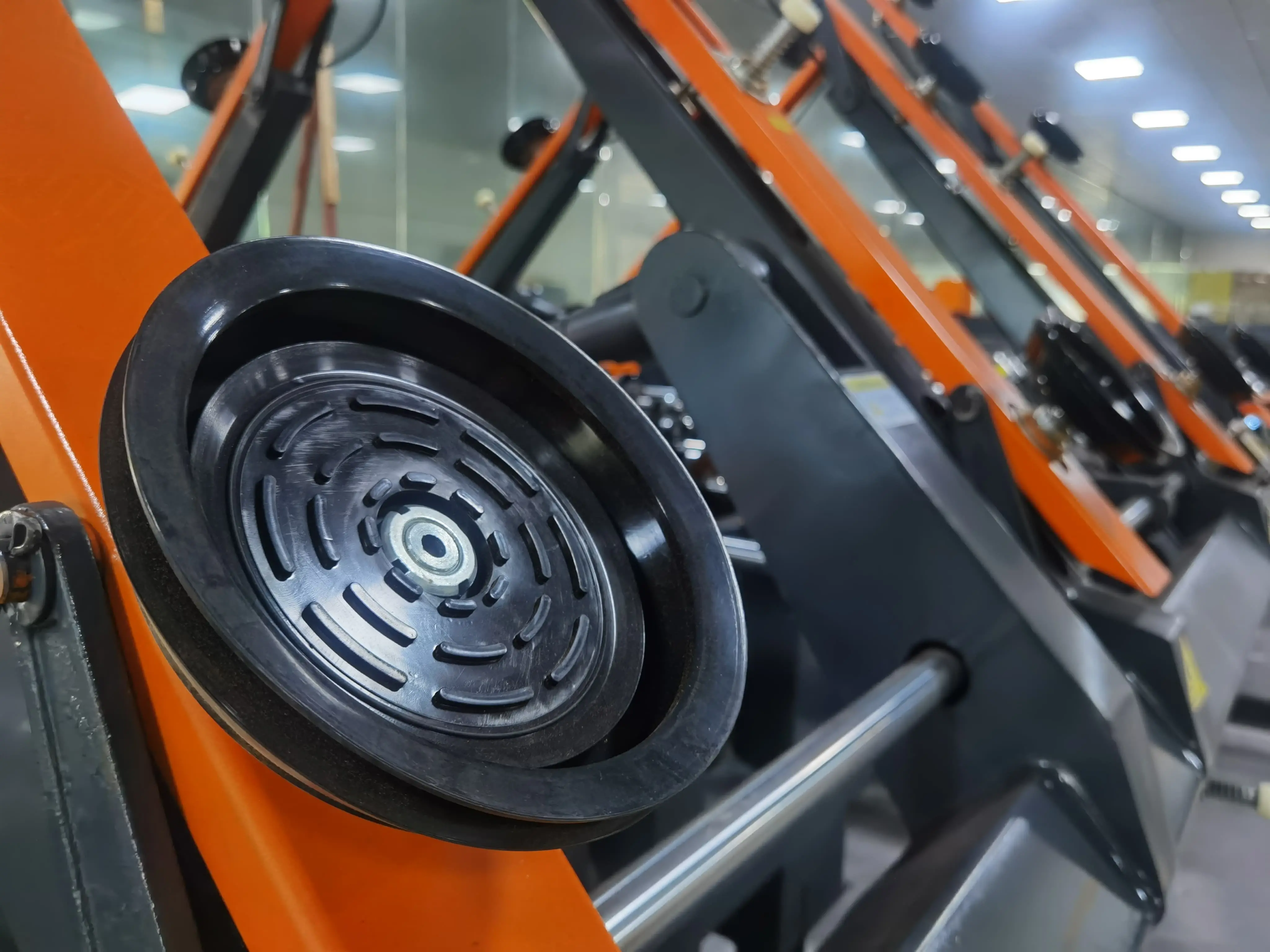
CNC glass cutting machines come in various types, each designed to serve different applications and industries. Here's an overview of the most common CNC glass machines and their capabilities:
High-Speed CNC Glass Cutting Machines
High-speed CNC glass cutting machines are revolutionizing the industry with their rapid cutting speeds and high precision. These machines can operate at higher RPMs, reducing production time and improving efficiency. The SANKEN brand, for instance, has developed several high-speed CNC machines specifically designed to handle large volumes of glass components with minimum downtime and maximum product quality. Some notable features of these machines include:
- Precision Cutting: High-speed CNC machines can cut glass with intricate designs and complex shapes, ensuring consistent accuracy and flawless results.
- Compatibility with Diverse Materials: SANKEN equipment supports various types of glass, including borosilicate, soda-lime, and fused silica, making them highly versatile for different projects.
- Reliability: These machines are equipped with advanced sensors and monitoring systems that continuously check the cutting process, ensuring zero defects and maximum yield.
Customizable CNC Glass Solutions
One of the key advantages of CNC glass cutting is the ability to customize solutions for specific applications. SANKEN offers customizable CNC glass solutions tailored to the unique needs of each client. These solutions include:
- Flexible Design Options: Customers can input custom designs and specifications, allowing the machine to fabricate pieces with exact dimensions and intricate details.
- Integrated CAD Software: SANKEN machines are equipped with user-friendly CAD software, enabling designers to create detailed models and prototype designs seamlessly.
- Advanced Robotics: Integration with robotic arms and other automated systems enhances the flexibility and adaptability of the machines, enabling production of a wide range of glass components.
- Quick Changeover Times: The machines are designed for rapid tool changes and setup adjustments, ensuring quick conversion between different projects and designs.
Current Practices and Techniques
The process of CNC glass cutting involves multiple stages, each critical to achieving the desired product quality and consistency. Here's a brief overview of the main stages:
Design Stage
The journey begins with the design of the glass component using Computer-Aided Design (CAD) software. Designers create digital blueprints and models, specifying the exact dimensions, patterns, and features required for each piece. These designs are then converted into numerical codes that the CNC machine can interpret.
Setup Stage
Once the design is finalized, the physical setup of the machine begins. This involves installing the appropriate cutting and drilling tools, ensuring that the machine is calibrated correctly for the specific type of glass being used. SANKEN's setup process is streamlined and efficient, minimizing downtime and optimizing machine performance.
Machining Stage
The actual machining process involves carefully placing the glass on the CNC table and programming the machine to follow predefined paths. The machine uses various techniques, including milling, drilling, grooving, and grinding, to cut, shape, and engrave the glass with precision. The high-speed CNC machines from SANKEN are particularly well-suited for this stage, ensuring smooth and accurate cutting even at high speeds.
Polishing and Finishing Stage
After the glass components are cut, they undergo a finishing process to enhance their quality and appearance. This may include grinding, polishing, and applying chemical or thermal treatments to improve surface smoothness and durability. SANKEN's advanced finishing techniques provide a high-quality finish that meets the highest industry standards.
Inspection and Quality Control
The final step involves rigorous inspection and quality control to ensure that each component meets the required specifications and tolerances. SANKEN utilizes state-of-the-art inspection systems to verify the dimensional accuracy, surface finish, and overall quality of each piece. This ensures that all products leave the factory with a consistent and impeccable finish.
Future Innovations and Trends
The future of CNC glass cutting is exciting, with several emerging technologies and trends driving innovation in the industry. Here are some key areas to watch:
Integration with Automation and AI
One of the most significant advancements is the integration of CNC glass cutting machines with automation and AI. This trend is unlocking new possibilities for increased efficiency, precision, and customizability. For example, SANKEN is at the forefront of this innovation, developing machines that use machine learning algorithms to optimize cutting paths and adapt to changing conditions in real-time.
- Automated Tool Management: Automated systems handle tool changes and maintenance, reducing downtime and increasing production capacity.
- AI-Driven Optimization: Machine learning algorithms continuously optimize cutting parameters to improve efficiency, reduce waste, and enhance the quality of cut glass components.
Customization Options
Customization is another area where CNC glass cutting is seeing significant advancements. SANKEN's customizability allows clients to input unique designs and modify machine settings to produce custom glass components for specific applications. This is crucial for industries requiring bespoke solutions, such as architectural glass, decorative art, and precision optics.
Emerging High-Tech Applications
CNC glass cutting is expanding into new high-tech applications, supporting industries where precision and customization are paramount. These include:
- Aerospace Components: High-precision glass components for aerospace applications are benefiting from CNC cutting technology. These components require extreme accuracy and consistency, which CNC machines can deliver reliably.
- Medical Devices: CNC glass cutting is being used to produce intricate parts for medical devices, such as lenses and optical components in diagnostic tools. The precision and accuracy of CNC machines ensure that these components meet stringent quality standards.
- Semiconductor Manufacturing: In semiconductor manufacturing, finely machined glass components are essential for various applications, from wafer holders to protective covers. SANKEN's CNC machines are ideal for this demanding industry, providing the precision needed for even the most complex semiconductor components.
Advantages of CNC Glass Cutting
CNC glass cutting offers numerous advantages that set it apart from traditional manufacturing methods. Here's a detailed look at the key benefits:
High Precision and Accuracy
CNC machines operate with unmatched precision, allowing for the production of glass components with exact specifications. This level of accuracy ensures that each piece meets the required standards, reducing the risk of defects and improving overall quality.
Customization Capabilities
The ability to customize designs and specifications gives CNC machines an edge in producing unique and intricate glass components. SANKEN's extensive customization options enable clients to produce one-of-a-kind pieces tailored to their specific needs.
Reproducibility and Consistency
CNC machines guarantee consistency across batches, ensuring that every component produced is identical in quality and specifications to the prototype. This is crucial for large-scale production, where consistency and repeatability are paramount.
Reduced Waste and Improved Efficiency
Compared to manual processes, CNC machines minimize material waste by precisely cutting glass according to pre-set designs. This not only reduces costs but also aligns with sustainability goals, making it an eco-friendly alternative to traditional methods.
Quick Set-up and Changeover
SANKEN's CNC machines are designed for quick set-up and changeover, allowing for rapid transitions between different projects and designs. This reduces downtime and maximizes operational efficiency.
Challenges and Limitations
Fragility of Glass During Machining
Glass is inherently fragile, making it susceptible to cracking or chipping during the CNC cutting process. Although modern technologies have improved machine precision, the risks associated with glass machining remain significant.
Machine Maintenance and Calibration
Regular maintenance and calibration are essential to ensure the accurate operation of CNC machines. Neglecting these tasks can lead to inconsistencies in cut quality and increased wear and tear on the machine.
Cost Implications of Advanced Technology
CNC machines are expensive, and the initial investment can be prohibitive for some companies. However, the long-term benefits of improved efficiency and quality often justify the upfront costs.
Safety Concerns During Operation
Handling and cutting glass can pose safety risks. Automated CNC machines reduce the need for direct human interaction, enhancing safety. However, operators must still follow strict safety protocols to prevent accidents and injuries.
Sustainability and Environmental Impact
CNC glass cutting is a highly sustainable process that aligns with modern environmental concerns. Here are some ways in which CNC machines contribute to sustainability:
Reduced Material Waste
Precision cutting ensures minimal material waste, reducing costs and lowering the environmental impact of glass production. SANKEN's advanced cutting technologies minimize scrap and maximize yield, contributing to a more sustainable manufacturing process.
Energy-Efficient Processes
CNC machines are designed for efficient power usage, reducing energy consumption during the cutting process. This not only lowers operating costs but also helps in reducing the carbon footprint of the manufacturing process.
Eco-Friendly Materials and Processes
SANKEN uses eco-friendly materials and clean techniques in glass machining, further enhancing the sustainability of the process. This commitment to environmental responsibility aligns with the growing demand for green manufacturing practices.
Conclusion
The future of CNC glass cutting is bright, driven by advancements in technology, customization, and sustainability. SANKEN, as a leading manufacturer in the field, is committed to pushing the boundaries of this technology and providing innovative solutions to the industry. By leveraging cutting-edge CNC machines and techniques, we ensure that each glass component meets the highest standards of quality and precision, while also aligning with the demands of modern manufacturing, sustainability, and environmental responsibility.
SANKEN's expertise in CNC glass cutting technology, combined with our commitment to innovation and sustainability, positions us as a top choice for industry professionals. Our machines and solutions enable clients to achieve unparalleled precision, customization, and efficiency in their glass manufacturing processes.
If you're looking to integrate advanced CNC glass cutting technology into your operations, contact SANKEN today. Our team is ready to help you explore the future of glass machining and unlock new possibilities for your business.
References
- Thermal Properties of Glass Materials: Glass typically requires careful temperature control during machining to prevent thermal shock, which can cause cracking or damage.
- High-Speed CNC Glass Cutting Machines: SANKEN's machines are designed to operate at high speeds while maintaining precision and accuracy.
- Customization Capabilities: SANKEN's CNC machines offer extensive customization options, enabling clients to produce unique and intricate glass components.
- Emerging High-Tech Applications: Advanced CNC glass cutting is revolutionizing industries such as aerospace, medical devices, and semiconductor manufacturing.
- Optical Properties of Glass: Precision-cut glass components are essential for optical applications, where high optical clarity and minimal distortion are critical.
- : SANKEN's commitment to sustainability ensures that our machines minimize waste, reduce energy consumption, and use eco-friendly materials.
Table of Contents
- 2.1Design Stage
- 2.2Setup Stage
GET IN TOUCH WITH Us
recommended articles
SANKEN Glass Machinery is a Guangzhou-based manufacturer and international supplier of glass-processing machinery and complete production-line solutions.
Useful Links
Products
Contact Us
Contact: Dalia Qiu
Tel: +86 15994813914
Landline: +86-20-82347228
Email: sales@sankenglass.com
WhatsApp: +86 15994813914
ADD: No.2, Xinghai Road, Lanhe, Nansha District, Guangzhou City, China. P.C 511480
Copyright © 2026 Guangzhou Sanken Glass Machinery Co., Ltd.| Sitemap