Please fill out the form below to request a quote or to request more information about us. please be as detailed as possible in your message, and we will get back to you as soon as possible with a response. we're ready to start working on your new project, contact us now to get started.
Exporting glass-processing machinery since 2002, with international project support from planning to installation and training.
What Questions to Ask Before Buying a CNC Glass Cutting Machine
2026-07-28
SANKEN
43
When making a significant investment in a CNC glass cutting machine, it's crucial to ask the right questions to ensure you choose a machine that meets your needs effectively. This comprehensive guide will help you navigate the purchasing process by highlighting key technical specifications, performance metrics, user experience factors, and after-sales support considerations.
Introduction
CNC glass cutting machines have revolutionized the glass manufacturing industry by providing consistent, precise, and efficient cutting capabilities. Whether you're a glass manufacturer, fabricator, or artisan, investing in the right CNC glass cutting machine can transform your operations. However, the market is flooded with various models and brands, each claiming to offer the most advanced features. Asking the right questions can help simplify the decision-making process and ensure you select a machine that aligns with your specific needs.
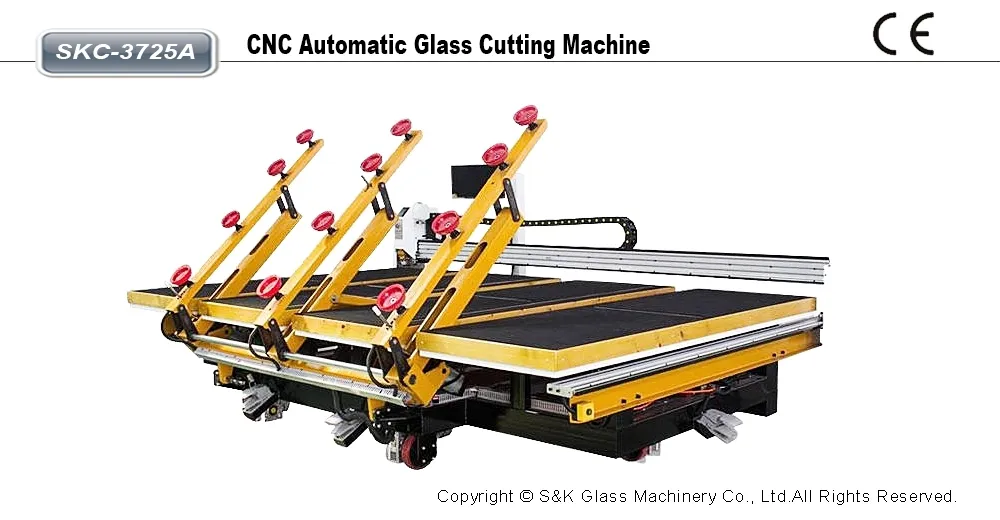
Key Technical Specifications to Consider
When evaluating CNC glass cutting machines, start by examining their technical specifications. These factors will determine the machine's capabilities and suitability for your operations.
Cutting Speed and Precision
- Cutting Speed: Measure the speed at which the machine can cut through glass. Faster cutting speeds can increase productivity but may compromise accuracy.
- Precision: Determine the machine's accuracy in making cuts. Precision is crucial, especially when dealing with intricate designs or thin glass sheets.
Machine Size and Capacity
- Machine Dimensions: Ensure the machine fits your workspace and can handle the volume of glass you process daily.
- Capacity: Consider the maximum size and thickness of glass the machine can cut. For larger projects, a machine with higher capacity may be necessary.
Ability to Cut Thick and Thin Glass
- Versatility: Assess the machine's capability to handle a range of glass thicknesses. Machines that can cut both thin and thick glass are ideal for versatile applications.
- Thickness Range: Specify the minimum and maximum thicknesses the machine can cut. This will help determine its suitability for your specific glass types.
Dust Extraction and Waste Management
- Dust Extraction System: Evaluate the machine's dust extraction system to ensure it efficiently removes dust and debris, reducing health risks and maintaining air quality.
- Waste Management: Consider how the machine handles and disposes of waste. Effective waste management systems reduce cleanup time and maintain a cleaner work environment.
Important Performance Metrics to Evaluate
Beyond technical specifications, several performance metrics can help you determine a machine's overall effectiveness and reliability.
Consistency in Cutting Quality
- Consistency: Look for a machine that delivers consistent cuts with minimal variation. Consistency ensures uniform quality across all projects.
- Repeatability: Assess the machine's ability to replicate precise cuts consistently. Repetitive cutting accuracy is vital for maintaining high-quality standards.
Accuracy in Complex Cuts
- Accuracy: Measure the machine's accuracy in making complex cuts, such as curves and angles. High accuracy is essential for intricate designs.
- Software Integration: Ensure the machine's software allows for precise control over complex cutting operations, reducing human error.
Durability and Longevity
- Build Quality: Inspect the machine's build quality and materials. Durable construction ensures long-term reliability and reduces the risk of breakdowns.
- Lifetime Cost Analysis: Consider long-term maintenance and repair costs. Machines with robust construction may have higher upfront costs but lower lifetime expenses.
Compatibility with Various Glass Types
- Material Compatibility: Determine the machine's compatibility with different types of glass, such=20 include float, tempered, and textured glass. Flexibility in material compatibility enhances versatility.
- Testing Options: If possible, test the machine on various glass types to confirm its performance and adaptability.
Tips for Assessing Software and User Experience
The software and user experience can greatly impact the machine's usability and efficiency.
Ease of Setup and Operation
- Setup Process: Evaluate the ease of setting up the machine. A simpler setup process reduces downtime and speeds up initial operations.
- Operator Training: Consider the training required for operators. User-friendly interfaces can reduce training time and ensure consistent operation.
Software Interface and Integration
- User Interface: Assess the software's user interface. Intuitive interfaces simplify operation and improve productivity.
- Integration Capabilities: Look for machines that integrate seamlessly with other equipment or existing systems. Integration can streamline workflows and enhance overall efficiency.
Control and Programming Features
- Control Mechanisms: Examine the control mechanisms, such as joysticks, touchscreens, and foot pedals. Efficient control mechanisms enhance ease of use.
- Programming Capabilities: Evaluate the machine's programming features. Advanced programming capabilities allow for custom cuts and design flexibility.
Safety Measures and User-Friendly Design
- Safety Features: Ensure the machine includes safety features, such as emergency stops, sensor-based protection, and collision detection.
- User-Friendly Design: Assess the machine's overall design, including ergonomic controls, clear panel layouts, and easy-to-read screens. A user-friendly design reduces errors and enhances operator comfort.
Essential Factors for After-Sales Service and Support
After-sales service and support are critical for long-term machine reliability and user satisfaction.
After-Sales Service Options
- Customer Support: Consider the availability and responsiveness of customer support. Comprehensive support enhances the overall user experience.
- Troubleshooting Resources: Evaluate the availability of online manuals, video tutorials, and guided troubleshooting tools.
Warranty and Maintenance Plans
- Warranty Details: Review the warranty terms and conditions. Longer warranties provide more protection and peace of mind.
- Maintenance Plans: Look for maintenance packages that offer regular servicing and parts replacements to keep the machine in optimal condition.
Availability of Replacement Parts
- Part Availability: Verify the availability of replacement parts. Quick access to genuine spare parts reduces downtime and maintenance costs.
- Reputation: Check the brand's reputation for providing reliable after-sales parts and services.
Support for Customization and Upgrades
- Customization Options: Consider the machine's customization options, such as software upgrades and hardware modifications.
- Upgrade Path: Assess the machine's scalability. Machines that offer upgrade paths can accommodate future needs without requiring a complete overhaul.
Conclusion
Investing in a CNC glass cutting machine is a significant decision that requires careful consideration of various factors. By asking the right questions, you can ensure you select a machine that meets your technical requirements, performs reliably, and provides long-term value. SANKEN's CNC glass cutting machines are known for their precision, durability, and comprehensive after-sales support, making them a top choice for businesses and artisans alike.
To enhance your decision-making process, consult with a SANKEN representative to discuss your specific needs and explore the full range of options available. Making an informed choice will lead to greater productivity, efficiency, and satisfaction in your glass manufacturing operations.
Table of Contents
GET IN TOUCH WITH Us
recommended articles
SANKEN Glass Machinery is a Guangzhou-based manufacturer and international supplier of glass-processing machinery and complete production-line solutions.
Useful Links
Products
Contact Us
Contact: Dalia Qiu
Tel: +86 15994813914
Landline: +86-20-82347228
Email: sales@sankenglass.com
WhatsApp: +86 15994813914
ADD: No.2, Xinghai Road, Lanhe, Nansha District, Guangzhou City, China. P.C 511480
Copyright © 2026 Guangzhou Sanken Glass Machinery Co., Ltd.| Sitemap