Please fill out the form below to request a quote or to request more information about us. please be as detailed as possible in your message, and we will get back to you as soon as possible with a response. we're ready to start working on your new project, contact us now to get started.
Exporting glass-processing machinery since 2002, with international project support from planning to installation and training.
What Is the Total Cost of Ownership for a Laser Glass Cutting Machine?
2026-07-21
SANKEN
4
Understanding the total cost of ownership (TCO) is crucial when evaluating the long-term financial impact of purchasing and operating a laser glass cutting machine. This article aims to provide a detailed breakdown of the initial and ongoing costs associated with a SANKEN laser glass cutting machine, and compare these costs with other industrial glass cutting methods. By examining both direct and indirect expenses, you can make an informed decision for your business needs.
Quick Answer
The total cost of ownership (TCO) for a SANKEN laser glass cutting machine includes initial and ongoing costs, such as machine cost, installation, maintenance, energy consumption, labor, and training. Compared to other industrial glass cutters, such as CW CO and ultrafast lasers, SANKEN's machine offers precision and efficiency, but comes with higher initial costs and operational expenses.
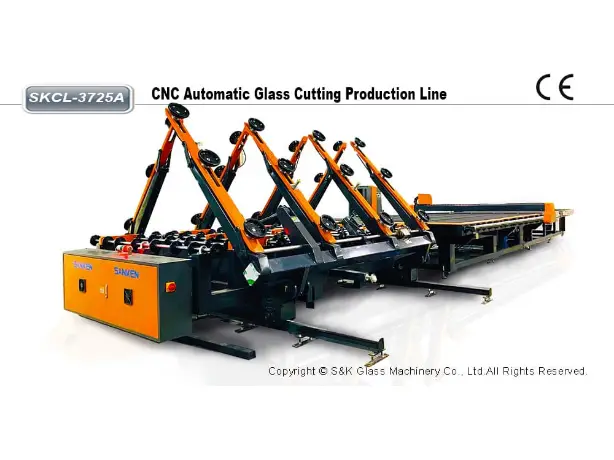
Breakdown of Initial Costs for a SANKEN Laser Glass Cutting Machine
Machine Cost
The cost of the SANKEN laser glass cutting machine represents the largest initial investment. Factors influencing the machine price include the type of laser (e.g., picosecond or femtosecond), power output, and machine specifications. Typically, ultrafast laser systems cost more due to their advanced technology and precision capabilities.
Installation and Commissioning
Installation and commissioning costs include hiring professionals to set up the machine, ensure alignment, and test its functionality. These services may also cover the installation of ancillary equipment such as cooling systems, fixtures, and pump modules. The installation process typically takes a few days and involves a team of experts to ensure proper configuration.
Training and Software
Training sessions are essential to familiarize operators with the machine's software and control systems. Software and training costs include the purchase of proprietary software, training sessions, and ongoing support. Initial training sessions can cost several thousand dollars, and additional training programs are available for advanced operations and troubleshooting.
Initial Setup and Calibration
Calibration is a critical step to ensure the machine operates accurately and efficiently. This process involves fine-tuning parameters such as focal length, beam alignment, and power settings. Calibration services may also cover the initial testing of sample cuts to validate machine performance. This step ensures that the machine produces consistent, precise cuts for your specific glass types.
Additional Components (optional)
Depending on your requirements, additional components like water cooling systems, air purification systems, or custom fixturing may be necessary. These components ensure optimal machine performance and extend the life of the machine. Consideration of additional components may require an initial investment, but they contribute to the overall performance and longevity of the machine.
Operational and Maintenance Costs
Maintenance Services
Regular maintenance ensures the laser glass cutting machine operates efficiently and extends its lifespan. Maintenance services include routine checks, cleaning, and replacement of wear parts. Additionally, services may cover laser tube replacement and filter changes. The frequency of maintenance services varies based on usage intensity and manufacturer recommendations.
Replacement Parts
Laser cutting machines require periodic replacement of components such as laser tubes, nozzles, mirrors, and beamsplitters. These parts have a limited lifespan and must be regularly replaced to maintain machine performance. The cost of replacement parts should be factored into your overall budget.
Energy Consumption
Energy consumption is a significant operational cost, especially for high-power laser systems. The energy required for the laser operation, cooling systems, and auxiliary devices must be considered. Energy-efficient models are available, but they often come with higher initial costs due to advanced cooling technology.
Labor Costs
Labor costs include the salaries of operators and maintenance personnel. Ensuring technicians and operators are trained and experienced is critical for efficient machine operation and output quality. Regular training and certifications are essential to maintain high-quality standards.
Software Updates and Licensing
Software updates are necessary to ensure compatibility with the machine and to leverage new features. Licensing fees may be required for proprietary software or specialized applications. These updates can improve machine performance, reduce downtime, and enhance overall operational efficiency.
Training and Support
Comparing TCO with Other Industrial Glass Cutters
Direct Comparison
CW CO Laser Cutters vs. Ultrafast Lasers
- CW CO Laser Cutters:
- Lower initial cost due to simpler laser technology.
- Suitable for engraving and etching but not recommended for high-precision cutting.
. - Ultrafast Lasers (Picosecond/Femtosecond):
- Higher initial cost due to advanced technology.
- Capable of precision cutting, low thermal damage, and high-speed processing.
Traditional Cutting Methods
- Traditional cutting methods such as mechanical saws and waterjets have lower initial costs but come with limitations in terms of precision and edge quality. For industries requiring high-precision cutting, laser technology offers superior quality and consistency.
Cost Metrics
- Capital Investment: Ultrafast laser systems have higher initial costs, but they offer long-term benefits in terms of precision and efficiency.
- Ongoing Maintenance: Advanced laser systems require regular maintenance, but the cost per unit of output is often lower due to higher throughput and reduced downtime.
- Operational Efficiency: Ultrafast lasers can process glass more efficiently, producing higher-quality cuts with less material waste, ultimately reducing production costs.
Benefits and Limitations of Laser Glass Cutting
Advantages
- Precision and Accuracy: Ultrafast lasers produce high-quality cuts with minimal heat-affected zones and edge chipping. This ensures finished products meet strict quality standards.
- Non-contact Processing: Laser cutting is a non-contact process that avoids mechanical stress and wear on the glass. This reduces the risk of glass breakage and ensures consistent quality.
- Scalability: Laser glass cutting systems can process a wide range of glass types and thicknesses, making them versatile for various applications.
Limitations
- High Capital Costs: The initial investment for ultrafast laser systems is significant. However, the long-term benefits often outweigh these costs due to efficiency and precision.
- Throughput for Thick Glass: While laser cutting is efficient for thin glass substrates, thicker glass may require longer processing times and lower throughput compared to mechanical or waterjet cutting.
- Complexity in Setup: Proper setup and calibration are essential for optimal performance. This can be time-consuming and may require specialized expertise. Additionally, precise configuration is necessary to ensure high-quality cuts, which can add to initial setup costs.
Conclusion
Understanding the total cost of ownership (TCO) for a SANKEN laser glass cutting machine is essential for making informed business decisions. While the initial investment is higher than traditional cutting methods, the long-term benefits of precision, efficiency, and quality justify the cost. Consider leasing options to spread out the financial burden and ensure you have the necessary resources for maintenance and upgrades.
In summary, the TCO analysis reveals that SANKEN's laser glass cutting machine offers significant long-term advantages, particularly in terms of precision, efficiency, and quality. By carefully considering all costs and benefits, you can make a well-informed decision that aligns with your business goals and future needs.
Table of Contents
- 2.1Machine Cost
- 3.4Labor Costs
- 4.2Cost Metrics
- 5.1Advantages
- 5.2Limitations
GET IN TOUCH WITH Us
recommended articles
SANKEN Glass Machinery is a Guangzhou-based manufacturer and international supplier of glass-processing machinery and complete production-line solutions.
Useful Links
Products
Contact Us
Contact: Dalia Qiu
Tel: +86 15994813914
Landline: +86-20-82347228
Email: sales@sankenglass.com
WhatsApp: +86 15994813914
ADD: No.2, Xinghai Road, Lanhe, Nansha District, Guangzhou City, China. P.C 511480
Copyright © 2026 Guangzhou Sanken Glass Machinery Co., Ltd.| Sitemap