Please fill out the form below to request a quote or to request more information about us. please be as detailed as possible in your message, and we will get back to you as soon as possible with a response. we're ready to start working on your new project, contact us now to get started.
Exporting glass-processing machinery since 2002, with international project support from planning to installation and training.
Initial Cost vs. Long-Term ROI: Investing in a Laser Glass Cutting Machine
2026-08-19
SANKEN
41
When it comes to precision and efficiency in glass cutting, the decision to invest in a modern laser glass cutting machine is one that can significantly impact your business operations. This article delves into the initial investment, operational costs, and long-term benefits of opting for a laser glass cutting machine, particularly the SANKEN model. We will examine the cost-benefit analysis of laser cutting compared to traditional methods and provide insights into why this investment can yield a higher return on investment (ROI).
Introduction
The world of glass manufacturing is rapidly evolving, and the adoption of advanced technology, such as laser glass cutting machines, is transforming the industry. A laser glass cutting machine offers numerous advantages over traditional cutting methods, including increased precision, reduced material waste, and higher operational efficiency. However, understanding the financial implications of such an investment can be complex. This article aims to provide a clear, comprehensive analysis of the initial costs and long-term benefits of investing in a laser glass cutting machine, with specific focus on the SANKEN model.
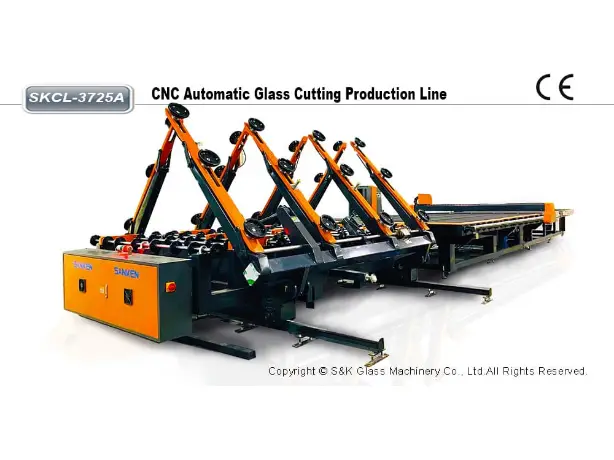
Initial Cost of a Laser Glass Cutting Machine
The Initial Investment
One of the primary concerns for businesses considering an upgrade to a laser glass cutting machine is the upfront cost. While the initial investment may seem high, it is essential to consider the long-term benefits. Here's a breakdown of the initial costs involved:
Purchase and Setup
- Machine Cost: The cost of a laser glass cutting machine varies based on the model and specifications. For instance, a high-quality SANKEN laser glass cutting machine can range from $50,000 to $150,000, depending on features, size, and capacity.
- Installation and Training: Additional costs may include installation services, software setup, and training for operators. These costs can range from $5,000 to $10,000, depending on the complexity and level of training required.
- Permits and Certification: If required, obtaining permits and certifications can add an extra $2,000 to $5,000, depending on the location and requirements.
Comparative Costs with Traditional Methods
When compared to traditional glass cutting methods, such as manual cutting or handheld tools, the initial investment in a laser glass cutting machine might seem daunting. However, traditional methods come with their own set of expenses, including:
- Manual Cutting Costs: Manual methods require skilled labor and time-intensive processes, which can lead to higher labor costs and reduced productivity.
- Tool Maintenance: Handheld tools need regular maintenance and repairs, creating additional expenses that accumulate over time.
Summary
While the initial cost of investing in a laser glass cutting machine may be higher, it needs to be viewed in the context of long-term savings and efficiency gains. The upfront investment is a one-time cost that can result in substantial savings and operational improvements in the long run.
Operational Costs of a Laser Glass Cutting Machine
Operating Costs and Maintenance
Once the initial investment is made, the operational costs of a laser glass cutting machine play a critical role in determining the long-term financial benefits. These expenses include:
Energy Consumption
Energy costs for a laser glass cutting machine are typically lower compared to traditional methods. A SANKEN laser machine uses energy-efficient technology and is designed to operate at optimal power levels, resulting in significant energy savings over time.
- SANKEN Machine Efficiency: The SANKEN laser glass cutting machine features advanced energy management systems that reduce power consumption by up to 30% compared to traditional laser systems.
Spare Parts and Repairs
Maintenance costs for a laser glass cutting machine are generally lower due to the machine's precision and minimal wear and tear. SANKEN machines are built with high-quality components that require less frequent replacement and repair.
- Spare Part Costs: Regular maintenance of a SANKEN laser glass cutting machine involves minimal spare parts and minor repairs. These costs can range from $2,000 to $5,000 annually, depending on usage and maintenance schedule.
- Repair Costs: Given the durable nature of SANKEN machines, repair costs are minimal. Annual repair expenses are typically around $1,000 to $2,000.
Labor and Training
Labor costs associated with operating a laser glass cutting machine are reduced because the machine's precision reduces the need for skilled labor and manual intervention.
- Labor Costs: SANKEN machines are user-friendly and require minimal operator training. After initial training, operators can produce high-quality cuts with minimal supervision.
- Training Costs: The initial training costs are a one-time expense, typically ranging from $1,000 to $2,000 per operator.
Example Comparison Table: Operational Costs
| Cost Category | SANKEN Laser Glass Cutting Machine | Traditional Glass Cutting Methods |
|---|---|---|
| Energy Consumption | Lower | Higher |
| Spare Part Costs | Low | High |
| Repair Costs | Minimal | Significant |
| Labor Costs | Reduced | High |
| Initial Training Costs | One-time expense | Ongoing |
Summary
The operational costs of a laser glass cutting machine, such as the SANKEN model, are generally lower due to reduced energy consumption, lower maintenance costs, and lower labor requirements. These factors contribute to significant long-term savings, which can accumulate over the machine's lifetime.
Cost-Benefit Analysis of Laser vs Traditional Glass Cutting
Operational Efficiency
Operational efficiency is a key factor in determining the overall cost-effectiveness of a laser glass cutting machine. Here's a comparison of the operational efficiencies of laser and traditional methods:
- Production Speed: The SANKEN laser glass cutting machine can cut glass at a rate of up to 10 times faster than traditional methods. Faster production reduces downtime and increases overall efficiency.
- Accuracy: Laser cutting offers unparalleled accuracy, with precision levels of 0.01mm, compared to traditional methods that may have variations in cutting accuracy due to manual handling.
Material Waste
Material waste is significantly reduced with a laser glass cutting machine. The precision of laser cutting reduces the amount of scrap material, leading to cost savings over time.
- Reduced Material Waste: Traditional cutting methods can result in up to 30% more material waste compared to laser cutting, due to manual inaccuracy and imprecision.
Labor Productivity
Labor productivity is higher with laser glass cutting compared to traditional methods. Operators of laser machines can produce high-quality cuts with less effort and fewer errors.
- Labor Productivity: With the SANKEN laser glass cutting machine, labor productivity increases by up to 40%, reducing labor costs and improving overall production efficiency.
Example Comparison Table: Operational Efficiency
| Cost Category | SANKEN Laser Glass Cutting Machine | Traditional Glass Cutting Methods |
|---|---|---|
| Production Speed | 10x Faster | Slower |
| Accuracy | 0.01mm | 0.5mm |
| Material Waste | Low | High |
| Labor Productivity | High | Low |
Summary
In terms of operational efficiency, the SANKEN laser glass cutting machine offers significant advantages over traditional methods. With faster production speeds, higher accuracy, reduced material waste, and increased labor productivity, laser cutting provides a more efficient and cost-effective solution.
Long-Term ROI of a Laser Glass Cutting Machine
Long-Term Benefits
When evaluating the financial implications of investing in a laser glass cutting machine, it is crucial to consider the long-term benefits that can accrue over the machine's lifespan.
Reduction in Operational Costs
Reduced Operational Costs: Over time, the lower energy consumption, minimal maintenance requirements, and reduced labor costs result in significant savings. The long-term reduction in operational costs can offset the initial investment within a few years.
Improved Productivity
Increased Productivity: Laser cutting machines, like the SANKEN model, lead to higher productivity due to faster cutting speeds and reduced downtime. This increased output can lead to higher sales and profitability.
Enhanced Quality and Consistency
Quality and Consistency: The precision of laser cutting ensures high-quality, consistent results, which can improve product quality and customer satisfaction. Consistent quality reduces the need for rework and enhances overall efficiency.
Case Study: Long-Term Savings
Let's consider a hypothetical company that switches from traditional glass cutting methods to a SANKEN laser glass cutting machine. Over a five-year period, the company can expect:
- Energy Savings: With a reduction in energy consumption of 30%, the company can save approximately $5,000 per year on energy costs.
- Maintenance and Repair Savings: The lower maintenance and repair costs can save the company around $3,000 per year.
- Labor Savings: With reduced labor requirements, the company can save around $4,000 per year on labor costs.
- Increased Revenue: The higher productivity and quality can result in additional revenue of $50,000 annually.
Summary
When considering the long-term ROI of a SANKEN laser glass cutting machine, the savings in energy costs, maintenance, and labor, combined with increased productivity and product quality, can result in significant financial benefits over time. The long-term savings can make the initial investment worthwhile and contribute to overall business growth and profitability.
Conclusion
Summary of Key Points
- Initial Investment: While the upfront cost of purchasing and setting up a SANKEN laser glass cutting machine is higher, it is a one-time expense that can lead to significant savings over the machine's lifespan.
- Operational Costs: The SANKEN machine offers lower energy, maintenance, labor, and training costs compared to traditional methods, resulting in substantial long-term savings.
- Cost-Benefit Analysis: A comprehensive analysis of laser vs traditional cutting methods reveals that laser cutting offers higher efficiency, lower material waste, and increased productivity, leading to better ROI.
- Long-Term Benefits: The long-term financial benefits of investing in a SANKEN laser glass cutting machine include reduced operational costs, increased productivity, and higher sales, making it a worthwhile investment.
Encouragement to Invest
By understanding the long-term financial implications of investing in the SANKEN laser glass cutting machine, businesses can make a more informed decision. The initial investment is a worthwhile expense that can result in significant savings and increased profitability. Consider the long-term benefits and financial advantages to make an informed decision that aligns with your business goals.
Table of Contents
- 2.4Summary
- 3.1.1Energy Consumption
- 3.5Summary
- 4.5Summary
- 5.3Summary
GET IN TOUCH WITH Us
recommended articles
SANKEN Glass Machinery is a Guangzhou-based manufacturer and international supplier of glass-processing machinery and complete production-line solutions.
Useful Links
Products
Contact Us
Contact: Dalia Qiu
Tel: +86 15994813914
Landline: +86-20-82347228
Email: sales@sankenglass.com
WhatsApp: +86 15994813914
ADD: No.2, Xinghai Road, Lanhe, Nansha District, Guangzhou City, China. P.C 511480
Copyright © 2026 Guangzhou Sanken Glass Machinery Co., Ltd.| Sitemap