Please fill out the form below to request a quote or to request more information about us. please be as detailed as possible in your message, and we will get back to you as soon as possible with a response. we're ready to start working on your new project, contact us now to get started.
Exporting glass-processing machinery since 2002, with international project support from planning to installation and training.
Gas vs. Electric Heating Glass Tempering Machine Price Differences
2026-07-26
SANKEN
41
When it comes to choosing a glass tempering machine, one critical factor is the price and operational costs associated with gas versus electric heating methods. This article will delve into the differences between these two types of machines, focusing on the technical specifications and prices of the SANKEN electric glass tempering machines, as well as the operating cost comparison of gas vs. electric glass tempering furnaces.
Introduction
Glass tempering machines are essential tools in the glass manufacturing industry, designed to strengthen and toughen glass by subjecting it to thermal or chemical processes. The choice between gas and electric heating methods can significantly impact the overall performance, cost, and efficiency of the machine. This article compares the technical specifications and pricing of SANKEN gas and electric tempering machines to help you make an informed decision.
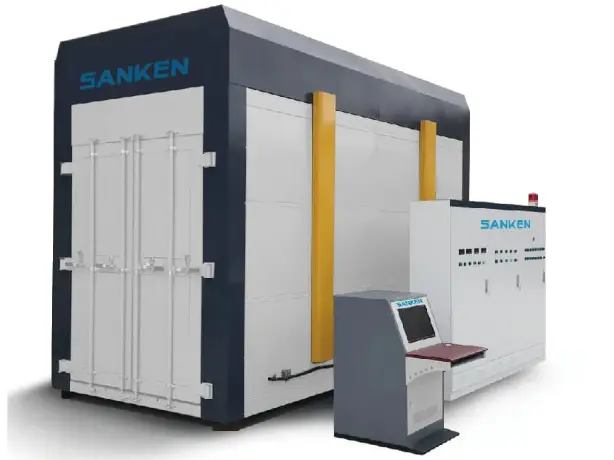
SANKEN Glass Tempering Machines
SANKEN is a leading brand in the glass tempering machine industry, known for its high-quality, reliable, and efficient machines. SANKEN machines are widely used in various applications, including architectural glass, automotive glass, and solar panel manufacturing. Let's explore the differences between gas and electric heating machines by focusing on the technical specifications and prices of SANKEN products.
Technical Specifications and Price Comparison
Gas Tempering Machines
Overview
Gas-heated glass tempering machines use fuel combustion to heat the glass. These machines are traditionally designed for high-throughput production and are popular in heavy industrial settings.
Technical Specifications
| Feature | Gas Tempering Machine |
|---|---|
| Heating Method | Fuel combustion (natural gas, propane) |
| Maximum Batch Size | 20-40 sheets per cycle |
| Standard Size | Up to 1200 mm x 1200 mm |
| Thermal Efficiency | 60-70% |
| Power Consumption | High |
| Operating Cost | High initial investment, lower ongoing costs |
| Maintenance Cost | Low, but regular cleaning required |
| Running Cost | Low fuel cost per cycle |
| Emission | Moderate, requires regular exhaust management |
| Safety | Fuel handling risks and emissions concerns |
Price Range
The price range for SANKEN gas tempering machines can vary based on the model and features. Typically, the price for a basic model ranges from $50,000 to $100,000, with higher-end models reaching up to $200,000. Maintenance and operational costs are relatively low, with the potential to achieve substantial savings over time.
Electric Tempering Machines
Overview
Electric-heated glass tempering machines use electric resistance to heat the glass, providing precise temperature control and consistent heating. These machines are ideal for small to medium-scale production and offer high flexibility and versatility.
Technical Specifications
| Feature | Electric Tempering Machine |
|---|---|
| Heating Method | Electric resistance heating |
| Maximum Batch Size | 10-20 sheets per cycle |
| Standard Size | Up to 1000 mm x 1000 mm |
| Thermal Efficiency | 80-90% |
| Power Consumption | Low |
| Operating Cost | High initial investment, higher ongoing costs |
| Maintenance Cost | Higher than gas models, but lower overall |
| Running Cost | Higher electricity cost per cycle |
| Emission | Minimal, environmentally friendly |
| Safety | Low risk, safer operation |
Price Range
SANKEN electric tempering machines are known for their precision and reliability, with prices ranging from $40,000 to $70,000 for basic models and up to $150,000 for advanced models. Initial investment can be higher, but the overall operational and maintenance costs are lower, making them a more cost-effective option over time.
Operating Cost Comparison of Gas vs. Electric Furnaces
Fuel and Energy Costs
The primary difference between gas and electric heating machines lies in their energy consumption and associated costs.
Gas vs. Electricity Pricing
- Gas Heat:
- Pricing: Typically, natural gas or propane is used as the fuel source.
- Efficiency: Limited efficiency, with a large portion of the energy produced being lost as waste heat.
- Initial Investment: Lower initial investment for gas heating systems.
Maintenance: Regular maintenance to ensure optimal performance.
Electric Heat:
- Pricing: Electricity is more expensive than gas but provides higher efficiency.
- Efficiency: Up to 90% efficiency, leading to less waste heat and lower overall energy consumption.
- Initial Investment: Higher initial investment for electric heating systems.
- Maintenance: Lower maintenance requirements and higher efficiency.
Energy Consumption Comparison
- Gas Tempering Machines:
- Energy Consumption: Higher energy consumption due to the inefficiencies of gas combustion.
- Running Cost: Lower running cost due to the relatively low cost of gas per unit.
Long-Term Cost Implications: Higher initial investment but lower long-term operational costs.
Electric Tempering Machines:
- Energy Consumption: Lower energy consumption due to high efficiency.
- Running Cost: Higher running cost due to the higher cost of electricity.
- Long-Term Cost Implications: Lower initial investment but higher long-term operational costs.
Maintenance Costs
Regular maintenance is essential for the longevity and optimal performance of any glass tempering machine. SANKEN machines are known for their durability, but regular maintenance is necessary to minimize downtime and costs.
Gas Tempering Machines
- Maintenance Requirements: Regular cleaning and servicing to ensure proper fuel combustion and gas flow.
- Repair and Replacement Costs: Lower repair and replacement costs due to fewer moving parts.
- Spare Parts and Consumables: Limited spare parts required, reducing ongoing maintenance costs.
Electric Tempering Machines
- Maintenance Requirements: Regular inspections to ensure electrical components are functioning correctly.
- Repair and Replacement Costs: Higher repair and replacement costs, but lower overall maintenance requirements.
- Spare Parts and Consumables: Fewer spare parts required compared to gas machines, but more frequent inspections and checks are needed.
Environmental Impact
Environmental considerations are increasingly important in the glass manufacturing industry.
Emissions and Environmental Standards
- Gas Tempering Machines:
- Emissions: Moderate emissions, particularly CO2 and fine particulates.
Compliance Costs: Regular compliance checks and potential emissions management systems.
Electric Tempering Machines:
- Emissions: Minimal emissions, aligning with environmental standards.
- Compliance Costs: Lower compliance costs due to reduced emissions and more straightforward management systems.
Conclusion
Choosing between gas and electric heating glass tempering machines involves balancing initial investment, long-term operational costs, and environmental impact. SANKEN offers both gas and electric tempering machines, each with unique advantages and disadvantages.
- Gas Tempering Machines:
- Advantages: Lower running costs, higher energy output from gas combustion.
Disadvantages: Higher initial investment, moderate emissions, and higher maintenance requirements.
Electric Tempering Machines:
- Advantages: Lower ongoing maintenance costs, higher efficiency, and minimal emissions.
- Disadvantages: Higher initial investment, higher running costs due to electricity pricing.
Ultimately, the choice between gas and electric heating methods depends on your specific needs, budget, and environmental considerations. SANKEN's glass tempering machines offer reliable performance and advanced technology, making them a trusted choice in the industry. Consider your production volume, energy efficiency requirements, and long-term operational costs to determine the best option for your business.
By understanding the technical specifications, operational costs, and environmental impact of both gas and electric heating glass tempering machines, you can make an informed decision that aligns with your business goals and sustainability objectives. SANKEN's commitment to quality and reliability ensures that you get a machine that meets your needs and stands the test of time.
Table of Contents
- 2.1.1Overview
- 2.1.3Price Range
- 2.2.1Overview
- 2.2.3Price Range
GET IN TOUCH WITH Us
recommended articles
SANKEN Glass Machinery is a Guangzhou-based manufacturer and international supplier of glass-processing machinery and complete production-line solutions.
Useful Links
Products
Contact Us
Contact: Dalia Qiu
Tel: +86 15994813914
Landline: +86-20-82347228
Email: sales@sankenglass.com
WhatsApp: +86 15994813914
ADD: No.2, Xinghai Road, Lanhe, Nansha District, Guangzhou City, China. P.C 511480
Copyright © 2026 Guangzhou Sanken Glass Machinery Co., Ltd.| Sitemap