Please fill out the form below to request a quote or to request more information about us. please be as detailed as possible in your message, and we will get back to you as soon as possible with a response. we're ready to start working on your new project, contact us now to get started.
Exporting glass-processing machinery since 2002, with international project support from planning to installation and training.
Desktop vs. Floor-Model Glass Edge Grinding Machine for Small Studios
2026-09-01
SANKEN
48
When it comes to choosing the right glass edge grinding machine for your small studio, there are two primary options to consider: desktop and floor-model models. Each type has its unique set of advantages and disadvantages, making it essential to understand the differences before making a decision.
In this article, we will explore both options, highlight the key features, and provide a detailed comparison to help you make an informed choice. Whether you're looking for a desktop machine that offers convenience and portability or a floor-model for greater power and productivity, we've got you covered.
Understanding the Glass Edge Grinding Machine
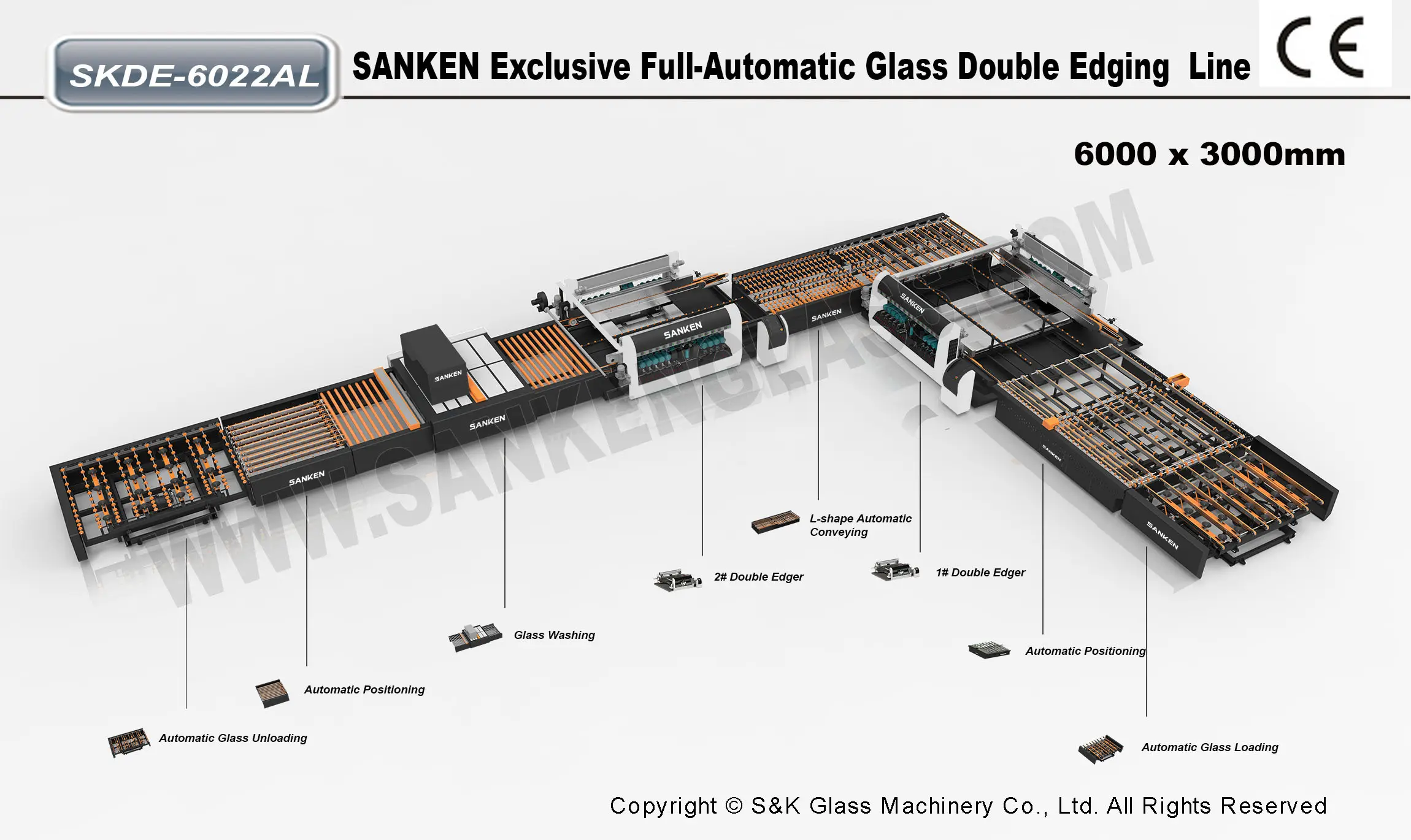
A glass edge grinding machine is a vital piece of equipment for any studio that works with glass, whether it's for artistic purposes or commercial applications. The purpose of these machines is to provide a smooth, polished edge to glass pieces, ensuring safety and aesthetic appeal.
There are two main types of glass edge grinding machines: desktop and floor-model. Let's delve into each of these to understand their characteristics and suitability for small studios.
Exploring SANKEN's Desktop Glass Edge Grinding Machine
SANKEN's desktop glass edge grinding machine is designed for convenient use and portability. These machines are compact, making them ideal for small studios where space is a premium. Here are some key features and benefits of the desktop model:
- Portability: The desktop model is lightweight and easily movable, allowing you to set it up anywhere in your studio.
- Ease of Use: The machine is user-friendly, with simple controls and an intuitive interface.
- Compact Design: Its compact size makes it a perfect fit for small spaces, ensuring efficient use of studio space.
- Versatile Applications: Suitable for various glass cutting and polishing tasks, making it versatile for different projects.
Understanding SANKEN's Floor-Model Glass Edge Grinding Machine
On the other hand, the floor-model glass edge grinding machine from SANKEN is built for power and productivity. These machines are larger and heavier, offering enhanced durability and performance:
- Strength and Rigidity: The floor-model machine is built with robust materials, ensuring it can handle heavy-duty tasks without compromising performance.
- Powerful Performance: Higher power output for efficient and consistent grinding.
- Durable Construction: Built to last, with sturdy design and materials that can withstand professional use.
- Enhanced Stability: Built-in stability features ensure smooth operation and consistent results.
Pro and Cons of the Desktop Glass Edge Grinding Machine
Pros:
- Portability: The desktop machine is lightweight and easy to move, providing flexibility in your studio.
- Convenience: It can be set up quickly and doesn't require a dedicated space, making it ideal for small studios.
- User-Friendly: Designed for easy operation, even for those new to glass grinding.
- Versatility: The machine can handle a variety of tasks, from simple edge grinding to more complex polishing.
- Cost-Effective: Typically more affordable compared to floor-model machines, making it a budget-friendly option.
Cons:
- Limited Power: Desktop models may have lower power output compared to floor-model machines, which might limit their capabilities for larger projects.
- Less Durability: Smaller and lighter construction means the desktop model may not be as durable as the floor-model in long-term use.
- Space Constraints: While compact, it still requires adequate space for setup and operation, which can be a challenge in very limited studio environments.
Pro and Cons of the Floor-Model Glass Edge Grinding Machine
Pros:
- Powerful Performance: Offers higher power output and greater efficiency for grinding larger and thicker glass pieces.
- Durability: Built to withstand heavy use, ensuring long-term reliability and performance.
- Stability: The larger base provides enhanced stability, making it easier to handle even large glass pieces without compromising precision.
- Professional Grade: Ideal for professional studios that require high-quality finishes and precise control over glass edges.
Cons:
- Space Requirements: Floor-model machines are larger and require more space for setup, which can be a drawback in small studios.
- Cost: Generally more expensive compared to desktop models, due to the higher quality materials and construction.
- Weight: Heavier and less portable, making it less convenient for moving between locations.
Choosing the Right Glass Edge Grinding Machine for Your Studio
When deciding between a desktop and floor-model glass edge grinding machine, it's essential to consider the specific needs of your studio. Here are the key factors to keep in mind:
- Space Constraints: Consider the available space in your studio. If space is limited, a desktop model might be the better choice.
- Power Requirements: Evaluate the types of projects you'll be working on. If you need to handle larger and thicker glass pieces regularly, a floor-model might offer the necessary power and performance.
- Budget: Determine your budget and weigh the costs of each option. While desktop models are typically more affordable, the higher power of a floor-model can justify the additional cost for certain applications.
- Portability: If you need the flexibility of moving the machine between different areas, a desktop model offers the convenience of portability.
- Professional Needs: For professional studios with high-volume work, a floor-model may be the ideal choice due to its enhanced durability and stability.
Table: Comparison of Desktop vs. Floor-Model Glass Edge Grinding Machine
| Feature | Desktop Model | Floor-Model |
|---|---|---|
| Portability | High, easy to move around | Low, stationary setup |
| Ease of Use | Simple controls, user-friendly | Sophisticated controls |
| Size | Compact, fits in small spaces | Large, requires dedicated space |
| Power Output | Lower, suitable for small projects | Higher, for larger projects |
| Durability | Less durable due to smaller construction | Very durable, built to last |
| Stability | Stable but less so than floor model | Highly stable, ideal for large pieces |
| Price | More affordable, budget-friendly | More expensive, professional grade |
Conclusion
In summary, choosing between a desktop and floor-model glass edge grinding machine depends on your specific needs and constraints. SANKEN offers both types, providing solutions that cater to various studio requirements. For small studios with limited space and budget constraints, the desktop model is a practical choice. Conversely, if you need the power and durability of a larger machine for professional use, the floor-model is the ideal option.
Regardless of your choice, investing in a quality glass edge grinding machine from SANKEN ensures reliable performance and excellent results. Make sure to consider your studio's specific demands and the benefits each model offers to make the best decision for your needs.
Table of Contents
- 1.7Conclusion
GET IN TOUCH WITH Us
recommended articles
SANKEN Glass Machinery is a Guangzhou-based manufacturer and international supplier of glass-processing machinery and complete production-line solutions.
Useful Links
Products
Contact Us
Contact: Dalia Qiu
Tel: +86 15994813914
Landline: +86-20-82347228
Email: sales@sankenglass.com
WhatsApp: +86 15994813914
ADD: No.2, Xinghai Road, Lanhe, Nansha District, Guangzhou City, China. P.C 511480
Copyright © 2026 Guangzhou Sanken Glass Machinery Co., Ltd.| Sitemap