Please fill out the form below to request a quote or to request more information about us. please be as detailed as possible in your message, and we will get back to you as soon as possible with a response. we're ready to start working on your new project, contact us now to get started.
Exporting glass-processing machinery since 2002, with international project support from planning to installation and training.
Why the Best Portable Glass Edge Grinding Machine Saves Time and Money
2026-08-04
SANKEN
33
Glass edge polishing is more than just a finishing touchit's a critical process that ensures safety, enhances aesthetics, and improves the durability of glass products. Whether you're crafting sleek architectural panels, elegant furniture pieces, or precision automotive components, a high-quality edge polishing machine for glass is your key to professional results. These machines streamline the grinding, smoothing, and polishing of glass edges, transforming sharp, raw cuts into flawless finishes. With industries like construction, automotive, and optics demanding ever-higher standards, the right equipment can set your business apart.
In this comprehensive guide, we'll explore everything you need to know about edge polishing machines for glass. From understanding their types and features to discovering their applications and how to choose the perfect model, this article is your roadmap to making informed decisions. Ready to elevate your glass processing game? Let's dive in!
What is an Edge Polishing Machine for Glass?
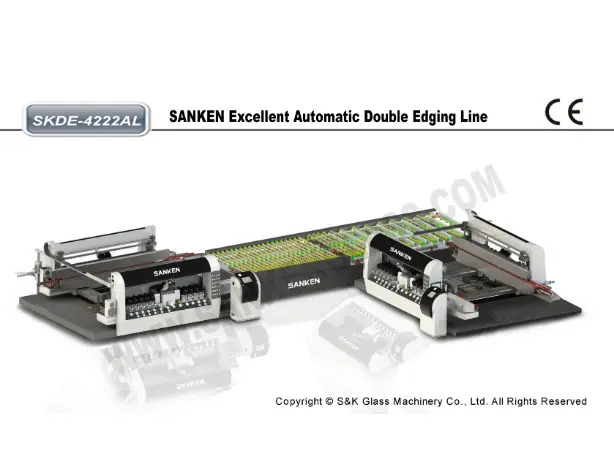
An edge polishing machine for glass is specialized equipment designed to grind, smooth, and polish the edges of glass sheets, creating safe, visually appealing, and structurally sound finishes. Unlike manual polishing, which is labor-intensive and inconsistent, these machines automate the process, delivering precision and efficiency. They're essential in industries where glass quality is non-negotiable, such as architecture, furniture, and automotive manufacturing.
The edge polishing process typically involves multiple stages: rough grinding to shape the edge, fine grinding to smooth it, and polishing to achieve a glossy, professional finish. Common edge types include flat polished edges (straight and smooth), pencil edges (rounded), beveled edges (angled for decorative effect), and arris finishes (small chamfers for safety). By removing sharp edges and micro-cracks, these machines enhance glass safety and strength, making them indispensable for both functional and aesthetic applications. Leading brands like Schiatti Angelo and Zafferani offer models tailored to various production needs, ensuring there's a machine for every workshop.
Types of Edge Polishing Machines for Glass
Edge polishing machines come in various types, each suited to specific glass processing tasks. Understanding these options helps you choose the right equipment for your needs. Here's a breakdown of the main types:
Straight-Line Edging Machines
These machines are the workhorses of glass edging, designed for flat edges and 45-degree arris finishes. They're ideal for architectural glass, such as windows, balustrades, and shower enclosures. Models like the GM9 or GM11 from GTM Glass Machinery feature multiple spindles for sequential grinding and polishing, ensuring consistent results. They're perfect for shops handling standard glass sheets.
Double-Edging Machines
For high-volume production, double-edging machines polish two opposing edges simultaneously, doubling efficiency. These are popular in large-scale glass fabrication for furniture or construction. Jordon Glass Machinery's double-edger lines, for example, can process large panels quickly, making them a favorite for industrial applications.
Shape Edging Machines
When working with irregular shapeslike circular mirrors, oval tabletops, or custom decorative glassshape edging machines are the go-to choice. The DS1 from Jordon Glass Machinery excels at handling curves and contours, offering flexibility for bespoke projects. These machines are essential for glass shops specializing in custom designs.
Portable Edge Polishers
Small workshops or on-site projects benefit from portable edge polishers, which are compact and often semi-automatic. The SANKEN portable glass edge grinder for small workshops is lightweight and versatile, allowing operators to polish edges without heavy machinery. While less powerful than industrial models, they're cost-effective for low-volume tasks.
Vertical vs. Horizontal Machines
Vertical machines, like the LiSEC EPS-A, save floor space and are flexible for varying glass thicknesses, making them ideal for smaller shops. Horizontal machines, on the other hand, handle large glass sheets and are built for high-capacity production. The choice depends on your workspace and output requirements.
Spindle counts also vary4-spindle machines suit basic edging, while 15-spindle models offer precision for complex finishes. By matching the machine type to your project demands, you can optimize both quality and efficiency.
Key Features to Look for in an Edge Polishing Machine
Selecting the right edge polishing machine requires evaluating key features that impact performance, versatility, and ease of use. Here's what to prioritize:
Spindle Configuration
Machines with 8-15 spindles handle multi-step processes (rough grinding, fine grinding, polishing) in one pass, improving speed and precision. Fewer spindles (e.g., 4) are sufficient for simpler tasks.
Wheel Types
Diamond wheels are used for rough grinding, resin wheels for fine grinding, and cerium, BK, or BD wheels for final polishing. Ensure the machine supports a range of wheel types for flexibility.
Automation and CNC Integration
Advanced machines feature PLC controls or CNC systems for automated tool changes and precise settings. This reduces operator error and ensures consistent results.
Conveyor Systems
Reliable conveyors, such as timing belts or ball-bearing systems, ensure smooth glass movement, preventing scratches or misalignment.
Cooling Systems
Water jets cool the glass and remove dust during polishing, maintaining wheel performance and delivering clean finishes.
Adjustability
Look for machines that handle various glass thicknesses (e.g., 3/16 to 7/8) and edge types (flat, pencil, beveled) to meet diverse project needs.
Durability
Components from trusted brands like Schneider Electric or ABB motors ensure long-term reliability.
A checklist of these features can simplify your decision-making, ensuring you invest in a machine that aligns with your production goals.
Applications of Glass Edge Polishing Machines
Edge polishing machines are versatile tools with applications across multiple industries. Here's how they're used:
Architectural Glass
Polished edges are essential for glass balustrades, shower enclosures, and building facades, ensuring safety and a premium look.
Furniture Industry
Glass tabletops, shelves, and cabinet doors rely on polished edges for elegance and durability, enhancing showroom appeal.
Automotive and Aerospace
Precision edging for windshields, side windows, and aircraft glazing ensures structural integrity and clarity.
Optics and Eyewear
Polishing lens edges for rimless glasses requires high-precision machines to achieve flawless finishes.
Mirrors and Decorative Glass
Custom shapes and polished edges are critical for mirrors, art glass, and decorative panels used in interior design.
Low-E Glass Processing
Some machines offer film deletion capabilities, enabling precise edging for energy-efficient glass used in modern buildings.
Benefits of Using Edge Polishing Machines
Investing in an edge polishing machine offers significant advantages for glass fabricators:
Enhanced Safety
Polished edges eliminate sharp surfaces, reducing injury risks during handling, installation, or use.
Improved Aesthetics
Glossy, smooth edges elevate the visual appeal of glass products, appealing to high-end clients.
Increased Durability
By removing micro-cracks, polishing strengthens glass edges, reducing the likelihood of chipping or cracking.
Efficiency
Automated machines process edges faster than manual methods, boosting productivity and reducing labor costs.
Versatility
Modern machines produce various edge types (flat, pencil, beveled) in a single pass, accommodating diverse projects.
Consistency
CNC and automation ensure uniform finishes across large batches, maintaining quality standards.
As one industry expert noted, A reliable edge polisher is a game-changer for glass shops, delivering professional results that keep clients coming back. These benefits make the machines a worthwhile investment for businesses of all sizes.
SANKEN Portable Glass Edge Grinding Machine: A Closer Look
SANKEN's portable glass edge grinder stands out in the market thanks to its innovative features and cost-effectiveness. Designed for small workshops and on-site projects, SANKEN's portable grinder offers the best of both worlds: portability and precision.
Features
- Ease of Use: Compact and lightweight, the SANKEN portable glass edge grinder is designed for quick setup and easy operation. Its user-friendly interface makes it ideal for beginners and experienced operators alike.
- Versatility: With multiple spindle configurations, SANKEN's grinder can handle various edge types, including flat, pencil, and beveled edges. The machine accommodates glass thicknesses ranging from 3/16 to 7/8, making it suitable for a wide variety of projects.
- Longevity: Built with high-quality components from trusted brands, SANKEN's portable grinder offers exceptional durability. The spindle system ensures minimal wear and tear, reducing maintenance needs and extending the machine's lifespan.
- Cooling System: Equipped with an efficient cooling system, the grinder maintains a clean and consistent finish during prolonged use. The water-based cooling removes dust and maintains wheel integrity, ensuring optimal performance.
- Water Cooling: SANKEN's portable glass edge grinder includes a built-in water cooling system, reducing heat buildup and extending the life of the grinding wheels. This ensures consistent edge quality, even during long work sessions.
Cost-Effective Solutions
SANKEN's portable edge grinding machines are designed to save time and money in several ways:
Reduced Labor Costs
Manually grinding and polishing glass edges is time-consuming and labor-intensive. SANKEN's portable grinder significantly reduces the time needed for this process, resulting in lower labor costs. With a single operator able to handle multiple edges simultaneously, the machine streamlines the production process and improves overall efficiency.
Maintenance and Operational Efficiency
SANKEN's grinder requires minimal maintenance, with easy-to-clean components and a low wear rate. This reduces downtime and ensures consistent performance throughout its lifespan. Regular cleaning and the occasional replacement of worn-out parts are all that's required to keep the machine running smoothly.
Versatile Applications
SANKEN's machine is highly versatile, able to handle various glass sizes and edge types. Whether you're working on small, intricate pieces or large-scale projects, the portable grinder can adapt to your needs, offering a flexible solution for any workshop.
Real-World Success Stories
To better understand the benefits of the SANKEN portable glass edge grinder, consider these real-world examples:
Case Study 1: Small Workshop
A furniture manufacturer with minimal space found that the SANKEN portable grinder was perfect for their needs. The compact design allowed them to set up the machine in a confined area, while the precision and consistency of the grinder ensured high-quality edges on their glass furniture pieces. Within months of adopting the tool, they reported significant savings in labor costs and time, allowing them to take on more projects without expanding their workforce.
Case Study 2: DIY Enthusiast
A DIY enthusiast specializing in custom glass pieces for decor projects found that the SANKEN portable grinder provided the flexibility and precision needed for their work. The machine's easy clean-up and compact size made it ideal for use in their home workshop. They were able to produce polished edges quickly and efficiently, with results that met professional standards. The portable nature of the machine allowed them to take it to various sites, ensuring consistent quality in their diverse projects.
Choosing the Right Portable Glass Edge Grinding Machine
Selecting the best portable glass edge grinding machine requires aligning your purchase with your production needs. Here's a step-by-step guide:
Assess Production Needs
Small shops may opt for portable or 4-spindle machines, while larger fabricators need 10-15 spindle or double-edging models for high output. Portability is key for small workshops, while larger operations may prefer the robustness of fixed setups.
Glass Size and Thickness
Ensure the machine supports your typical glass dimensions, from small panels (1x1) to large sheets. Flexibility in handling different sizes and thicknesses is crucial for versatility.
Edge Type Requirements
Select a machine capable of producing the edge finishes your projects demand, such as flat, pencil, or beveled edges. SANKEN's portable grinder can handle all these types efficiently, making it a versatile choice.
Budget Considerations
Entry-level machines are more affordable but may lack advanced features. SANKEN offers cost-effective models with essential features, ensuring value for money. Consider used machines from reputable suppliers for additional cost savings.
Space Constraints
Vertical machines suit compact workshops, while horizontal models are better for spacious facilities. SANKEN's portable grinder offers the flexibility of a vertical setup, with minimal space requirements.
Brand and Support
Choose trusted brands with strong after-sales service and readily available spare parts. SANKEN provides comprehensive support and reliable service, ensuring you can rely on your machine for years to come.
Maintenance Needs
Opt for machines with accessible components and clear maintenance guidelines to minimize downtime. SANKEN's portable grinder is built with maintainability in mind, reducing the need for complex maintenance routines.
Conclusion
Investing in a high-quality portable glass edge grinding machine, such as SANKEN's model, can significantly enhance your glass processing capabilities. By automating the edge grinding process, these machines save time, reduce labor costs, and ensure consistent quality across your projects.
The SANKEN portable glass edge grinder is the ideal solution for small workshops and DIY enthusiasts looking to elevate their glass finishing game. Its portable design, precision, and reliability make it a valuable addition to any glass processing operation. Whether you're crafting elegant furniture pieces or custom architectural elements, this machine delivers professional results every time.
By choosing the right model and ensuring proper maintenance, you can enjoy the cost savings and efficiency benefits of a portable edge grinding machine for years to come. Embrace the future of glass processing with SANKEN and take your craftsmanship to the next level.
Table of Contents
- 3.2Wheel Types
- 3.7Durability
- 5.4Efficiency
- 5.5Versatility
- 5.6Consistency
- 6.1Features
- 6.2.1Reduced Labor Costs
- 6.4.5Space Constraints
- 6.4.6Brand and Support
- 6.4.7Maintenance Needs
GET IN TOUCH WITH Us
recommended articles
SANKEN Glass Machinery is a Guangzhou-based manufacturer and international supplier of glass-processing machinery and complete production-line solutions.
Useful Links
Products
Contact Us
Contact: Dalia Qiu
Tel: +86 15994813914
Landline: +86-20-82347228
Email: sales@sankenglass.com
WhatsApp: +86 15994813914
ADD: No.2, Xinghai Road, Lanhe, Nansha District, Guangzhou City, China. P.C 511480
Copyright © 2026 Guangzhou Sanken Glass Machinery Co., Ltd.| Sitemap