Please fill out the form below to request a quote or to request more information about us. please be as detailed as possible in your message, and we will get back to you as soon as possible with a response. we're ready to start working on your new project, contact us now to get started.
Exporting glass-processing machinery since 2002, with international project support from planning to installation and training.
What to Look for When Buying a Glass Washing Machine
2026-07-12
SANKEN
13
Glass washing machines play an essential role in the glass fabrication industry, ensuring clean, high-quality glass ready for further processing. Different types of glass washing machines cater to various industries, from architectural glazing to beverage and restaurant operations. This article will help you understand the key factors to consider when purchasing a glass washing machine, specifically focusing on the SANKEN brand and its offerings.
Introduction
In the glass fabrication process, cleaning is a crucial step to ensure that the glass surfaces are free from impurities before proceeding to further processing, such as tempering, lamination, or coating. A glass washing machine is designed to efficiently clean and dry flat glass sheets, ensuring they are ready for subsequent steps. The proper selection of a glass washing machine can lead to productive manufacturing operations, increased efficiency, and cost savings.
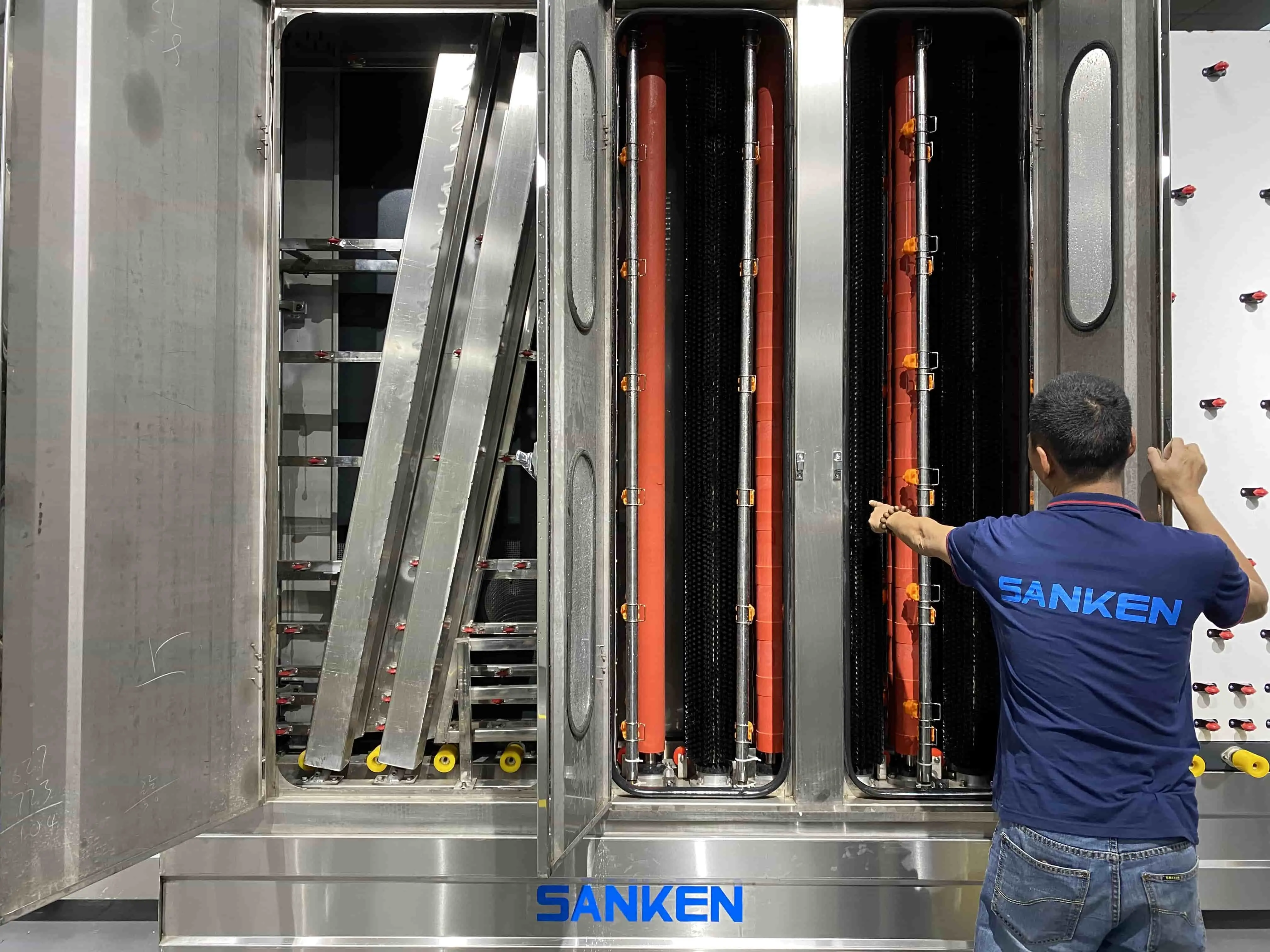
What Is a Glass Washing Machine?
A glass washing machine is a machine designed to clean and dry flat glass sheets, ensuring they are free of impurities and ready for further processing. These machines can handle various types of glass, from low-E glass to insulated glass units, and are crucial in maintaining the quality and consistency of the final product.
Types of Glass Washing Machines
There are two main types of glass washing machines: vertical and horizontal. Each type is designed to cater to specific needs and applications.
Vertical Washing Machines
Vertical glass washing machines are configured with separate areas for washing and drying. The glass passes through a series of brushes to clean the surface before entering the drying zone. These machines are commonly used in glass fabrication operations due to their efficient cleaning and drying capabilities.
Advantages of Vertical Machines
- Efficient Cleaning: High-quality brushes and rollers ensure thorough cleaning.
- Compact Design: Requires less floor space compared to horizontal machines.
- Customization: Offers various configurations to fit different production needs.
- Suitable for Specific Applications: Ideal for insulated glass units, laminated glass, and high-volume production.
Horizontal Washing Machines
Horizontal glass washing machines are popular in industries where glass surfaces need to be cleaned thoroughly before further processing. These machines are ideal for operations requiring stand-alone washing capabilities or integrating into production lines.
Advantages of Horizontal Machines
- Flexibility: Can be integrated into existing production lines.
- Low Scratching Risk: Reduces the risk of glass scratches during the washing process.
- Efficient Drying: Use of air knives or sponges to dry glass more effectively.
- Cost-Effective: Suitable for businesses with space limitations or specific cleaning needs.
Comparison of Vertical and Horizontal Machines
When choosing between vertical and horizontal washing machines, consider the following factors:
| Factor | Vertical Machines | Horizontal Machines |
|---|---|---|
| Floor Space | Conserve space | May require more floor space |
| Production Needs | Ideal for high-volume production | Suitable for flexible production lines |
| Scratch Risk | Moderate risk | Lower risk of scratching |
| Integration | Customizable | Easily integrated into existing lines |
| Noise Level | Lower | Higher noise level |
Key Considerations Before Buying
Before purchasing a glass washing machine, it's essential to evaluate your business needs and requirements.
Understanding Your Business Needs
- Production Volume: Evaluate the volume of glass sheets that need washing.
- Glass Size: Consider the size range of glass sheets you will be processing.
- Automation: Determine the level of automation required for your operations.
Size and Throughput Requirements
The size and throughput capacity of the machine should align with your production needs.
Glass Washer Size
- Width and Length: Ensure the machine can accommodate the largest glass sheets you will be processing.
- Loading and Unloading Areas: Consider the convenience of loading and unloading zones to ensure efficient workflow.
Throughput Capacity
- Rinsing Power: Look for machines that offer powerful rinsing and drying capabilities.
- Reliability: Machines with reliable rinsing power can handle higher throughput.
Budget Considerations
Budget plays a crucial role in selecting a glass washing machine.
Budget Constraints
- Operating Costs: Consider running costs such as water, electricity, and maintenance.
- Initial Investment: Compare the initial cost with long-term operational savings.
Total Cost of Ownership (TCO)
- Maintenance: Regular cleaning and maintenance will reduce downtime.
- Reputable Brands: Invest in a machine from a reliable brand for long-term benefits.
Importance of Brand and Reputation
Choosing a reputable and established brand like SANKEN is crucial for ensuring quality, reliability, and long-term operation.
Why Brand Reputation Matters
- Quality Assurance: A well-established brand ensures high-quality machines designed to meet industry standards.
- Customer Support: Strong brands provide excellent after-sales support, including regular maintenance and repair services.
- Track Record: Reputation builds trust, and a reputable brand is more likely to offer reliable, durable products.
SANKEN Glass Washing Machines
SANKEN is a leading manufacturer known for its reliable and robust glass washing machines. Their machines are known for high cleaning efficiency and longevity.
Why Choose SANKEN?
- Expertise: SANKEN has decades of experience in manufacturing glass washing machines.
- Quality Standards: SANKEN machines meet the highest industry standards, ensuring consistent performance.
- Customer Satisfaction: Real success stories and positive feedback from customers validate SANKEN's reputation.
Features to Look for in a Glass Washing Machine
Selecting the right features can enhance the efficiency and effectiveness of your glass washing process.
Automation
- Smart Controls: Look for machines with intelligent controls that adjust automatically based on glass thickness.
- On-the-Fly Adjustments: Advanced machines can adjust brushes, air knives, and drive rollers to accommodate different glass thicknesses seamlessly.
Drying Process
- Air Knife or Sponge Drying: Compare the drying process used by different machines.
- Maintenance: Regular cleaning and maintenance ensure the drying process remains efficient.
Durability and Maintenance
- Stainless Steel Construction: Choose machines with stainless steel construction to ensure durability.
- Easy Maintenance: Look for machines designed for easy cleaning and maintenance to reduce downtime.
Price and Cost-Effectiveness
- Initial Cost: Compare the initial investment required for different machines.
- Operational Cost: Ensure the washing machine is cost-effective in the long run by considering water usage, electricity consumption, and maintenance costs.
- Life Cycle Cost: Evaluate the total cost over the machine's lifespan, including purchase price, operational costs, and maintenance costs.
Warranty and Support
- Warranty Period: Look for machines with a generous warranty period to cover potential defects and mechanical failures.
- After-Sales Service: Ensure the manufacturer provides prompt and comprehensive after-sales support.
Best Practices for Maintenance
Regular maintenance is essential to ensure the longevity and optimal performance of your glass washing machine.
Regular Maintenance Routines
- Regular Cleaning: Clean the machine regularly to prevent the buildup of dirt and residue.
- Filter Replacement: Replace filters as recommended to maintain water quality.
Tips for Extending Machine Life
- Follow Manufacturer Guidelines: Adhere to recommended maintenance schedules and procedures.
- Proper Handling: Handle the machine carefully to prevent damage.
- Regular Servicing: Schedule regular servicing with authorized technicians.
Conclusion
When purchasing a glass washing machine, careful consideration of business needs, machine type, and brand reputation can lead to a more productive and efficient operation. SANKEN's washing machines are a reliable choice, offering advanced features, durability, and excellent customer support.
Key Takeaways
- Understand Your Needs: Evaluate your business requirements and production volume.
- Choose the Right Type: Vertical or horizontal machines cater to different needs.
- Consider Budget: Factor in both initial and long-term operational costs.
- Invest in Reliability: Choose a reputable brand like SANKEN for quality and support.
- Look for Advanced Features: Automation and durable construction improve efficiency and longevity.
- Regular Maintenance: Ensure proper maintenance to maximize the machine's lifespan.
We hope this guide helps you make an informed decision and leads to successful glass washing operations in your business.
Table of Contents
- 3.2.1Glass Washer Size
- 3.2.2Throughput Capacity
- 3.3.1Budget Constraints
- 4.2.1Why Choose SANKEN?
- 5.1Automation
GET IN TOUCH WITH Us
recommended articles
SANKEN Glass Machinery is a Guangzhou-based manufacturer and international supplier of glass-processing machinery and complete production-line solutions.
Useful Links
Products
Contact Us
Contact: Dalia Qiu
Tel: +86 15994813914
Landline: +86-20-82347228
Email: sales@sankenglass.com
WhatsApp: +86 15994813914
ADD: No.2, Xinghai Road, Lanhe, Nansha District, Guangzhou City, China. P.C 511480
Copyright © 2026 Guangzhou Sanken Glass Machinery Co., Ltd.| Sitemap