Please fill out the form below to request a quote or to request more information about us. please be as detailed as possible in your message, and we will get back to you as soon as possible with a response. we're ready to start working on your new project, contact us now to get started.
Exporting glass-processing machinery since 2002, with international project support from planning to installation and training.
What's the Difference Between Manual and CNC Round Glass Grinding Machines?
2026-08-05
SANKEN
50
The glass industry heavily relies on grinding machines to produce precision edges and surfaces for various applications, from architectural glass to automotive windows. Understanding the differences between manual and CNC (Computer Numerical Control) round glass grinding machines is crucial for manufacturers and businesses looking to improve their production processes. This article delves into the distinctions between these two types of machines, highlighting their advantages, disadvantages, and applications.
Introduction
Overview of Round Glass Grinding Machines
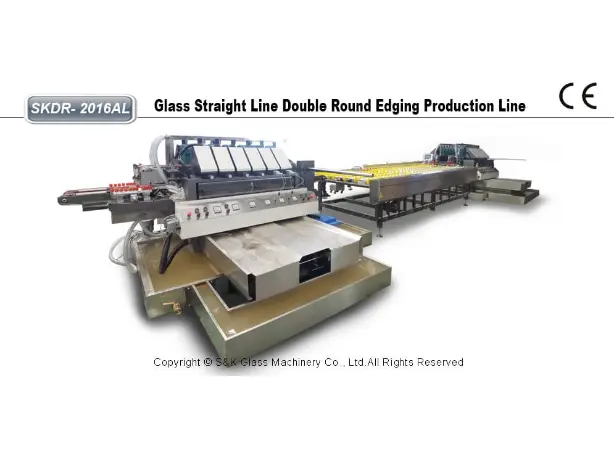
Round glass grinding machines are essential tools in the glass industry, used primarily for shaping and polishing glass edges to achieve smooth, precise, and consistent finishes. They are employed in various applications, including architectural glass, automotive windows, and custom glass products.
Importance in the Glass Industry
Precision is the hallmark of any glass product, and the quality of the edges significantly impacts the overall durability, safety, and aesthetic appeal of the glass. Grinding machines play a vital role in achieving these high standards by removing excess material and smoothing out rough edges.
Background of Manual and CNC Machines
Manual round glass grinding machines have been the standard in many workshops for decades. However, the advent of CNC technology has revolutionized the industry. Let's explore how these two types of machines compare.
Manual Round Glass Grinding Machines
Overview of Manual Machines
Manual round glass grinding machines are operated by human workers, who control the grinding process by hand. These machines typically consist of grinding wheels or belts driven by motors, which the operator adjusts manually to apply the desired pressure and speed.
Key Advantages
Manual machines offer several advantages:
- Lower Initial Cost: Manual machines are generally less expensive to purchase and maintain compared to CNC machines.
- Ease of Setup: Setup and adjustment of manual machines are straightforward and do not require advanced programming.
- Flexibility: Manual machines can handle a wide range of glass sizes and shapes, making them versatile for small production runs or custom orders.
Key Disadvantages
However, there are several drawbacks to consider:
- Variable Precision: Precision is heavily dependent on the skill and experience of the operator, leading to inconsistencies and potential quality issues.
- Manual Labor Intensive: Operating manual machines requires a significant amount of labor, which can increase production costs and limit productivity.
- Safety Concerns: Manual operation poses risks to the operator, and proper training and safety measures are essential.
Applications
Manual round glass grinding machines are ideal for small-scale production and custom work. They are commonly used in workshops that require flexibility and can tolerate some variability in precision.
CNC Round Glass Grinding Machines
Overview of CNC Machines
CNC round glass grinding machines operate under computer control, allowing for precise and consistent grinding operations. The machines are programmed to execute specific commands for grinding, polishing, and other processes, ensuring uniformity and accuracy.
Key Advantages
The key advantages of CNC machines are:
- High Precision: CNC machines can achieve extremely fine tolerances, ensuring consistent and repeatable results.
- Efficiency and Productivity: Automated operations in CNC machines reduce downtime and increase throughput, leading to higher productivity.
- Repeatability: Once a process is programmed, it can be replicated consistently, reducing variability and errors.
- Safety: CNC machines minimize the risk to operators by automating the grinding process, reducing manual handling and potential injuries.
Key Disadvantages
Despite their numerous benefits, CNC machines have some disadvantages:
- Higher Initial Cost: CNC machines are more expensive to purchase and maintain compared to manual machines.
- Complex Setup: Programming and setup require specialized knowledge and training, which can be time-consuming and costly.
- Maintenance Requirements: Regular maintenance is crucial to ensure optimal performance, and technical issues may arise requiring advanced troubleshooting.
Applications
CNC round glass grinding machines are best suited for large-scale production and industrial applications where precision and consistency are critical. They are widely used in the architectural glass industry, automotive manufacturing, and other industries that require high-quality, consistent glass products.
Comparison Between Manual and CNC Machines
Technical Differences
- Precision: CNC machines offer higher precision due to their automated control systems, whereas manual machines rely on human intervention, leading to variable results.
- Speed and Throughput: CNC machines are faster and more efficient, with fewer operational interruptions and higher productivity.
- Maintenance: CNC machines require specialized maintenance, whereas manual machines generally need less technical expertise.
Cost Implications
- Capital Investment: CNC machines are more expensive upfront but can offer long-term cost savings through increased efficiency and reduced labor.
- Operating Costs: Manual machines may have lower operating costs in the short term but higher labor costs.
- Total Cost of Ownership: Over the long term, the total cost of ownership for CNC machines is often lower due to higher productivity and labor savings.
Maintenance and Operation
- Operator Skills: Manual machines require skilled operators, which may be harder to find and train, while CNC machines require less labor but higher technical expertise.
- Flexibility: Manual machines can handle a wider range of materials and sizes, whereas CNC machines are more specific and limited to their programmed operations.
Use Cases
- Custom and Small-Scale Production: Manual machines are ideal for custom work and smaller production runs.
- Large-Scale and Industrial Production: CNC machines excel in large-scale operations where consistency and high precision are required.
. FAQs
Common Questions and Answers
- Q: What is the expected lifespan of CNC machines compared to manual machines?
A: CNC machines generally have a longer lifespan due to their robust construction and automated maintenance features. They are designed for continuous operation and can last for many years with proper care.
Q: Can I retrofit my existing manual machine with CNC capabilities?
A: Retrofitting existing manual machines with CNC capabilities is possible but often complex and expensive. Professional assistance is necessary to assess the feasibility and cost-effectiveness.
Q: How do I choose between manual and CNC machines?
- A: The choice depends on your specific needs. Consider factors such as production volume, precision requirements, budget, and available expertise. If you need consistent, high-precision products and can afford the initial investment, a CNC machine is the better choice. For smaller-scale, more flexible operations, a manual machine is more suitable.
Conclusion
Both manual and CNC round glass grinding machines have their unique advantages and limitations. Manual machines are more flexible and cost-effective for small-scale operations, while CNC machines offer unparalleled precision, efficiency, and productivity for larger-scale production. By understanding these differences, manufacturers can make informed decisions to optimize their glass processing operations.
At SANKEN, we specialize in providing high-quality, reliable round glass grinding machines tailored to your specific needs. Whether you choose a manual or CNC machine, we ensure top-notch performance, precision, and durability to support your glass processing applications.
SANKEN's machines are recognized for their innovation, precision, and reliability. Our commitment to customer satisfaction, combined with our expertise in glass processing technologies, makes us a trusted choice for businesses in the glass industry.
Table of Contents
- 2.4Applications
- 3.4Applications
- 4.4Use Cases
- 5.. FAQs
GET IN TOUCH WITH Us
recommended articles
SANKEN Glass Machinery is a Guangzhou-based manufacturer and international supplier of glass-processing machinery and complete production-line solutions.
Useful Links
Products
Contact Us
Contact: Dalia Qiu
Tel: +86 15994813914
Landline: +86-20-82347228
Email: sales@sankenglass.com
WhatsApp: +86 15994813914
ADD: No.2, Xinghai Road, Lanhe, Nansha District, Guangzhou City, China. P.C 511480
Copyright © 2026 Guangzhou Sanken Glass Machinery Co., Ltd.| Sitemap