Please fill out the form below to request a quote or to request more information about us. please be as detailed as possible in your message, and we will get back to you as soon as possible with a response. we're ready to start working on your new project, contact us now to get started.
Exporting glass-processing machinery since 2002, with international project support from planning to installation and training.
What Defines a Clean Cut from a Laser Glass Cutter?
2026-08-20
SANKEN
53
Laser glass cutting has become an increasingly popular method for achieving precise and clean cuts in various glass applications. At the forefront of this technology is SANKEN, known for its reliable and efficient laser glass cutters. This article will delve into the nuances of achieving clean cuts, focusing on the key factors, best practices, and specific settings to ensure optimal results, particularly with the SANKEN laser glass cutter for tempered glass and the best settings for cutting 10mm glass.
Introduction
Achieving a clean cut in laser glass cutting is essential for maintaining the integrity and aesthetic quality of glass products. Clean cuts not only enhance the visual appeal of glass but also ensure that the edges are safe and functional. This is particularly important in industries where precision and reliability are critical, such as architectural, automotive, and industrial applications. SANKEN's laser glass cutter is designed to deliver clean, accurate cuts with minimal kerf and virtually no chipping.
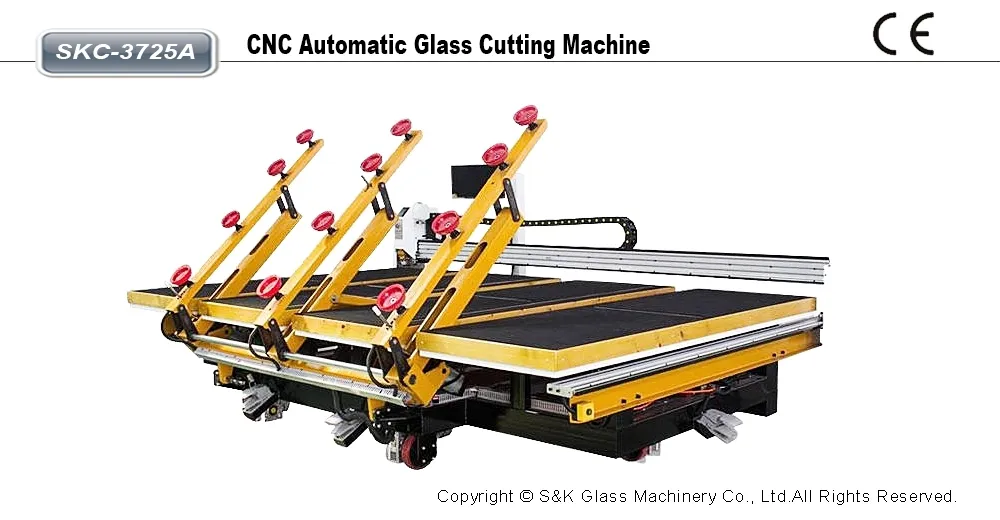
Understanding the Laser Glass Cutting Process
The laser glass cutting process involves using a focused laser beam to cut through glass materials. This process can be broken down into several key steps:
- Material Preparation: Ensure that the glass is clean and free from debris or contaminating particles.
- Laser Focusing: Adjust the focus lens to achieve the optimal beam diameter and power density.
- Beam Delivery: Direct the laser beam onto the glass, typically with the help of mirrors and lenses.
- Material Removal: The laser beam melts and vaporizes the glass, creating a narrow kerf that cleanly separates the material.
Importance of Precision and Accuracy
Precision and accuracy are key to achieving clean cuts in laser glass cutting. The laser cutter must be calibrated to ensure that the beam is focused correctly and that the cutting speed and power are consistent. Any deviation can lead to inconsistent cuts and poor edge quality. SANKEN's advanced optics and precision control systems ensure that the laser beam is delivered with high precision, minimizing errors and maximizing consistency.
Factors Affecting Clean Cuts
Several factors influence the quality of cuts produced by a laser glass cutter, including material type, cutting speed, power settings, and gas flow. Understanding these factors is crucial for achieving clean edges.
Material Type
The type of glass material being cut can significantly impact the quality of the cuts. For example:
- Tempered Glass: This type of glass is stronger and more resistant to thermal stress, making it ideal for applications requiring high strength and durability.
- Float Glass: Standard float glass, also known as annealed glass, is commonly used in architectural and industrial applications.
- Borosilicate Glass: This type of glass has a lower coefficient of thermal expansion, making it suitable for scientific and industrial use.
Cutting Speed
The cutting speed of the laser beam affects the thermal energy input into the glass. Higher speeds can minimize thermal effects, reducing the risk of thermal damage and ensuring cleaner cuts. However, the speed must be balanced with the power output to achieve optimal results.
Power Settings
The power level of the laser beam is critical in determining the quality of the cut. Higher power settings can produce cleaner cuts by quickly melting and vaporizing the glass, minimizing thermal damage. The power settings must be adjusted based on the material thickness and cutting speed to achieve optimal results.
Gas Flow
The gas flow controls the laser beam's interaction with the glass, affecting the cutting quality and edge finish. The most common gases used in laser glass cutting are nitrogen and oxygen, which help prevent oxidation and improve cut quality.
Importance of Clean Edges
Clean edges are crucial for the performance and appearance of finished glass products. Here are some key reasons why clean edges are important:
Aesthetic Appeal
Clean cuts ensure that the edges of the glass are smooth and polished, enhancing the overall aesthetic appeal of the product. This is particularly important in architectural glass, where clean edges contribute to the overall design and visual impact.
Structural Integrity
Clean cuts also enhance the structural integrity of the glass, making it more resistant to thermal stress and mechanical stress. This is crucial in applications such as architectural glass where durability and safety are paramount.
Industrial Applications
In automotive and industrial applications, clean cuts are essential for ensuring that the glass meets the required standards for strength and durability. Clean edges minimize the risk of chipping and cracking, making the glass safer and more reliable.
SANKEN Laser Glass Cutter for Tempered Glass
SANKEN's laser glass cutter is specifically designed to handle the demands of tempered glass, a material known for its strength and durability. Here are some key features that make SANKEN's cutter ideal for clean cuts:
Precision Control
SANKEN's laser glass cutter features advanced precision control systems, including high-resolution laser diodes and precision focusing lenses. These systems ensure that the laser beam is delivered with the highest accuracy possible, minimizing errors and ensuring clean cuts.
Advanced Optics
The advanced optics in SANKEN's laser glass cutter optimize the laser beam's delivery, ensuring that the beam is focused correctly and efficiently. This results in a precise and narrow kerf, minimizing material loss and maximizing cut quality.
Automated Systems
SANKEN's laser glass cutter is equipped with automated systems that can adjust the cutting parameters in real-time, based on the material type and thickness. This ensures that the cutter can handle a wide range of glass materials and thicknesses, achieving clean cuts consistently.
Software Features
The software used with SANKEN's laser glass cutter provides real-time feedback and control, allowing operators to monitor and adjust the cutting process continuously. This ensures that the cuts are precisely controlled and that any deviations can be quickly corrected.
Mechanical Stabilization
SANKEN's laser glass cutter features advanced mechanical stabilization systems that minimize vibrations and ensure stable operation. This is critical for achieving clean cuts, as even small vibrations can affect the quality of the cuts.
Best Settings for Clean Cuts on 10mm Glass
Achieving clean cuts on 10mm glass requires precise settings for the laser cutter. Below is a table of recommended settings for optimal results:
| Setting | Recommended Value (10mm Glass) |
|---|---|
| Speed | 100-150 mm/s |
| Power | 40-50% |
| Gas Flow | 20 l/min |
Detailed Explanation
Speed: The cutting speed should be set between 100-150 mm/s to ensure that the laser beam has sufficient time to melt and vaporize the glass without introducing thermal stress.
Power: The power level should be set between 40-50% of the laser cutter's maximum power. Higher power levels can produce cleaner cuts, but they can also introduce thermal damage if the speed is too high.
Gas Flow: A gas flow rate of 20 l/min is recommended to provide adequate protection against oxidation and to assist in the removal of debris. The gas flow should be adjusted based on the material thickness and cutting speed to ensure optimal cutting quality.
Tips for Achieving Optimal Results
To achieve the best results with a SANKEN laser glass cutter, follow these practical tips:
Material Preparation
- Ensure Cleanliness: Clean the glass surface thoroughly before cutting to remove any dust or debris.
- Alignment: Use alignment tools to ensure that the glass is properly positioned and aligned with the cutting path.
Cutting Speed
- Optimal Speed: Maintain an optimal cutting speed to balance the power and speed to achieve clean cuts without thermal damage.
- Speed Variations: Consider using speed variations to achieve consistent cuts in different areas of the glass.
Power Adjustments
- Adjust Power: Periodically adjust the power level to account for changes in material thickness or cutting conditions.
- Calibration: Regularly calibrate the laser cutter to ensure that the power output is consistent and accurate.
Gas Flow
- Gas Monitoring: Monitor the gas flow continuously to ensure that it is consistent and sufficient.
- Flow Adjustments: Make small adjustments to the gas flow rate to optimize the cutting quality.
Regular Maintenance
- Maintenance Checks: Perform regular maintenance checks on the laser cutter to ensure that all components are functioning correctly.
- Calibration: Calibrate the laser cutter periodically to maintain optimal performance and accuracy.
Conclusion
In summary, clean cuts in laser glass cutting are achieved through a combination of precise control, optimal settings, and regular maintenance. SANKEN's laser glass cutter is designed to deliver consistent and clean cuts, making it the ideal choice for users seeking high-quality results in glass applications.
Table of Contents
recommended articles
SANKEN Glass Machinery is a Guangzhou-based manufacturer and international supplier of glass-processing machinery and complete production-line solutions.
Useful Links
Products
Contact Us
Contact: Dalia Qiu
Tel: +86 15994813914
Landline: +86-20-82347228
Email: sales@sankenglass.com
WhatsApp: +86 15994813914
ADD: No.2, Xinghai Road, Lanhe, Nansha District, Guangzhou City, China. P.C 511480
Copyright © 2026 Guangzhou Sanken Glass Machinery Co., Ltd.| Sitemap