Please fill out the form below to request a quote or to request more information about us. please be as detailed as possible in your message, and we will get back to you as soon as possible with a response. we're ready to start working on your new project, contact us now to get started.
Exporting glass-processing machinery since 2002, with international project support from planning to installation and training.
How to Maintain Your Drilling Machine for Glass
2026-08-04
SANKEN
8
Maintaining your drilling machine for glass is crucial for ensuring optimal performance, reducing downtime, and extending its lifespan. Regular maintenance helps prevent issues from developing into major problems, which can save you time and money in the long run. In this article, we'll provide you with a comprehensive guide on how to maintain your SANKEN glass drilling machine for longevity, including troubleshooting and repair steps.
Importance of Maintenance for SANKEN Glass Drilling Machine
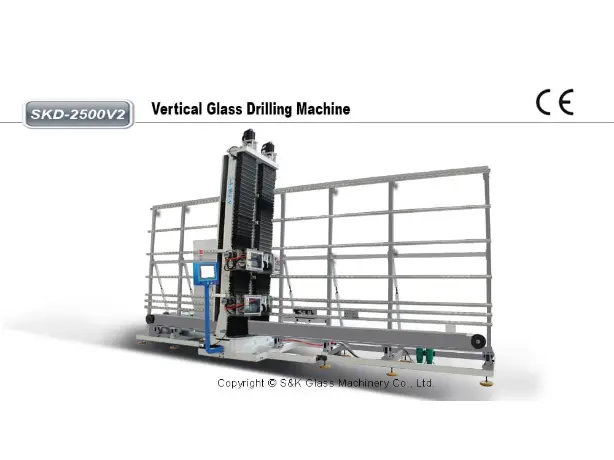
A SANKEN glass drilling machine is a precision tool designed to drill holes into glass sheets with accuracy and efficiency. Proper maintenance is essential to maintain its optimal performance, reduce downtime, and ensure a high-quality production output. Regular maintenance also helps prevent costly repairs and extends the lifespan of the machine, thereby maximizing your return on investment (ROI).
Basic Maintenance Tips
Cleaning and Lubrication
- Clean the Machine
- Regular Cleaning: Clean the machine regularly to remove dust, debris, and oil residues. Use a soft-bristled brush or vacuum cleaner to remove loose particles.
Cleaning Fluids: Apply a suitable lubricating fluid to flush out excess dirt and dust. Ensure the fluid is compatible with the machine type.
Lubricate Moving Parts
- Lubricating Oil: Apply lubricating oil to the machine's moving parts such as gears, bearings, and spindles. This reduces friction and prolongs their lifespan.
- Frequency: Lubricate moving parts every 100 hours of operation to ensure smooth operation.
Tool Inspection
- Visual Checks
Inspect the cutting tools, drill bits, and collets for any signs of wear or damage. Replace damaged tools immediately to avoid compromising the quality of your drilling.
Tool Replacement Schedule
- Maintain a record of when tools were installed and when they need to be replaced. Regularly replace worn-out cutting tools to maintain precision and efficiency.
Regular Check-ups
- Comprehensive Inspection
Conduct a thorough inspection of the machine's components, including motors, belts, and coolant systems. Check for wear, leaks, or loose connections.
Record Keeping
- Keep detailed records of all inspection findings. This record can help in identifying trends and predicting future maintenance needs.
Advanced Maintenance Techniques
Servicing and Repair
- Professional Servicing
- Engage a certified SANKEN service technician for professional servicing. They can perform comprehensive checks and identify potential issues before they become major problems.
Professional servicing includes:
- Replacing filters
- Adjusting settings for optimal performance
- Calibration
Common Repair Tasks
- Replace worn-out belts and pulleys
- Tighten loose screws and bolts
- Repair electrical connections
Calibration
- Calibration Process
- Calibration ensures that the machine operates at its optimal performance level. This is particularly important for machines that undergo frequent use and changes in working conditions.
The calibration process includes adjusting the machine's parameters to ensure accuracy and consistency in drilling operations.
Importance of Calibration
- Regular calibration reduces errors in drilling, ensuring that holes are drilled at the correct size and location.
- Calibration also improves machine precision, leading to higher quality finished goods.
Common Issues and Troubleshooting
Error Codes and Solutions
- Common Error Codes
- E1 - Power Supply Issue: Check the power supply connections and ensure the machine has a stable source of power.
- E2 - Motor Overload: This occurs when the motor is overburdened. Reduce the load or check if the cooling system is functioning properly.
E3 - Faulty Sensors: Clean or replace faulty sensors to restore normal operation.
Solutions Step-by-Step
- Power Supply Issue:
- Inspect power cables and connectors for damage or loose connections.
- Ensure the power supply is stable and within the machine's specifications.
- Motor Overload:
- Reduce the load by adjusting the drilling depth or speed.
- Check the cooling system to ensure it is functioning correctly.
- Faulty Sensors:
- Clean sensors with a soft brush or compressed air.
- Replace sensors if they are damaged or malfunctioning.
Wear and Tear Symptoms
- Early Signs of Wear
- Drilling Inconsistencies: Holes drilled at incorrect sizes or in the wrong locations.
- Increased Noise: Excessive noise during operation can indicate worn-out components.
Reduced Speed: Slower drilling speed is often a sign of wear, especially if the motor is not overheating.
Actions to Take
- Replace Damaged Parts: Identify and replace worn-out parts immediately to prevent further damage.
- Keep a Replacement Kit: Have a kit of replacement parts that can be used for quick repairs.
Emergency Repairs and Replacement Steps
Basic Repairs
- Common Repair Scenarios
- Loose Connections: Tighten or secure loose connections in the machine.
Leaking Coolant: Check for loose seals or damaged hoses and replace them.
Quick Fixes
- Loose Connections: Use a wrench or screwdriver to tighten connections. Ensure they are secure and do not loosen during operation.
- Leaking Coolant: Replace damaged seals or hoses to prevent coolant loss and maintain optimal operation.
Replacement Parts
- How to Identify Parts
- Consult the machine's manual to identify the part numbers and catalog descriptions.
Use the SANKEN parts catalog to find the correct replacement parts.
Where to Get Them
- Contact the SANKEN authorized service center for genuine replacement parts.
- Purchase replacement parts directly from the manufacturer's website or authorized distributors.
Best Practices for Longevity
Routine Checks
- Frequency Recommendations
- Conduct routine checks every 10 hours of operation.
Perform a comprehensive inspection every 100 hours to identify minor issues before they become major problems.
Key Components to Monitor
- Belt Tension: Adjust belt tension to prevent slippage during operation.
- Bearings: Inspect bearings for wear or lubrication needs.
- Coolant Levels: Check coolant levels and add or replace as needed.
Professional Servicing
- Benefits of Annual Servicing
- Early identification of potential issues.
- Optimal performance through calibration and adjustments.
Improved machine lifespan through regular maintenance.
Tips for Scheduling
- Plan annual servicing during periods of low production to minimize downtime.
- Schedule regular downtime to perform routine checks and minor repairs.
Summary of Key Actions:
- Regular Cleaning and Lubrication: Keep the machine clean and lubricated to reduce friction and wear.
Tool Inspection: Regularly inspect cutting tools for wear and replace them as needed.
Routine Checks: Conduct frequent checks to catch minor problems before they become major issues.
- Replacement Parts: Keep a kit of replacement parts for quick repairs and ensure they are from authorized sources.
By implementing these best practices, you can maximize the longevity and efficiency of your SANKEN glass drilling machine, ensuring continuous operation and high-quality results.
Table of Contents
- 3.2Calibration
GET IN TOUCH WITH Us
recommended articles
SANKEN Glass Machinery is a Guangzhou-based manufacturer and international supplier of glass-processing machinery and complete production-line solutions.
Useful Links
Products
Contact Us
Contact: Dalia Qiu
Tel: +86 15994813914
Landline: +86-20-82347228
Email: sales@sankenglass.com
WhatsApp: +86 15994813914
ADD: No.2, Xinghai Road, Lanhe, Nansha District, Guangzhou City, China. P.C 511480
Copyright © 2026 Guangzhou Sanken Glass Machinery Co., Ltd.| Sitemap