Please fill out the form below to request a quote or to request more information about us. please be as detailed as possible in your message, and we will get back to you as soon as possible with a response. we're ready to start working on your new project, contact us now to get started.
Exporting glass-processing machinery since 2002, with international project support from planning to installation and training.
Demystifying the Working Principle of a Commercial Glass Washer
2026-08-26
SANKEN
18
Commercial glass washers are essential machines in the hospitality industry, particularly in bars, restaurants, and other establishments where clean glasses are a necessity. Understanding how these machines work is crucial for efficient operation and maintenance. In this article, we will demystify the working principles of a commercial glass washer, focusing on the step-by-step process of SANKEN glass washer operation and why it is a top choice for businesses looking for reliable, efficient cleaning solutions.
Understanding the Components of a Commercial Glass Washer
Commercial glass washers come with various components that work together to clean glasses efficiently. Each component plays a vital role in ensuring that every glass is cleaned thoroughly and quickly. Here is an overview of the key components found in a commercial glass washer:
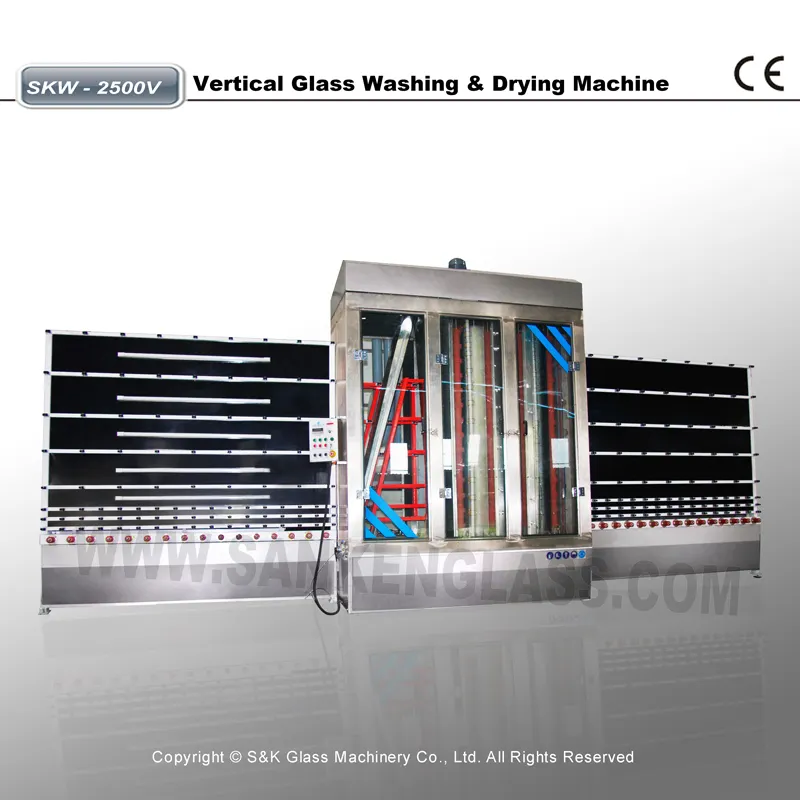
Wash Tank
The wash tank is where the cleaning process begins. It holds the cleaning solution, water, and detergent. The tank can vary in size depending on the capacity of the machine. SANKEN commercial glass washers are known for their high-capacity wash tanks, which can accommodate a large number of glasses at once.
Rinse Arm
The rinse arm is responsible for delivering rinse water to the glasses. It rotates and sprays water to ensure every glass is covered evenly. SANKEN's rinse arm is designed to reach every corner of the glass, providing a thorough rinse.
Drain Pump
The drain pump removes water from the wash tank, ensuring that dirty water is not reused in the cleaning process. SANKEN's drain pumps are efficient and require minimal maintenance, contributing to the overall reliability of the machine.
Other Components
Other components include the water supply system, discharge pump, control panel, and drying system. Each of these components is crucial for the smooth operation of the glass washer.
Step-by-Step Process of SANKEN Glass Washer Operation
Operating a commercial glass washer is a straightforward process, but knowing the step-by-step procedure ensures that the machine runs efficiently. Here's a detailed breakdown of how to operate a SANKEN commercial glass washer:
Loading and Unloading Glasses
Before starting the washing cycle, it's essential to load the glasses properly into the machine.
- Loading Glasses:
- Place glasses evenly in the machine, ensuring they are not stacked too high or too tightly.
Open the lid of the machine and place the glasses flat on the washing grid, leaving enough space between them to allow water to flow freely.
Unloading Glasses:
- After the washing cycle, the glasses will move to the drying section.
- Once the cycle is complete, open the lid and remove the clean glasses gently.
Pre-rinse
The pre-rinse step removes any debris or particles from the glasses before they enter the main washing cycle.
- Starting the Pre-rinse:
- Turn on the machine and set it to the pre-rinse mode.
- The rinse arm will spin, spraying clean water into the glass to remove any loose particles.
Washing Process
The washing process is where the main cleaning action takes place.
- Starting the Washing Cycle:
- Switch the machine to the cleaning mode.
- The machine will automatically dispense the cleaning solution and water.
The wash arm will rotate, delivering the cleaning solution to the glasses.
Cleaning Solution and Detergent:
SANKEN's commercial glass washers are equipped with advanced detergent dispensing systems to ensure the right amount of cleaning solution is used for each batch of glasses.
Water Temperature and Flow:
- Adjust the settings to optimize the water temperature and flow based on the load size and type of glass.
- For best results, the water temperature should be between 60C to 70C, and the flow should be set to the appropriate level for thorough cleaning.
Rinsing Process
After the wash cycle, the glasses move to the rinse section for a thorough rinse.
- Starting the Rinse Process:
- The machine will continue to rotate the rinse arm, delivering clean water to the glasses.
- This step removes any remaining cleaning solution, leaving the glasses clean and ready for the final rinse.
Final Rinse and Drying
The final rinse and drying steps ensure that the glasses are spotlessly clean and ready for use.
- Final Rinse:
- The rinse arm will perform a final rinse, ensuring no residue is left on the glasses.
This step is crucial for removing any soap scum or mineral deposits.
Drying:
- SANKEN's commercial glass washers are equipped with powerful drying systems to quickly dry the glasses.
- The glasses will be ready to use after the drying cycle is complete.
Benefits of Using a SANKEN Commercial Glass Washer
Efficiency and Speed
SANKEN commercial glass washers are designed for efficiency and speed, allowing businesses to clean a large volume of glasses in a short time. This is particularly important during peak times when demand is high.
Quality Cleaning Result
The advanced cleaning systems and precise controls ensure that each glass is cleaned thoroughly. SANKEN's machines deliver high-quality results, ensuring that glasses are clean, free from residue, and ready for use.
Cost-Effective Maintenance
With minimal downtime and efficient cleaning cycles, SANKEN commercial glass washers are cost-effective in the long run. Regular maintenance is easy, with clear guidelines provided for easy upkeep.
User-Friendly Interface
SANKEN's control panels are designed for ease of use, with clear instructions and intuitive controls. Operators can easily set the machine and monitor the washing process without the need for advanced technical knowledge.
Maintenance and Care
Regular maintenance is key to the longevity and efficiency of a commercial glass washer. Here are some tips for maintaining a SANKEN commercial glass washer:
Regular Cleaning and Inspection
Routine cleaning and inspections help identify issues early, preventing larger problems down the line.
- Daily Cleaning:
- Clean the machine after each use to remove any debris or residue.
Check the rinse arm and wash arm for any blockages and clear them regularly.
Weekly Inspection:
- Inspect all components for wear and tear.
- Check the seals and gaskets for any signs of damage.
Replacing Parts and Filters
Regular replacement of certain parts and filters is essential for optimal performance.
- Replacing Filters:
Replace the filters as per the manufacturer's guidelines to ensure clean water and effective cleaning.
Replacing Wash Arm Brushes:
- The wash arm brushes wear out over time and need replacement.
Troubleshooting Common Issues
Knowing how to troubleshoot common issues can save time and maintain uptime.
- Blocked Rinse Arm:
- Use a cleaning brush to remove any blockages in the rinse arm.
Check for any debris that may be clogging the arm.
Imbalanced Cleaning Solution Dispensing:
- Verify that the dispensing mechanism is functioning correctly.
- Ensure that the detergent reservoir is properly filled.
Buying a Commercial Automatic Glass Washing Machine for a Bar
Choosing the right commercial glass washer is a significant investment. Here are some key features to consider when buying a SANKEN commercial glass washing machine:
Features to Consider
- Capacity: Ensure the machine has enough capacity to handle your daily volume of glasses.
- Detergent Dispensing System: Look for a machine with an automatic detergent dispensing system for consistent results.
- Water Filtration System: A filtration system helps remove impurities from the water for better cleaning.
Installation and Setup
Before purchasing, consider the installation process and any setup requirements.
- Installation:
- Ensure the machine can be installed easily and meets any necessary regulatory requirements.
Consider the space available and make sure it fits comfortably without compromising the layout.
Setup:
- Set up the control panel and ensure all components are functioning correctly.
- Follow the manufacturer's guidelines for initial setup and calibration.
Cost Considerations
While the initial investment is important, consider the long-term costs, including maintenance and operational costs.
- Initial Cost:
- Compare prices from different suppliers and ensure you are getting a machine that meets your requirements.
Look for any warranty or support packages offered.
Operational Costs:
- Consider the energy consumption and water usage to estimate ongoing costs.
- Assess the cost of detergent and maintenance components.
Conclusion
If you are considering purchasing a commercial automatic glass washing machine for a bar or restaurant, a SANKEN machine is a smart choice. Its efficiency, quality, and user-friendly design make it a reliable and cost-effective investment. For more information on SANKEN commercial glass washers and their features, visit their official website or contact a SANKEN representative today.
Table of Contents
- 1.1Wash Tank
- 1.2Rinse Arm
- 1.3Drain Pump
- 2.2Pre-rinse
GET IN TOUCH WITH Us
SANKEN Glass Machinery is a Guangzhou-based manufacturer and international supplier of glass-processing machinery and complete production-line solutions.
Useful Links
Products
Contact Us
Contact: Dalia Qiu
Tel: +86 15994813914
Landline: +86-20-82347228
Email: sales@sankenglass.com
WhatsApp: +86 15994813914
ADD: No.2, Xinghai Road, Lanhe, Nansha District, Guangzhou City, China. P.C 511480
Copyright © 2026 Guangzhou Sanken Glass Machinery Co., Ltd.| Sitemap